The Science of Fat Loss Supplements: What Actually Works, What Doesn’t, and Why Most People Fail (2026 Guide)
Learn the real science behind fat loss supplements, metabolism, thermogenesis, appetite control, and why most fat burners fail without proper diet and lifestyle support.
Do Fat Loss Supplements Actually Work?
Fat loss supplements may slightly support metabolism, thermogenesis, appetite control, and energy expenditure, but they do not override calorie balance or replace consistent nutrition and exercise habits. The most effective fat loss supplements work by supporting existing metabolic pathways rather than creating dramatic standalone fat loss.
This is not another “best fat burner” article.
If fat loss supplements worked the way most ads claim, obesity would not be a global problem. Yet every year, millions of people buy capsules promising faster metabolism, effortless fat loss, and stubborn belly fat removal.
Most people see little to no lasting results because they misunderstand how fat loss actually works inside the body and how supplements fit into that process.
This guide explains the real physiology of fat loss, what supplements can realistically do, which ingredients are supported by evidence, and why expectations matter more than marketing claims.
How Fat Loss Actually Works
Fat Loss Is Not the Same as Weight Loss
Most people track progress using only the scale. That can be misleading because body weight can fluctuate daily due to water retention, glycogen storage, sodium intake, digestion, and hormonal changes.
Fat loss is different. It is a slower metabolic process that happens when the body consistently uses more energy than it stores while hormones allow fat tissue to release stored energy.
That distinction matters. Supplements cannot force fat loss if the basic conditions for fat loss are not in place.
The Role of Energy Balance
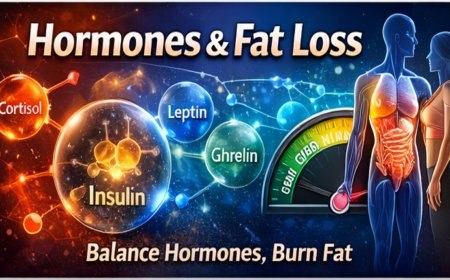
Calories matter, but how your body handles calories depends on several factors, including insulin sensitivity, stress hormones, sleep quality, metabolic adaptation, and physical activity.
This is why two people eating the same number of calories can experience different results. Fat tissue is not just passive storage. It is hormonally active and responds to the body’s broader metabolic environment.
If your lifestyle signals stress, poor recovery, and inconsistent nutrition, supplements are unlikely to create meaningful results on their own.
Why Metabolism Slows During Dieting
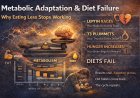
When calorie intake drops for a long period of time, the body may adapt. Thyroid activity may decrease, leptin levels may fall, and daily energy expenditure can decline. This process is commonly called metabolic adaptation.
Metabolic adaptation is not a broken metabolism. It is survival biology. The body becomes more efficient when energy intake is reduced for too long.
This is where many people start looking for supplements to “restart” metabolism. But supplements cannot override biology. They can only support existing metabolic pathways.
Where Fat Loss Supplements Actually Fit
Fat loss supplements usually work in the margins. They may slightly improve conditions for fat loss, but they cannot replace calorie control, resistance training, protein intake, sleep, hydration, and consistency.
The realistic role of supplements is support. They may help improve adherence, energy, appetite control, or thermogenesis, but they are not the foundation of fat loss.
Types of Fat Loss Supplements
1. Thermogenic Formulas
Thermogenic supplements are designed to support heat production, energy expenditure, and fat oxidation. Some formulas use botanical extracts and metabolism-support compounds rather than relying only on heavy stimulants.
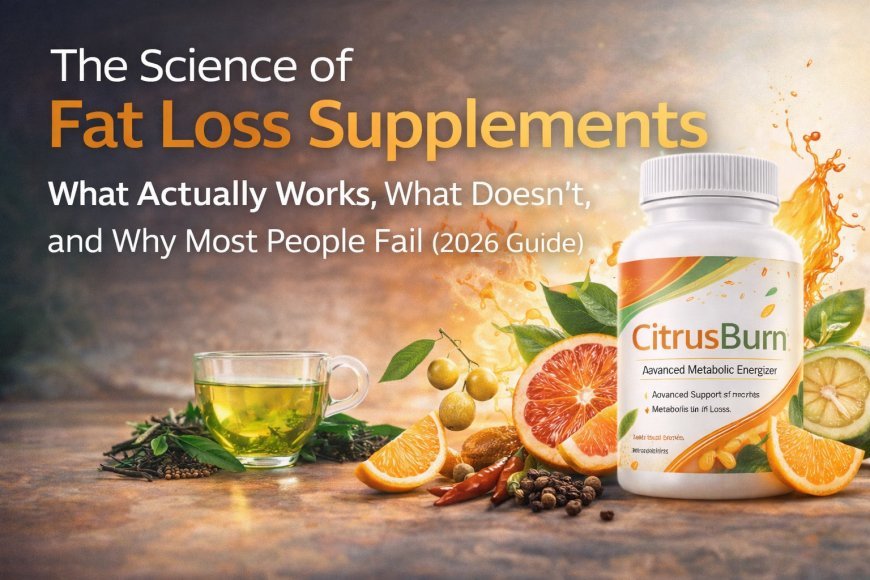
Metabolism-focused formulas such as CitrusBurn are often positioned around thermogenesis and citrus-based metabolism support.
2. Appetite Support Supplements
These supplements focus on satiety, cravings, and blood sugar stability. They do not burn fat directly, but they may help some users stay consistent with a calorie-controlled routine.
3. Carb and Fat Blockers
Carb and fat blockers mostly work through digestion-related mechanisms. Their long-term impact is usually limited, and they are often misunderstood by users expecting dramatic fat loss.
4. Hormonal Support Supplements
Hormonal support supplements may help indirectly in certain situations, but they are not universal fat-loss solutions. They only make sense when the underlying issue is actually related to the pathway they claim to support.
Reality Check: What Supplements Can and Cannot Do
No supplement can bypass calorie balance, replace consistent habits, or guarantee fat loss. What supplements may do is reduce friction, support appetite control, slightly improve energy expenditure, and help some people stay consistent.
That can be useful, but only when expectations are realistic.
Ingredients That May Influence Fat Metabolism
p-Synephrine
p-Synephrine, often found in bitter orange extract, is commonly discussed for its potential role in supporting metabolic rate and fat oxidation. Its effect is generally modest and should not be confused with dramatic fat loss.
Green Tea Extract
Green tea extract, especially EGCG, may support thermogenesis and fat oxidation. Effects are usually small and may depend on caffeine tolerance, dosing, and overall lifestyle.
Caffeine
Caffeine can increase alertness, energy expenditure, and workout performance. However, overuse may disrupt sleep, increase anxiety, raise cortisol in sensitive individuals, and reduce long-term sustainability.
Capsaicin and Capsinoids
Capsaicin compounds from chili peppers may slightly support thermogenesis, fat oxidation, and appetite control. Like most supplement ingredients, the effect is small and works best alongside strong lifestyle habits.
Fiber-Based Appetite Agents
Soluble fibers such as glucomannan may support satiety by slowing digestion and increasing fullness. These ingredients are less exciting from a marketing perspective, but they may help some people improve adherence.
What Research Usually Shows
When fat loss supplements are studied, the average additional effect is usually modest. They may help users lose slightly more weight over several weeks compared with placebo, but they do not create dramatic transformations by themselves.
The best results usually happen when supplements are combined with calorie control, resistance training, sleep regulation, protein intake, and consistent movement.
In simple terms: supplements amplify behavior. They do not replace it.
Why Most People Fail With Fat Burners
Most people fail because they expect acceleration without a foundation. A common pattern looks like this:
- Week 1: Energy improves.
- Week 2: Appetite feels slightly easier to manage.
- Week 3: No dramatic visible change appears.
- Week 4: The user quits.
Fat loss is cumulative. Water retention, digestion, stress, and sleep can mask early progress. A more realistic timeline is several weeks to several months, not a few days.
This is why balanced formulas and realistic expectations matter. Support is useful. Shock tactics rarely last.
Safety, Side Effects, and Who Should Be Careful
Fat burners and stimulant-based supplements may not be appropriate for everyone. People with uncontrolled hypertension, heart conditions, thyroid disorders, severe caffeine sensitivity, pregnancy, or medication concerns should speak with a qualified healthcare professional before using any supplement.
Possible side effects may include jitteriness, sleep disruption, increased heart rate, digestive discomfort, anxiety, or sensitivity to stimulants.
Transparent labeling matters. Proprietary blends can make it harder to understand dosing and risk.
How to Evaluate a Legit Fat Loss Supplement
Before buying a fat loss supplement, ask these questions:
- Are the ingredients clearly listed?
- Are the claims realistic?
- Is the formula stimulant-heavy or balanced?
- Does the product explain how it works?
- Is it positioned as support rather than a miracle?
- Is there a clear refund policy?
If a product promises effortless fat loss without diet, exercise, or consistency, that is a major red flag.
Supplement vs Diet vs Training: What Matters Most?
The order of importance usually looks like this:
- Calorie structure
- Resistance training
- Sleep and stress control
- Protein intake
- Daily movement
- Supplement support
If you reverse that order, you are likely to be disappointed. Supplements belong at the top of the pyramid, not the base.
The Psychological Layer
Supplements may also influence behavior. When someone invests in a supplement, they may become more committed, more consistent, and more aware of their routine.
Some of that may be placebo, but behavior change still matters. If a supplement helps someone stay focused while maintaining realistic expectations, it can have indirect value.
Final Verdict: Are Fat Loss Supplements Worth It?
Fat loss supplements are tools. They are not magic, and they are not automatically scams. Their value depends on the formula, the user’s expectations, and the lifestyle system around them.
If you already have a structured plan, a supplement may provide modest support. If you do not have a plan, the supplement will not fix the problem.
The smartest approach is simple: build the foundation first, then consider supplements as optional support.
Frequently Asked Questions
Do fat loss supplements actually work?
Some fat loss supplements may slightly support metabolism, appetite control, and energy expenditure, but they do not replace calorie balance, exercise, or long-term lifestyle habits.
What is thermogenesis?
Thermogenesis is the process of heat production in the body. Some ingredients may slightly increase energy expenditure through thermogenic pathways.
Why do most fat burners fail?
Most fat burners fail because users expect dramatic results without consistent nutrition, calorie control, sleep, and physical activity.
Can supplements increase metabolism?
Some ingredients may modestly support metabolic activity, but supplements cannot completely override biological adaptation or poor lifestyle habits.
Are stimulant fat burners safe?
Some stimulant-based supplements may increase heart rate, sleep disruption, or caffeine-related side effects in sensitive individuals.