
Frequent Urination in Men: Causes, Solutions, and What to Do
Struggling with frequent urination? Discover common causes, what it means, and practical ways to improve daily comfort and nighttime routines.
Quick Answer
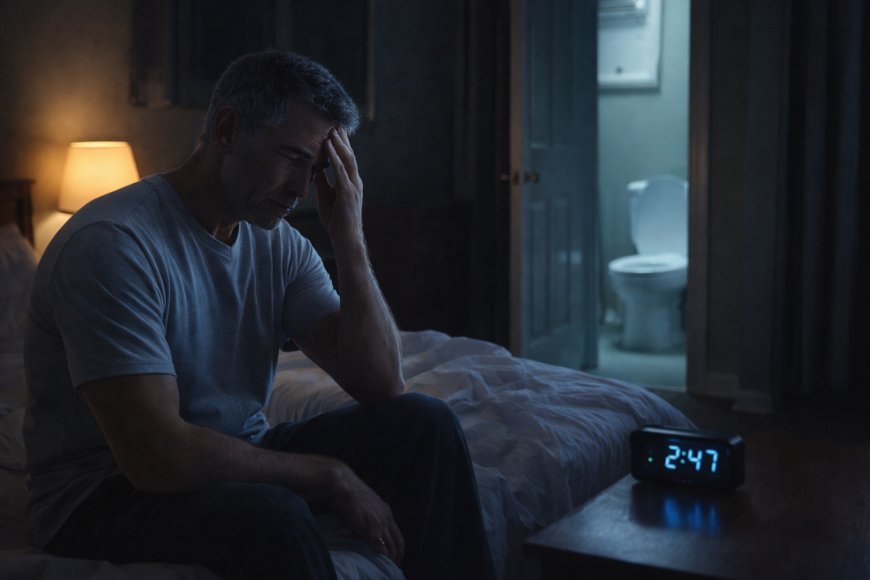
Frequent urination in men means needing to urinate more often than usual, especially when it disrupts sleep, daily routine, or comfort. It may be linked to prostate changes, bladder sensitivity, fluid timing, caffeine, stress, sleep disruption, aging, or other health factors.
Most important: frequent urination is common, but sudden worsening, pain, blood in urine, or major changes should be evaluated by a healthcare professional.
Best first step: track your symptoms, adjust evening fluids, reduce bladder irritants, improve sleep habits, and consider prostate health support when appropriate.
Frequent Urination in Men
Understand the causes, nighttime triggers, prostate connection, and practical steps that may help.
- ✔ Common in men, especially with age
- ✔ Often worse at night
- ✔ May involve prostate, bladder, sleep, and lifestyle factors
- ✔ Usually needs realistic support, not fear or hype
Table of Contents
- What Is Frequent Urination in Men?
- What Is Considered Normal?
- What Causes Frequent Urination in Men?
- Prostate-Related Changes
- Fluid Timing and Intake Habits
- Bladder Sensitivity
- Sleep and Stress Factors
- Why It Feels Worse at Night
- Early Signs You Should Not Ignore
- How to Reduce Frequent Urination Naturally
- How Supplements Fit In
- When to See a Doctor
- FAQ
What Is Frequent Urination in Men?
Frequent urination in men means needing to urinate more often than usual. It becomes more concerning when it disrupts sleep, daily routine, work, travel, or comfort.
For many men, this starts gradually.
- One extra bathroom trip at night
- More urgency during the day
- A weaker or less steady flow
- Feeling like the bladder does not fully empty
At first, it may seem minor. Over time, it can affect sleep, energy, focus, and confidence.
The goal is not to panic. The goal is to understand what may be driving the change.
What Is Considered Normal?
There is no single perfect number for everyone.
What matters most is whether your pattern has changed.
You may want to pay closer attention if:
- You wake up more than once per night to urinate
- You feel urgency more often than before
- Your flow feels weaker or inconsistent
- You plan your day around bathroom access
- Your sleep quality is affected
Frequency alone is not the only issue. Disruption is the real signal.
What Causes Frequent Urination in Men?
Frequent urination in men can be caused by prostate changes, bladder sensitivity, fluid habits, caffeine, alcohol, stress, sleep disruption, aging, or underlying health conditions.
In many cases, several factors overlap.
That is why one simple fix does not work for everyone.
1. Prostate-Related Changes
Prostate changes are one of the most common reasons men begin noticing urinary issues with age.
The prostate sits near the urinary tract. When prostate-related changes affect pressure or flow, symptoms may appear gradually.
Common signs may include:
- Frequent urination
- Nighttime bathroom trips
- Weak urinary flow
- Urgency
- Feeling like the bladder is not fully empty
For a supplement-focused support overview, see the full ProstaVive Review.
2. Fluid Timing and Intake Habits
Fluid timing is often underestimated.
Drinking large amounts late in the evening may increase nighttime urination. Caffeine and alcohol can also irritate the bladder or increase urine production.
Common triggers include:
- Late-night water intake
- Coffee or tea later in the day
- Alcohol in the evening
- High-fluid meals close to bedtime
A useful first step is to track when symptoms happen and what you drank beforehand.
3. Bladder Sensitivity
Sometimes the bladder becomes more reactive.
This can make you feel urgency sooner, even when the bladder is not completely full.
Possible signs include:
- Sudden urgency
- Frequent small-volume urination
- Feeling unable to wait
- More sensitivity after caffeine or stress
This does not always mean something serious, but it does deserve attention if it becomes persistent.
4. Sleep and Stress Factors
Sleep and stress can influence urinary patterns more than many men realize.
Poor sleep may increase awareness of discomfort. Stress can make the nervous system more reactive. Both can make nighttime urination feel worse.
If sleep disruption is part of the problem, this guide may help: Sleep and Weight Loss Guide.
Why Frequent Urination Feels Worse at Night
Nighttime urination is often called nocturia.
It may feel worse because sleep is interrupted. Even one or two wake-ups can affect next-day energy, mood, focus, and productivity.
Nighttime symptoms may be influenced by:
- Evening fluid intake
- Fluid redistribution when lying down
- Bladder sensitivity
- Prostate-related pressure
- Poor sleep quality
- Stress or anxiety
This is why the solution is often multi-step.
Explore a Prostate Support Approach
See how ProstaVive is structured for prostate comfort, urinary support, and male wellness.
Early Signs You Should Not Ignore
Many men ignore symptoms for too long because the changes often happen gradually.
While occasional urinary changes are common, certain patterns deserve closer attention.
- Waking up multiple times every night
- Sudden urgency without warning
- A weak or interrupted urinary stream
- Difficulty starting urination
- Feeling like the bladder never fully empties
- Increasing disruption to sleep and daily life
These symptoms are not necessarily emergencies, but they should not be ignored.
Risk Factors That May Increase Frequent Urination
Several factors may increase the likelihood of urinary symptoms.
- Increasing age
- Prostate enlargement
- Excess weight
- Poor sleep quality
- High caffeine intake
- Alcohol consumption
- Stress and anxiety
- Sedentary lifestyle
- Certain medications
- Underlying medical conditions
Often, more than one factor is involved.
Can Frequent Urination Improve?
Yes, in many cases symptoms may improve with lifestyle adjustments and proper support.
Improvement depends on the underlying cause.
Some men experience noticeable changes after addressing:
- Sleep quality
- Hydration timing
- Stress levels
- Weight management
- Physical activity
- Prostate support strategies
Results vary, and perfection should not be expected.
How to Reduce Frequent Urination Naturally
There is rarely a single solution.
Instead, small improvements in several areas often create the best results.
1. Adjust Hydration Timing
Staying hydrated is important, but timing matters.
- Drink fluids consistently throughout the day.
- Avoid excessive intake close to bedtime.
- Pay attention to beverages that seem to trigger symptoms.
2. Reduce Caffeine and Alcohol
Both caffeine and alcohol may increase urinary frequency in some individuals.
Reducing evening consumption may help improve nighttime comfort.
3. Improve Sleep Quality
Sleep and urinary symptoms are closely connected.
Poor sleep often makes nighttime disruptions feel worse.
Improving sleep habits may help support better overall comfort.
See: Sleep and Weight Loss Guide
4. Stay Physically Active
Regular movement supports overall health and healthy aging.
Even moderate activity may contribute to better daily function.
5. Maintain a Healthy Weight
Excess weight may increase pressure on the bladder and affect urinary symptoms.
Small improvements in weight management may provide additional benefits.
How Prostate Support Supplements Fit Into the Picture
Many men eventually explore prostate support supplements.
However, supplements should be understood correctly.
They are not:
- Instant solutions
- Guaranteed cures
- Replacements for medical care
They are better viewed as support tools designed to complement healthy habits.
For example, some formulas aim to support:
- Urinary comfort
- Prostate wellness
- Daily routine stability
- Male vitality
To learn more, see:
Results vary. Consistency matters.
Explore a Long-Term Support Approach
Learn how prostate support formulas are designed for gradual support.
When Should You See a Doctor?
Frequent urination is common, especially with age, but certain symptoms deserve medical evaluation.
Seek professional guidance if you experience:
- Blood in the urine
- Pain or burning during urination
- Sudden worsening of symptoms
- Difficulty starting urination
- Inability to empty the bladder
- Severe pelvic discomfort
- Fever or chills
- Significant sleep disruption
- Major changes in urinary habits
These symptoms should never be ignored.
For general information, see: Medical Disclaimer
Prevention Tips for Better Urinary Health
While not every cause can be prevented, healthy habits may help support long-term urinary comfort.
- Stay physically active.
- Maintain a healthy weight.
- Reduce excessive caffeine intake.
- Limit alcohol consumption.
- Prioritize sleep quality.
- Manage stress levels.
- Spread fluid intake throughout the day.
- Pay attention to symptom patterns.
- Seek professional advice when symptoms change.
Small daily habits often have a greater impact than dramatic changes.
Final Thoughts
Frequent urination in men is common, but that does not mean it should be ignored.
For many men, symptoms develop gradually and may involve several overlapping factors.
The good news is that practical lifestyle changes and appropriate support strategies may help improve comfort and quality of life.
The key is realistic expectations.
There is no magic fix.
But small improvements over time can make a meaningful difference.
Results vary. Consistency matters.
Related Guides
- ProstaVive Review
- ProstaVive Ingredients
- ProstaVive Side Effects
- ProstaVive Results
- Sleep and Weight Loss Guide
- How We Review Products
Frequently Asked Questions
What causes frequent urination in men?
Common causes include prostate changes, bladder sensitivity, fluid habits, stress, aging, and sleep disruption.
Is frequent urination normal with age?
It becomes more common with age, but major changes should still be evaluated.
Why is frequent urination worse at night?
Fluid redistribution, sleep cycles, and prostate-related factors may make symptoms more noticeable at night.
What is nocturia?
Nocturia refers to waking up during the night to urinate.
Can stress increase urinary frequency?
Yes. Stress and anxiety may increase sensitivity and make symptoms feel worse.
Can improving sleep help?
Better sleep quality may improve overall comfort and reduce the impact of nighttime interruptions.
Can caffeine make symptoms worse?
For some individuals, caffeine may increase urgency and frequency.
Do prostate supplements cure frequent urination?
No. Supplements are support tools and should not replace medical care.
Can symptoms improve naturally?
Many men notice improvements through lifestyle adjustments and long-term support strategies.
When should I see a doctor?
Persistent symptoms, pain, blood in urine, or sudden worsening should be evaluated by a healthcare professional.