Fat Loss Plateau Explained: Why Weight Loss Stops & How to Break It
A fat loss plateau is not random. Learn the real causes of weight loss stalls, from metabolic adaptation to reduced NEAT, and how to break a plateau without damaging your metabolism.
What Causes a Fat Loss Plateau?
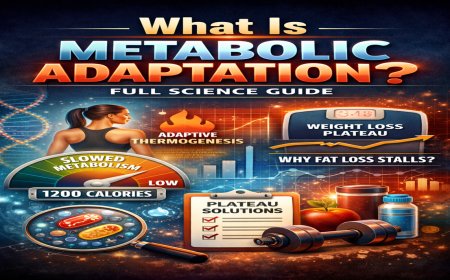
A fat loss plateau usually happens because the body adapts to prolonged calorie restriction by reducing energy expenditure, lowering spontaneous movement, increasing hunger signaling, and improving energy efficiency. This process is commonly known as metabolic adaptation.
Why Fat Loss Plateaus Happen (And How to Break Them Without Damaging Your Metabolism)
You were losing weight.
The scale was dropping. Your clothes were fitting better. Motivation was high.
Then progress stopped.
If you're unsure why fat loss works the way it does, start with our complete fat loss guide to understand the fundamentals.
You are still dieting. Still training. Still trying.
But nothing moves.
This is the point where most people panic and cut calories even harder.
That reaction is usually the mistake.
A fat loss plateau is not random. It is physiological feedback from your body adapting to the conditions you created during dieting.
Need a more structured fat loss strategy?
Explore our evidence-based fat loss resources for practical guidance on calories, metabolism, recovery, and long-term adherence.
If your fat loss has completely stalled, you may be making hidden mistakes. See this guide on why you're not losing fat for a full breakdown.
What Is a Fat Loss Plateau?
A fat loss plateau is usually a period of 2 to 3 weeks or longer where:
Many people experience a plateau without understanding the root cause. This breakdown covers the common fat loss mistakes explained in simple terms.
- body weight does not decrease
- body measurements stay the same
- visual fat loss progress appears to stall
However, not every stall is a true plateau.
Short-term scale stagnation can happen because of:
- water retention
- glycogen fluctuations
- sodium intake changes
- menstrual cycle shifts
- training-related inflammation
A real plateau happens when your body adapts enough that your previous calorie deficit no longer produces meaningful fat loss.
The 5 Main Causes of a Fat Loss Plateau
1. Metabolic Adaptation
As body weight drops, energy expenditure usually drops too.
This is part of metabolic adaptation.
Your resting metabolic rate decreases, hunger often increases, and daily movement can gradually decline without you noticing.
To understand this deeper, read metabolic adaptation explained and our metabolism optimization guide.
2. Reduced NEAT (Non-Exercise Activity Thermogenesis)
When calories go down, spontaneous movement often goes down too.
- you sit more
- you fidget less
- you walk less during the day
This drop in daily movement can reduce calorie expenditure significantly without changing your workouts.
3. Muscle Loss During Dieting
If protein intake is too low or resistance training is not maintained, dieting can lead to lean mass loss.
This is why preserving muscle should always be part of a fat loss plan.
Read how to lose fat without losing muscle and optimal protein intake guide.
4. Calorie Tracking Drift
Over time, food tracking becomes less accurate.
Before blaming metabolism, check your intake using this calorie guide.
You can also revisit our science-based weight loss guide.
5. Water Retention Masking Real Fat Loss
Stress, poor sleep, and inflammation can hide real fat loss progress.
See how sleep affects fat loss.
How to Diagnose a Fat Loss Plateau
Before making changes, check:
- Has weight stalled for 2–3 weeks?
- Are steps consistent?
- Is protein intake sufficient?
- Are workouts still strong?
- Is sleep optimized?
How to Break a Fat Loss Plateau
Increase Daily Movement
Adding steps is often enough to restart fat loss.
Audit Your Food Intake
Track accurately for one full week.
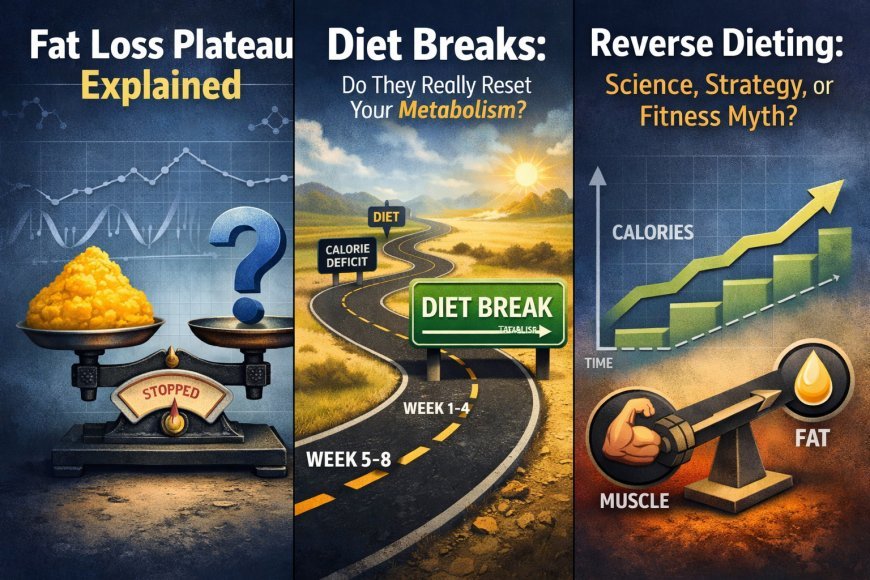
Use a Strategic Diet Break
Learn more in learn how diet breaks help reset metabolism and do diet breaks reset metabolism.
Make Small Calorie Adjustments
Reduce calories slightly if needed.
Protect Training Quality
If needed, see reverse dieting explained
How Long Does a Fat Loss Plateau Last?
Some plateaus are temporary and related to water retention or stress, while others reflect genuine metabolic adaptation. The duration varies depending on recovery, calorie intake, activity levels, and adherence.
In many cases, aggressive restriction worsens fatigue and adherence rather than improving long-term fat loss outcomes.
.
Supplements That May Help During Plateaus
Some supplements may support metabolism and fat loss when used correctly.
See our full breakdown: best fat burning supplements.
Popular options include:
What Not to Do During a Plateau
- slash calories aggressively
- increase cardio excessively
- panic and change everything
Does Starvation Mode Completely Stop Fat Loss?
The body can significantly reduce energy expenditure during prolonged dieting, but fat loss does not completely stop during a sustained energy deficit.
However, metabolic adaptation, reduced NEAT, increased hunger, and adherence fatigue can make continued progress much slower over time.
Final Takeaway
A fat loss plateau is not failure. It is feedback.
The most common causes include metabolic adaptation, reduced movement, tracking drift, and water retention.
Fix the fundamentals first, then make small adjustments.
For a complete system, explore our top fat loss programs.
Frequently Asked Questions
What causes a fat loss plateau?
A fat loss plateau usually happens because the body adapts to prolonged calorie restriction by reducing energy expenditure, lowering spontaneous movement, and increasing hunger signaling.
What is adaptive thermogenesis?
Adaptive thermogenesis refers to the body's reduction in energy expenditure during prolonged calorie restriction.
Does starvation mode completely stop fat loss?
No. Fat loss does not completely stop during a sustained energy deficit, but metabolic adaptation can make progress much slower.
How long does a fat loss plateau last?
Some plateaus last only a few days because of water retention, while others may persist for weeks due to metabolic adaptation and reduced activity levels.
Should calories always be lowered during a plateau?
Not always. Increasing activity, improving adherence, or using maintenance phases may sometimes work better than aggressive calorie reduction.
Can diet breaks help during plateaus?
Diet breaks may help improve recovery, adherence, and psychological fatigue during prolonged dieting phases.
Why does NEAT decrease during dieting?
The body often reduces spontaneous movement and daily activity during calorie restriction to conserve energy.
Why is muscle retention important during fat loss?
Preserving lean mass helps support metabolism, performance, recovery, and long-term body composition outcomes.