Reverse Dieting Explained: Does It Really Boost Metabolism?
Is reverse dieting a proven metabolic recovery strategy or a fitness industry myth? Discover what science actually says about increasing calories after dieting.
Finish a diet. Lose weight. Calories are low. Energy is low. Then someone says:
“Reverse diet slowly and you’ll rebuild your metabolism without gaining fat.”
It sounds ideal. But here is the uncomfortable question: if metabolism adapts downward during dieting, why would it suddenly adapt upward without any meaningful change in body weight, energy balance, or tissue restoration?
That is where a lot of reverse dieting advice becomes vague. To understand whether reverse dieting really works, you need to separate physiological reality from appealing marketing language.
Need a more structured post-diet strategy?
Explore our science-based weight loss resources for practical guidance on fat loss, maintenance, recovery, and long-term adherence.
Reverse dieting may help restore energy expenditure after prolonged dieting by gradually increasing calorie intake, improving training performance, recovering NEAT, and reducing post-diet fatigue. However, current evidence does not support the idea that reverse dieting creates a unique metabolic advantage beyond normal recovery from a calorie deficit.
Reverse dieting is the gradual increase of calories after a dieting phase, usually by around 50 to 150 calories per week.
The usual goals are to:
Reverse dieting is especially popular in bodybuilding, physique, and contest-prep communities, where people often finish a very aggressive cut and want a structured way to increase intake.
But popularity is not the same as evidence.
The logic usually sounds simple:
The appeal is obvious. It sounds like a metabolic loophole.
The problem is that metabolism is not a separate engine operating outside the rules of energy balance. It reflects body size, lean mass, food intake, spontaneous movement, training output, and hormonal state.
That means if calorie intake rises above true maintenance, fat gain can still occur. It may happen more slowly and more controllably, but there is no special escape route from energy balance.
After a prolonged calorie deficit, the body is usually not in a neutral state. It is in an energy-conserving, defended state shaped by metabolic adaptation.
Common post-diet changes include:
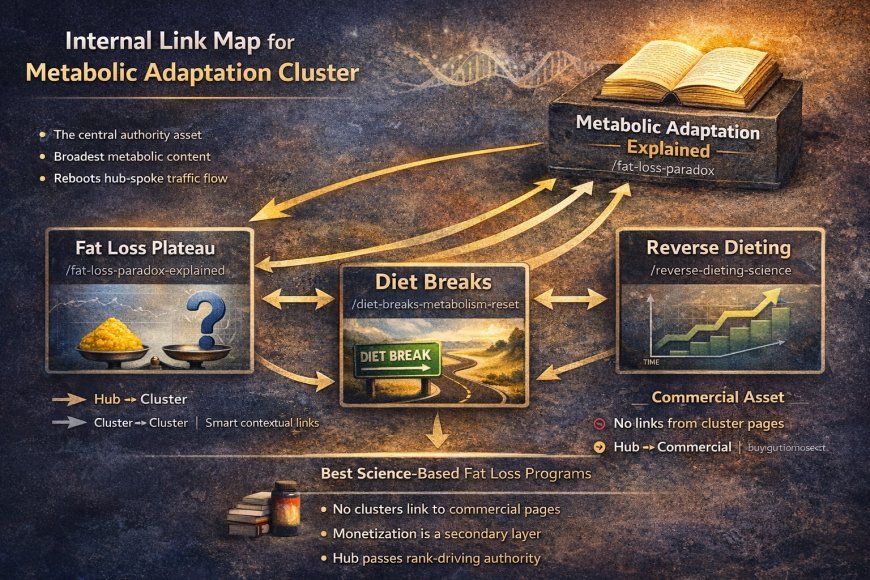
For a deeper explanation of why energy expenditure falls during dieting, read our metabolic adaptation guide. If you want to understand how temporary maintenance phases compare, see our diet break strategy guide.
If you jump straight from a hard diet into a large surplus, fat regain is often rapid. If you increase calories gradually, regain may be slower and easier to control. That distinction matters.
Slower regain is not the same thing as “metabolic repair.” In many cases it simply reflects a more structured transition.
Here is the honest answer: energy expenditure often rises when calories rise.
But that usually happens because:
That is not a unique reverse-dieting effect. It is what normally happens when the body moves away from a sustained energy deficit and back toward energy balance.
In other words, metabolism after dieting may improve when calorie intake normalizes, but there is still limited evidence that reverse dieting creates a special metabolic advantage beyond what an appropriately managed maintenance phase could also provide.
That is the difference between evidence-based interpretation and marketing language.
Reverse dieting can still be useful in the right context.
It may be most appropriate when:
In these situations, reverse dieting can reduce panic, improve adherence, and create a more controlled post-diet transition.
That benefit is real. But it is usually a behavioral and structural advantage, not metabolic magic.
After a diet, there are usually two broad strategies:
If maintenance is estimated well and intake is tracked honestly, both strategies can work.
The main benefit of a reverse diet after weight loss is that it reduces the psychological shock of suddenly eating much more. It creates weekly structure, gives the person a defined plan, and may reduce the tendency to overcorrect after a hard dieting phase.
For many people, that structure is the real value.
The biggest danger after a fat-loss phase is often not a “damaged metabolism.” It is appetite overshoot and loss of control.
After dieting:
This is why many people regain fat quickly after a hard cut. Reverse dieting can help because it acts as a controlled bridge between strict dieting and normal eating.
But without tracking, awareness, and discipline, even a reverse diet can turn into disguised overeating.
After prolonged calorie restriction, hunger signaling often increases while satiety decreases. This effect is sometimes called appetite overshoot and may contribute to rapid fat regain after aggressive dieting phases.
This is one reason structured recovery strategies may help improve long-term adherence after fat loss.
Some people claim reverse dieting allows you to build muscle without gaining fat. That claim is oversimplified.
If calories rise into a true surplus, some fat gain is still possible. The process may simply be controlled better. Reverse dieting does not eliminate the normal rules of body composition.
What it may do is transition someone from a depleted state into a better training state, where recovery, performance, and compliance improve. That can create a better environment for muscle retention and future body recomposition.
Reverse dieting is not always the best next step.
It may be unnecessary when:
In these cases, reverse dieting can interrupt fat-loss progress without offering a major advantage.
Sometimes a structured diet break is more appropriate. Other times, continuing the cut more intelligently is the better option. If you are currently stalled, our fat loss plateau guide explains why progress stops and how to manage it more effectively.
This is where reverse dieting has one of its strongest practical arguments.
It creates:
That structure can reduce all-or-nothing behavior.
And in real life, long-term body composition is often shaped more by repeatable behavior than by dramatic short-term physiology hacks.
So even when reverse dieting is not metabolically superior, it may still be behaviorally useful.
Current evidence broadly supports the following:
There is still limited high-quality evidence proving that reverse dieting is a uniquely superior metabolic strategy compared with returning to an accurately calculated maintenance intake.
That does not mean reverse dieting is useless. It means its value is practical and structural, not magical.
If you choose to use reverse dieting, use it with structure:
Do not:
The goal is a controlled transition, not a fantasy recovery phase where physiology suddenly stops following normal rules.
No. Metabolism usually rises as calorie intake, movement, and energy availability normalize. That is not the same as a permanent special effect from reverse dieting itself.
Usually until estimated maintenance is reached. For many people this may take around 4 to 8 weeks, depending on how low calories were at the end of the diet.
Some fat gain is possible, especially if calorie increases overshoot true maintenance. A controlled reverse diet may simply help reduce the speed of regain.
They serve different purposes. A diet break pauses fat loss during a deficit. Reverse dieting is typically used to transition out of a deficit after dieting ends.
Reverse dieting may help restore normal energy expenditure after prolonged calorie restriction, but it does not permanently repair or supercharge metabolism.
Not completely. Reverse dieting may help slow regain by creating structure and improving adherence, but energy balance still determines long-term body composition.
Reverse dieting is not a myth, but it is often misunderstood.
It does not “hack” metabolism. What it can do is provide structure during one of the most vulnerable phases of body composition change: the period immediately after a hard diet.
Used intelligently, reverse dieting may reduce rebound and improve control. Used emotionally, it can simply delay progress or turn into a slow overeat.
Understanding that difference is what separates strategy from superstition.
For a broader view of sustainable fat-loss planning, you can also read our science-based weight loss guide and our complete fat loss guide.
Want a smarter post-diet plan?
Browse our science-based fat loss resources for practical strategies that support recovery, maintenance, and long-term results.
Does Reverse Dieting Really Boost Metabolism?
What Is Reverse Dieting?
Why People Believe in Reverse Dieting
What Actually Happens After a Diet
Does Reverse Dieting Increase Metabolism?
Where Reverse Dieting Actually Makes Sense
Reverse Dieting vs. Jumping to Maintenance
The Real Risk After a Diet
What Is Appetite Overshoot?
Reverse Dieting and Muscle Gain
When Reverse Dieting Is a Waste of Time
The Psychological Advantage of Reverse Dieting
What Science Actually Supports
How to Implement Reverse Dieting Correctly
Frequently Asked Questions
Does reverse dieting permanently increase metabolism?
How long should reverse dieting last?
Will I gain fat while reverse dieting?
Is reverse dieting better than a diet break?
Can reverse dieting fix a damaged metabolism?
Does reverse dieting prevent fat regain?
Final Takeaway
Related Reading