Do Diet Breaks Help Fat Loss? The Science of Metabolic Recovery
Can diet breaks reverse metabolic slowdown? Discover what research says about metabolic adaptation, leptin recovery, and fat loss sustainability.
Does Reverse Dieting Actually Repair Metabolism?
Reverse dieting may help normalize energy expenditure after prolonged calorie restriction by gradually increasing calorie intake, improving recovery, restoring NEAT, and reducing post-diet fatigue. However, current evidence does not support the idea that reverse dieting creates a unique metabolic advantage beyond recovery from dieting.
Finish a diet. Lose weight. Calories are low. Energy is low. Then someone says:
“Reverse diet slowly and you’ll rebuild your metabolism without gaining fat.”
Before diving deeper, make sure you understand the full fat loss process in our complete fat loss guide.
It sounds ideal. But here is the uncomfortable question: if metabolism adapts downward during dieting, why would it suddenly adapt upward without any meaningful change in body weight, energy balance, or tissue restoration?
Need a more structured post-diet strategy?
Explore our science-based weight loss resources for practical guidance on fat loss, maintenance, recovery, and long-term adherence.
What Is Reverse Dieting?
Reverse dieting is the gradual increase of calories after a dieting phase.
This is often used after hitting a fat loss plateau, where progress slows despite consistent effort.
- restore metabolic rate after dieting
- increase calorie intake back toward maintenance
- reduce fat regain risk
- create smoother transition
Why People Believe in Reverse Dieting
The logic sounds simple, but fat loss physiology is more complex.
What Actually Happens After a Diet
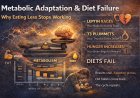
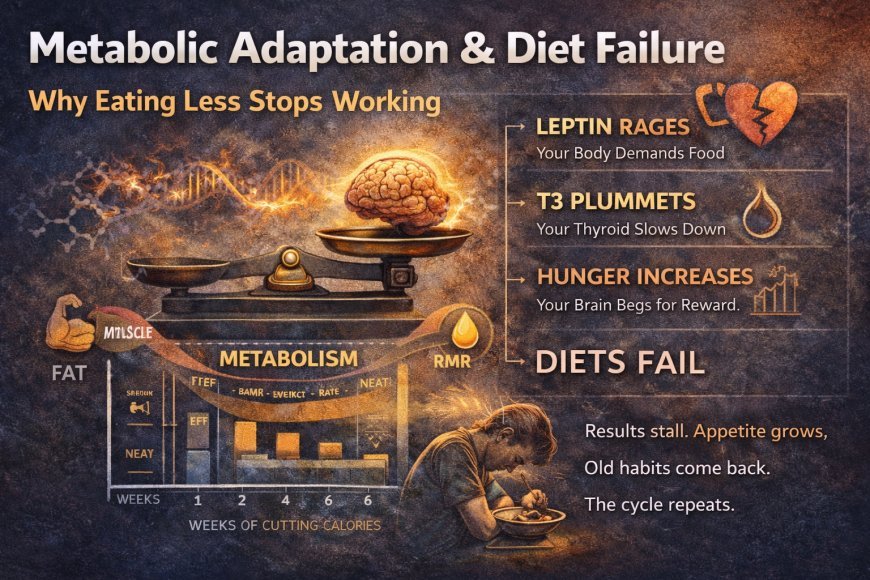
After a prolonged deficit, the body enters a state of metabolic adaptation.
Learn more in our metabolic adaptation guide and how plateaus develop in this breakdown.
- lower leptin
- reduced thyroid output
- suppressed NEAT
- higher hunger
- lower energy
Does Reverse Dieting Increase Metabolism?
Energy expenditure increases when calories increase — but this is normal physiology, not a shortcut.
If you want to understand sustainable fat loss instead, see fat loss nutrition strategies.
Where Reverse Dieting Makes Sense
- very aggressive dieting
- low calories
- high rebound risk
- poor appetite control
Reverse Dieting vs Maintenance
Both approaches can work.
Sometimes a better option is a structured diet break strategy.
The Real Risk After a Diet
- high hunger
- low control
- fatigue
This is why many people regain weight quickly.
Why Hunger Often Increases After Dieting
After prolonged calorie restriction, appetite signaling often increases while satiety decreases. This response may contribute to rebound eating and rapid weight regain after aggressive fat loss phases.
This is one reason structured recovery strategies such as maintenance phases or reverse dieting may improve long-term adherence.
How to Implement Reverse Dieting
- +50–100 kcal per week
- keep protein high
- maintain training
- track weight
- stop at maintenance
Avoid:
- blind increases
- overeating
- expecting metabolic shortcuts
Supplements That May Support Recovery
Some supplements may support metabolism and gut health after dieting.
See our full guide here: best fat burning supplements.
Popular options include:
Frequently Asked Questions
Does reverse dieting permanently boost metabolism?
No. Reverse dieting may help normalize energy expenditure after dieting, but it does not permanently increase metabolism beyond normal physiological recovery.
Can reverse dieting prevent fat regain?
Not completely. Reverse dieting may help improve structure and appetite control, but long-term energy balance still determines body composition outcomes.
How long should reverse dieting last?
Many reverse dieting phases last between 4 and 8 weeks depending on recovery needs, activity levels, and dieting history.
What is metabolic adaptation?
Metabolic adaptation refers to the reduction in energy expenditure that occurs during prolonged calorie restriction.
Will increasing calories immediately restore metabolism?
Some recovery in energy expenditure may occur as calorie intake increases, but metabolism does not instantly rebound overnight.
What is appetite overshoot?
Appetite overshoot describes the increase in hunger and food focus that may occur after aggressive dieting phases.
Is reverse dieting better than maintenance calories?
Both approaches can work depending on adherence, appetite control, training goals, and psychological recovery needs.
Can reverse dieting improve gym performance?
Increasing calories after dieting may improve recovery, training quality, energy levels, and overall performance capacity.