Nutrition for Fat Loss: Complete Guide to Eating for Sustainable Fat Burning
Learn how nutrition affects fat loss, metabolism, appetite control, protein intake, meal timing, and sustainable calorie management for long-term healthy results.
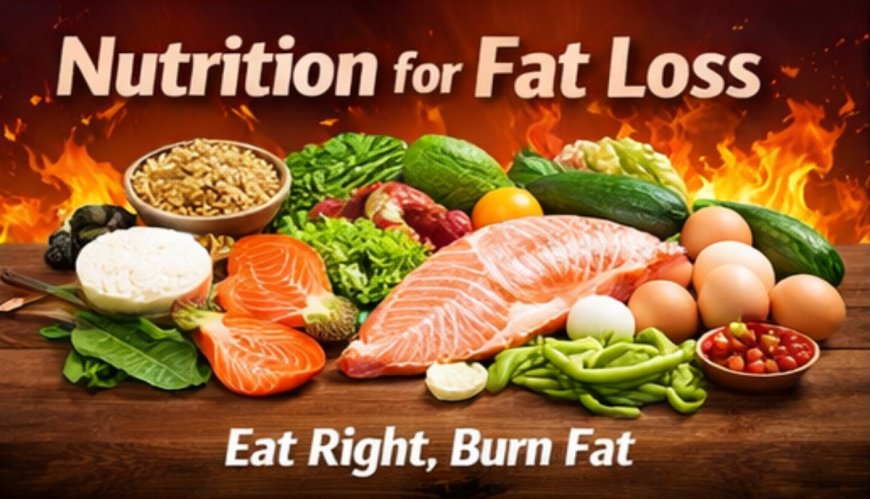
Nutrition plays one of the most important roles in successful fat loss and long-term body composition improvement. While exercise and physical activity support calorie expenditure, nutrition largely determines appetite control, energy balance, recovery, hormone regulation, and sustainable fat-burning progress.
Many people struggle with fat loss because they focus on extreme diets, rapid weight loss, or highly restrictive eating plans that are difficult to maintain long term.
This science-based nutrition guide explains how fat loss nutrition actually works, including calorie deficits, protein intake, meal quality, fiber, metabolism, appetite regulation, and sustainable eating strategies that support long-term results.
The goal of effective fat loss nutrition is not simply eating less food. Sustainable strategies should also support metabolic health, muscle preservation, recovery, energy levels, and long-term adherence.
Why Nutrition Is Critical for Fat Loss
Fat loss occurs when the body consistently uses more energy than it receives from food over time. This process is primarily driven by maintaining a sustainable calorie deficit.
While exercise increases calorie expenditure, nutrition has the greatest influence on:
- calorie intake
- appetite regulation
- satiety
- energy balance
- metabolic health
- long-term dietary adherence
This is one reason nutrition plays such a major role in sustainable fat loss and body composition improvement.
Many people believe they can “out-exercise” poor nutrition habits, but excessive calorie intake can quickly offset calories burned during exercise.
Nutrition Influences Hunger and Cravings
Food quality strongly affects hunger levels, cravings, fullness, and overall calorie control.
Highly processed foods are often calorie-dense while providing relatively low satiety. These foods may increase overeating and make long-term fat loss more difficult.
In contrast, nutrient-dense whole foods often improve fullness and appetite regulation while supporting better energy levels and recovery.
Nutrition Supports Metabolic Health
Balanced nutrition also supports several important aspects of metabolic health, including:
- blood sugar regulation
- insulin sensitivity
- energy regulation
- hormone balance
- muscle preservation
Sustainable fat loss nutrition should not focus only on reducing calories. It should also support overall health, recovery, and long-term consistency.
To understand the science behind long-term weight management, read our Science-Based Weight Loss Guide.
Calorie Deficit Diet Explained
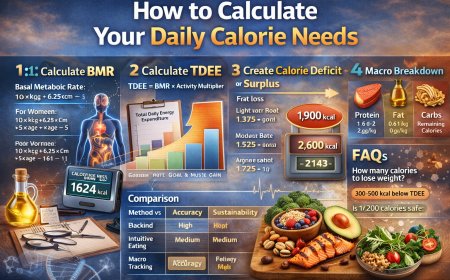
A calorie deficit occurs when your body burns more calories than it consumes over time. This energy imbalance is the primary biological requirement for fat loss.
When calorie intake remains lower than energy expenditure, the body begins using stored energy sources — primarily body fat — to help meet its energy needs.
However, creating the largest possible calorie deficit is not always the best strategy.
Extremely aggressive dieting may increase:
- fatigue
- muscle loss
- stronger cravings
- reduced workout performance
- metabolic adaptation
- difficulty maintaining results
This is why sustainable fat loss strategies typically focus on moderate calorie restriction rather than extreme short-term dieting.
What Is a Moderate Calorie Deficit?
For many people, a moderate calorie deficit is often approximately:
This level of restriction is often easier to maintain long term while supporting:
- muscle preservation
- energy levels
- workout recovery
- appetite control
- metabolic health
Nutrition Quality Matters
Even during a calorie deficit, food quality remains extremely important.
Protein-rich foods, fiber-rich meals, and nutrient-dense whole foods often improve satiety and help make calorie control more sustainable.
In contrast, highly processed foods may increase hunger and make adherence more difficult despite fitting within calorie targets.
Sustainable Fat Loss Requires Consistency
Fat loss results are usually determined more by long-term consistency than short periods of extreme restriction.
The most effective calorie deficit is often the one that supports sustainable eating habits, recovery, muscle preservation, and realistic long-term adherence.
To understand how metabolism affects calorie expenditure, read our Metabolism Optimization Guide.
Best Foods for Fat Loss
No single food automatically “burns fat,” but certain foods may strongly support appetite control, satiety, calorie management, metabolic health, and long-term fat loss adherence.
The best fat loss foods are usually nutrient-dense, filling, and supportive of sustainable calorie control.
Lean Protein Sources
Protein-rich foods are among the most effective foods for fat loss because they help support:
- satiety and fullness
- muscle preservation
- reduced cravings
- workout recovery
- thermic effect of food
Examples include:
- chicken breast
- fish
- eggs
- Greek yogurt
- lean turkey
- legumes
Higher protein intake is consistently associated with improved body composition and better long-term fat loss adherence.
Fiber-Rich Whole Foods
Fiber-rich foods may improve fullness and slow digestion, which can help reduce overeating and support healthier appetite regulation.
Examples include:
- vegetables
- berries
- beans and legumes
- oats
- whole grains
- fruits
These foods also support digestive health, blood sugar stability, and long-term calorie control.
Healthy Fats
Healthy fats support hormone balance, satiety, and overall nutritional quality.
Examples include:
- olive oil
- avocados
- nuts
- seeds
- fatty fish
Although healthy fats are nutritious, portion control still matters because fats are calorie-dense.
Limit Highly Processed Foods
Highly processed foods are often easier to overconsume because they tend to be calorie-dense while providing relatively low satiety.
Examples include:
- sugary drinks
- fast food
- packaged desserts
- ultra-processed snack foods
Replacing highly processed foods with more whole-food-based meals often supports healthier long-term fat loss and appetite control.
Focus on Overall Eating Patterns
Successful fat loss nutrition is usually determined more by long-term eating patterns than by individual “superfoods.”
Sustainable nutrition strategies that support satiety, metabolic health, recovery, and calorie control are generally more effective than highly restrictive fad diets.
Lean Protein Sources
Protein is one of the most important nutrients for successful fat loss, appetite control, and long-term body composition improvement.
Higher protein intake may help support:
- reduced hunger and cravings
- satiety and fullness
- muscle preservation during calorie restriction
- exercise recovery
- metabolic support
Protein-rich meals are often more filling than highly processed low-protein meals, which may help make calorie control more sustainable.
Why Protein Matters During Fat Loss
During a calorie deficit, the body may lose both body fat and lean muscle tissue if protein intake is too low.
Maintaining adequate protein intake while resistance training may help preserve lean muscle mass during fat loss.
This is important because muscle tissue supports:
- metabolic health
- daily energy expenditure
- physical performance
- long-term body composition
Thermic Effect of Protein
Protein also has a higher thermic effect of food compared to carbohydrates and fats.
This means the body uses slightly more energy to digest and process protein-containing foods.
Examples of lean protein sources include:
- chicken breast
- fish
- eggs
- Greek yogurt
- lean turkey
- low-fat dairy products
- legumes
Higher protein diets are consistently associated with better appetite control, muscle preservation, and sustainable fat loss outcomes.
Fiber-Rich Foods
Fiber-rich foods are highly beneficial for fat loss because they help improve fullness, appetite regulation, digestion, and long-term calorie control.
Many high-fiber foods are lower in calorie density while providing greater satiety, which may help reduce overeating during a calorie deficit.
How Fiber Supports Fat Loss
Dietary fiber slows digestion and may help stabilize hunger levels throughout the day.
Higher fiber intake may support:
- improved satiety and fullness
- better appetite control
- healthier digestion
- blood sugar stability
- reduced cravings
This is one reason high-fiber diets are often associated with better long-term weight management and healthier eating patterns.
Best High-Fiber Foods
Examples of nutrient-dense high-fiber foods include:
- vegetables
- beans and legumes
- oats
- whole grains
- berries
- fruits
- chia seeds and flaxseeds
These foods also provide important vitamins, minerals, antioxidants, and digestive support.
Fiber and Gut Health
Fiber also plays an important role in gut health and metabolic function.
Emerging research suggests gut microbiome health may influence:
- appetite regulation
- metabolism
- energy balance
- body composition
Balanced high-fiber nutrition patterns may therefore support both digestive health and sustainable fat loss.
Protein for Fat Loss
Protein intake is one of the strongest nutritional predictors of successful fat loss and long-term body composition improvement.
Higher protein diets may support:
- muscle preservation during calorie restriction
- reduced hunger and cravings
- satiety and fullness
- exercise recovery
- metabolic support
Protein and Lean Muscle Preservation
During fat loss, preserving lean muscle mass is important for maintaining strength, recovery, metabolic health, and overall body composition.
Low protein intake during aggressive dieting may increase the risk of losing lean muscle tissue along with body fat.
Combining adequate protein intake with resistance training may help support healthier long-term fat loss outcomes.
Recommended Protein Intake
Many evidence-based fat loss programs commonly recommend approximately:
Exact protein needs may vary depending on activity level, training intensity, body composition, age, and total calorie intake.
Thermic Effect of Protein
Protein also has a higher thermic effect of food compared to carbohydrates and fats.
This means the body uses slightly more energy to digest and process protein-containing foods.
Higher protein diets are consistently associated with improved satiety, better appetite regulation, and more sustainable long-term fat loss adherence.
Carbohydrates and Fat Loss
Carbohydrates are one of the most misunderstood topics in fat loss nutrition. Many popular diets claim carbohydrates are inherently “fattening,” but sustainable fat loss depends more on overall calorie balance and long-term eating habits.
Carbohydrates themselves do not automatically cause fat gain. Food quality, portion control, and total calorie intake are usually far more important.
Healthy Carbohydrate Sources
Nutrient-dense carbohydrate sources may support:
- exercise performance
- energy levels
- recovery
- fiber intake
- blood sugar stability
Examples of healthier carbohydrate sources include:
- whole grains
- vegetables
- fruits
- beans and legumes
- oats
- potatoes and rice in appropriate portions
These foods often provide important vitamins, minerals, fiber, and sustained energy.
Refined Carbohydrates and Overeating
Highly refined carbohydrates are often easier to overconsume because they may provide large amounts of calories with relatively low satiety.
Examples include:
- sugary drinks
- candy
- packaged desserts
- ultra-processed snack foods
These foods may increase cravings and make appetite regulation more difficult for some individuals.
Do Low-Carb Diets Work?
Low-carb diets may help some people reduce calorie intake and improve appetite control, particularly when they increase protein intake and reduce highly processed foods.
However, fat loss still depends primarily on maintaining a calorie deficit over time.
There is no universal “best” carbohydrate intake for everyone. Sustainable nutrition usually depends on activity level, training demands, personal preferences, and long-term adherence.
Focus on Food Quality and Sustainability
Instead of completely fearing carbohydrates, most people benefit more from focusing on:
- overall calorie balance
- protein intake
- fiber-rich foods
- portion control
- whole-food-based meals
Sustainable eating patterns are generally more effective long term than highly restrictive dietary extremes.
Healthy Fats and Weight Loss
Healthy fats play an important role in hormone production, satiety, nutrient absorption, brain function, and long-term dietary sustainability.
Although fats are more calorie-dense than protein and carbohydrates, moderate amounts of healthy fats may still support successful fat loss when included within an overall calorie-controlled diet.
Why Healthy Fats Matter
Healthy dietary fats may help support:
- hormone balance
- appetite regulation
- satiety and fullness
- brain health
- absorption of fat-soluble vitamins
Meals containing healthy fats are often more satisfying, which may help reduce cravings and improve long-term adherence.
Best Sources of Healthy Fats
Examples of nutrient-dense healthy fat sources include:
- olive oil
- avocados
- nuts
- seeds
- fatty fish
- natural nut butters
These foods also provide important nutrients including omega-3 fatty acids, antioxidants, vitamins, and minerals.
Portion Control Still Matters
Even healthy fats are calorie-dense, which means portion control remains important during fat loss.
Overconsuming calorie-dense foods may slow fat loss progress even when the foods themselves are nutritious.
Balanced nutrition usually works best when healthy fats are combined with:
- adequate protein intake
- fiber-rich foods
- whole-food-based meals
- sustainable calorie control
Focus on Overall Dietary Quality
Successful fat loss nutrition is rarely about completely eliminating dietary fats.
Instead, sustainable eating patterns generally focus on improving overall food quality, appetite regulation, recovery, and long-term consistency.
Meal Timing and Fat Loss
Meal timing may influence hunger levels, energy balance, workout performance, recovery, and long-term dietary adherence.
However, meal timing alone does not automatically determine fat loss success. Sustainable calorie control and overall nutrition quality remain far more important.
Does Meal Frequency Matter?
Some people prefer eating several smaller meals throughout the day, while others feel better with fewer larger meals.
Research suggests total calorie intake, protein intake, and long-term adherence generally matter more than eating frequency alone.
The best meal structure is usually the one that:
- supports appetite control
- fits your schedule
- improves consistency
- supports workout performance
- feels sustainable long term
Popular Meal Timing Strategies
Common approaches include:
- intermittent fasting
- three balanced meals per day
- higher protein breakfasts
- time-restricted eating
- post-workout meal planning
Different strategies may work better for different individuals depending on lifestyle, training demands, appetite patterns, and recovery needs.
Meal Timing and Appetite Regulation
For some individuals, structured meal timing may help reduce overeating and improve appetite regulation.
Balanced meals containing:
- protein
- fiber
- healthy fats
- whole-food carbohydrates
often improve fullness and provide more stable energy levels throughout the day.
Consistency Matters Most
There is no universally “perfect” meal timing strategy for fat loss.
The most effective approach is usually the one that supports sustainable calorie control, recovery, energy levels, and long-term adherence without creating excessive restriction or stress.
Intermittent Fasting for Fat Loss
Intermittent fasting is a popular nutrition strategy that alternates periods of eating and fasting.
Many people use intermittent fasting to simplify calorie control, reduce snacking, improve eating structure, and support long-term fat loss adherence.
However, intermittent fasting is not a “magic fat loss solution.” Sustainable fat loss still depends primarily on overall calorie balance, food quality, and long-term consistency.
Common Intermittent Fasting Methods
Popular fasting approaches include:
- 16:8 fasting method
- time-restricted eating
- alternate day fasting
- early time-restricted feeding
Different fasting schedules may work better for different individuals depending on lifestyle, appetite patterns, work schedule, and training demands.
How Intermittent Fasting May Support Fat Loss
Some individuals find intermittent fasting helpful because it may:
- reduce overall calorie intake
- decrease late-night snacking
- improve meal structure
- simplify eating decisions
- improve adherence for certain lifestyles
However, fasting itself does not automatically increase fat loss unless it helps maintain a calorie deficit over time.
Potential Challenges of Fasting
Intermittent fasting may not work well for everyone.
Some individuals may experience:
- strong hunger
- low energy levels
- reduced workout performance
- difficulty maintaining consistency
- overeating during eating windows
This is one reason highly individualized nutrition strategies are often more sustainable long term.
Sustainability Matters Most
Intermittent fasting can be an effective tool for some individuals, but it is not required for successful fat loss.
The most effective nutrition strategy is usually the one that supports:
- sustainable calorie control
- adequate protein intake
- recovery
- energy levels
- long-term consistency
To understand how metabolism interacts with nutrition strategies, read our Metabolism Optimization Guide.
Common Diet Mistakes That Slow Fat Loss
Many people struggle with fat loss not because they lack motivation, but because their nutrition strategy is difficult to sustain long term.
Several common dieting mistakes may negatively affect appetite regulation, recovery, consistency, metabolic health, and long-term fat loss adherence.
Extremely Low-Calorie Diets
Severely restricting calories may initially produce rapid weight loss, but highly aggressive dieting often becomes difficult to maintain.
Very low-calorie diets may increase:
- fatigue
- strong cravings
- muscle loss
- reduced workout performance
- poor recovery
- metabolic adaptation
Moderate and sustainable calorie deficits are usually more effective long term.
Insufficient Protein Intake
Low protein intake during fat loss may increase the risk of:
- muscle loss
- reduced satiety
- stronger hunger
- slower recovery
Protein-rich meals often improve fullness and help support sustainable calorie control.
Overconsuming Highly Processed Foods
Highly processed foods are often calorie-dense while providing relatively low satiety.
These foods may increase overeating and make appetite regulation more difficult.
Examples include:
- sugary drinks
- packaged desserts
- fast food
- ultra-processed snack foods
Ignoring Portion Sizes
Even nutritious foods may slow fat loss progress when consistently consumed in excessive portions.
Long-term fat loss still depends largely on sustainable calorie balance and portion awareness.
Trying to Be Perfect
Many people struggle because they follow overly restrictive “all-or-nothing” dieting approaches.
Sustainable fat loss is usually built through consistency rather than perfection.
Flexible eating patterns that support recovery, appetite regulation, and long-term adherence are often more successful than extreme dieting cycles.
Supplements That Support Fat Loss
Nutrition and lifestyle habits should always remain the foundation of successful fat loss. However, some supplements may provide supportive benefits for appetite control, energy expenditure, workout performance, and metabolic health.
While certain ingredients are supported by research, no supplement can replace sustainable calorie control, balanced nutrition, exercise, sleep, and long-term consistency.
Caffeine and Thermogenesis
Caffeine is one of the most researched ingredients commonly used in fat loss supplements.
It may temporarily support:
- alertness and energy levels
- exercise performance
- energy expenditure
- fat oxidation during activity
However, excessive stimulant intake may negatively affect sleep quality, recovery, stress levels, and appetite regulation.
Fiber Supplements and Appetite Control
Fiber supplements may help improve fullness and appetite regulation during calorie restriction.
Many individuals struggling with cravings may benefit more from improving overall food quality and fiber intake than relying heavily on stimulant-based fat burners.
Probiotics and Gut Health
Emerging research continues exploring the connection between gut health, metabolism, appetite regulation, and body composition.
Some probiotic supplements may support digestive health and metabolic function, although research in this area is still evolving.
Do Fat Loss Supplements Really Work?
Some supplements may provide modest supportive benefits, but expectations should remain realistic.
Products promising “extreme fat burning” or “rapid weight loss without effort” are often heavily exaggerated.
The most sustainable approach usually combines evidence-based supplementation with:
- balanced nutrition
- adequate protein intake
- regular physical activity
- sleep and recovery
- stress management
- long-term consistency
To explore science-based options, read our Best Fat Burning Supplements Guide.
You can also read our detailed metabolism support review here:
Natural Metabolism Support Review
Nutrition and Metabolic Health
Metabolic health plays a major role in energy balance, appetite regulation, body composition, and long-term fat loss.
While metabolism is influenced by genetics and age, lifestyle habits such as nutrition, physical activity, sleep, recovery, and muscle preservation also strongly affect metabolic function.
How Nutrition Supports Metabolism
Balanced nutrition helps support several important aspects of metabolic health, including:
- insulin sensitivity
- blood sugar regulation
- energy production
- hormone balance
- muscle preservation
Nutrient-dense whole foods often provide better satiety, recovery, and long-term metabolic support compared to highly processed diets.
Muscle Mass and Energy Expenditure
Lean muscle tissue plays an important role in overall energy expenditure and metabolic health.
Maintaining muscle mass through:
- adequate protein intake
- resistance training
- sufficient recovery
- balanced nutrition
may help support healthier long-term body composition and calorie expenditure.
Blood Sugar Stability and Appetite Regulation
Large fluctuations in blood sugar may negatively affect hunger levels, cravings, energy stability, and appetite regulation for some individuals.
Balanced meals containing:
- protein
- fiber-rich foods
- healthy fats
- whole-food carbohydrates
often provide more stable energy levels and improved satiety throughout the day.
Sustainable Metabolic Health
Healthy metabolism is rarely supported by extreme dieting or severe calorie restriction.
Long-term metabolic health is usually better supported through:
- sustainable nutrition habits
- consistent physical activity
- quality sleep
- stress management
- muscle preservation
To understand metabolism in greater detail, read our Metabolism Optimization Guide.
Sustainable Fat Loss Nutrition Strategy
The most effective fat loss diet is usually the one that can realistically be maintained long term.
Many people regain lost weight because their nutrition approach was too restrictive, overly aggressive, or impossible to sustain consistently.
Sustainable fat loss nutrition focuses on building healthier long-term eating patterns rather than relying on temporary dieting extremes.
Consistency Matters More Than Perfection
Long-term fat loss success is typically driven more by consistency than short bursts of extreme motivation.
Small sustainable habits repeated consistently over time often produce better long-term results than highly restrictive dieting cycles followed by burnout.
Healthy nutrition habits may include:
- maintaining a moderate calorie deficit
- eating sufficient protein
- prioritizing whole foods
- improving fiber intake
- supporting sleep and recovery
- managing stress levels
Flexible Dieting Approaches
Flexible and balanced nutrition strategies are often easier to maintain because they improve:
- dietary adherence
- recovery
- energy levels
- mental sustainability
- long-term consistency
Many people achieve better results when they avoid “all-or-nothing” dieting patterns and focus instead on realistic long-term improvement.
Focus on Long-Term Health
Successful fat loss nutrition should support overall well-being rather than constant exhaustion, obsession, or burnout.
Balanced long-term strategies usually prioritize:
- body composition improvement
- metabolic health
- muscle preservation
- appetite regulation
- energy balance
- overall quality of life
Sustainable fat loss is not about perfection. It is about creating healthier long-term nutrition habits that can realistically fit everyday life.
Final Thoughts
Successful fat loss is rarely about extreme dieting, dangerous shortcuts, or temporary “quick fix” strategies.
Sustainable results are usually built through a combination of:
- consistent calorie control
- balanced nutrition
- adequate protein intake
- whole-food-based eating patterns
- regular physical activity
- sleep and recovery
- stress management
Long-term fat loss also depends heavily on consistency, adherence, and realistic expectations.
Many people struggle because they focus too heavily on short-term scale changes instead of building healthier long-term nutrition and lifestyle habits.
The most successful fat loss strategies are often the ones that improve:
- body composition
- energy levels
- metabolic health
- recovery
- appetite regulation
- overall quality of life
Rather than aiming for perfection, focus on creating sustainable habits that can realistically fit your lifestyle over time.
If you want to understand the biological mechanisms behind fat burning and long-term body composition improvement, continue reading our Ultimate Fat Loss Guide.
To better understand how metabolism influences calorie expenditure, appetite regulation, and fat loss, explore our Metabolism Optimization Guide.
Ultimately, sustainable fat loss is not about temporary dieting. It is about building healthier long-term behaviors that support both physical and mental well-being.
Frequently Asked Questions About Fat Loss Nutrition
What is the best diet for fat loss?
The best fat loss diet is usually the one that supports sustainable calorie control, adequate protein intake, balanced nutrition, and long-term consistency.
Do carbohydrates prevent fat loss?
No. Carbohydrates do not automatically cause fat gain. Fat loss primarily depends on maintaining a calorie deficit over time.
Why is protein important for fat loss?
Protein helps support muscle preservation, satiety, appetite regulation, recovery, and body composition during calorie restriction.
What foods help support fat loss?
Protein-rich foods, fiber-rich vegetables, whole grains, fruits, legumes, and nutrient-dense whole foods may help support appetite control and sustainable calorie management.
Does meal timing matter for fat loss?
Meal timing may affect hunger, energy levels, and adherence for some individuals, but total calorie intake and overall nutrition quality are generally more important.
Is intermittent fasting effective for fat loss?
Intermittent fasting may help some people reduce calorie intake and improve adherence, but fat loss still depends primarily on sustainable calorie balance.
Do fat loss supplements really work?
Some supplements may provide modest support for appetite control, energy expenditure, or workout performance, but no supplement replaces healthy nutrition and sustainable habits.
How does fiber help with fat loss?
Fiber-rich foods improve satiety, support digestion, stabilize blood sugar, and may help reduce overeating during calorie restriction.
Why do highly restrictive diets fail?
Highly restrictive diets are often difficult to maintain long term and may increase cravings, fatigue, muscle loss, and poor dietary adherence.
What is the most important factor for sustainable fat loss?
Long-term consistency is usually the most important factor. Sustainable nutrition habits, calorie control, adequate protein intake, sleep, recovery, and regular physical activity all contribute to successful fat loss.