Metabolism Optimization Guide (How to Boost Your Metabolism Naturally)
Learn how metabolism works, what affects metabolic rate, and how to increase metabolism naturally through nutrition, exercise, sleep, recovery, and sustainable lifestyle habits.
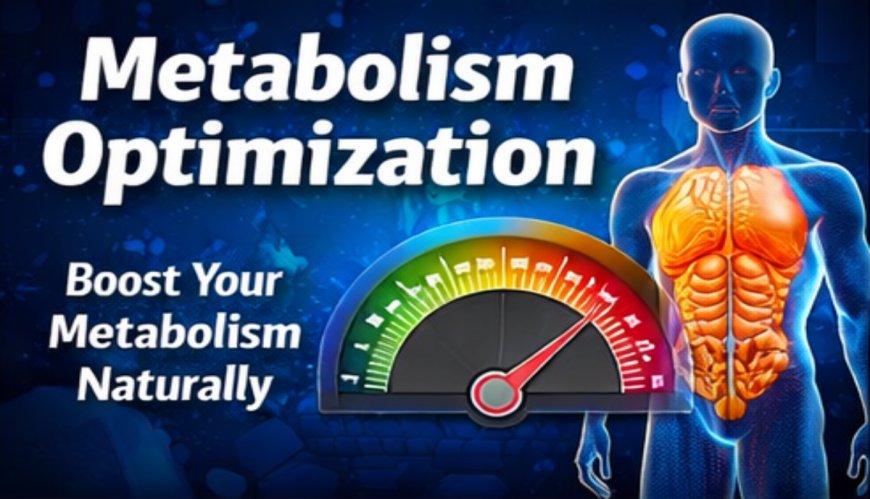
Metabolism plays a major role in energy balance, fat burning, weight management, and overall health. Some people naturally burn calories more efficiently, while others struggle with low energy levels, slow fat loss, and metabolic adaptation over time.
Understanding how metabolism works can help you make better decisions about nutrition, exercise, sleep, stress management, and long-term body composition improvement. Many factors influence metabolic health, including muscle mass, hormones, physical activity, recovery, and eating habits.
This science-based metabolism guide explains how metabolism functions, what affects metabolic rate, common signs of a slow metabolism, and how to increase metabolism naturally through sustainable lifestyle strategies.
Whether your goal is improving fat-burning efficiency, supporting energy levels, or optimizing long-term metabolic health, understanding the biological foundations of metabolism is essential.
What Is Metabolism?
Metabolism refers to all the chemical and biological processes your body uses to create and use energy. These processes are essential for survival and occur continuously, even while you are resting or sleeping.
Your metabolism controls how efficiently the body converts food into usable energy to support daily functions such as:
- breathing
- circulation
- cell repair
- brain function
- hormone production
- body temperature regulation
- physical movement
Many people think metabolism only affects weight loss, but metabolism influences far more than calorie burning alone. Metabolic health also affects energy levels, recovery, appetite regulation, hormone balance, and overall body composition.
When people refer to having a “fast metabolism” or “slow metabolism,” they are usually describing differences in how efficiently the body burns and uses energy throughout the day.
Some individuals naturally burn more calories due to factors such as:
- higher muscle mass
- greater physical activity
- genetics
- hormonal differences
- daily movement patterns
However, metabolism is not completely fixed. Lifestyle habits, nutrition, exercise, sleep quality, and stress management can all influence metabolic efficiency over time.
If you want to understand how metabolism affects fat burning and body composition, read our Ultimate Fat Loss Guide.
Basal Metabolic Rate (BMR)
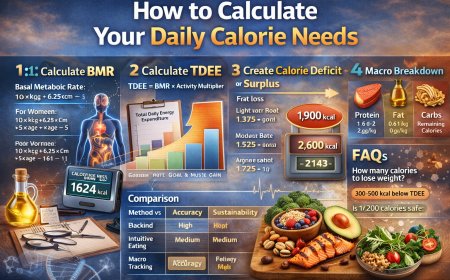
Your Basal Metabolic Rate (BMR) refers to the number of calories your body burns at complete rest in order to maintain essential survival functions.
Even when you are not exercising or physically active, your body still requires energy to support:
- breathing
- blood circulation
- brain activity
- cellular repair
- hormone production
- body temperature regulation
For most people, BMR represents the largest portion of total daily calorie expenditure. This is why metabolism plays such an important role in weight management and long-term fat loss.
Several biological factors influence BMR, including:
- age
- muscle mass
- body size
- genetics
- hormone balance
- overall health status
One of the most important factors is lean muscle mass. Individuals with more muscle tissue generally burn more calories at rest because muscle requires more energy than fat tissue.
This is one reason resistance training and muscle preservation are strongly associated with healthier metabolism and improved body composition over time.
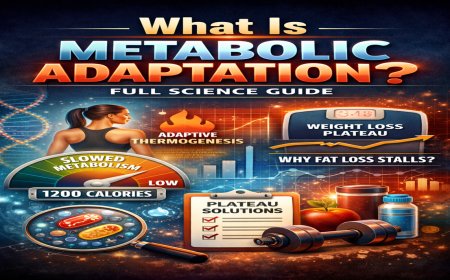
BMR may also decrease slightly during prolonged aggressive dieting due to metabolic adaptation and reduced energy expenditure.
Understanding BMR helps explain why sustainable fat loss often becomes slower as body weight decreases and calorie needs change over time.
Slow Metabolism Symptoms
Many people believe they have a slow metabolism when fat loss becomes difficult or energy levels feel consistently low. In some cases, metabolic efficiency may indeed be reduced, but lifestyle habits, recovery quality, stress, and nutrition also play major roles.
A truly “slow metabolism” is often more complex than simply burning fewer calories. Metabolic health is influenced by factors such as hormone balance, muscle mass, physical activity, sleep quality, calorie intake, and long-term dieting history.
Common symptoms often associated with slower metabolism may include:
- constant fatigue
- difficulty losing body fat
- low energy levels
- feeling cold frequently
- reduced workout recovery
- low motivation for physical activity
- increased hunger during dieting
However, these symptoms do not always mean metabolism is permanently “damaged.” In many cases, aggressive dieting, chronic stress, sleep deprivation, muscle loss, and low physical activity can temporarily reduce metabolic efficiency and energy expenditure.
Long periods of restrictive dieting may also contribute to metabolic adaptation, where the body gradually conserves energy during prolonged calorie deficits.
This is one reason many people experience:
- fat loss plateaus
- reduced calorie burn
- lower daily movement
- increased cravings
- slower long-term progress
Improving metabolic health usually requires sustainable lifestyle strategies rather than extreme dieting methods.
If you struggle with fat loss despite dieting, read our Beginner Weight Loss Guide.
What Affects Your Metabolism?
Your metabolism is influenced by a combination of biological, hormonal, behavioral, and lifestyle factors. Some factors are genetically influenced, while others can improve significantly through long-term healthy habits.
Understanding what affects metabolic rate can help explain why some people burn calories more efficiently than others.
Muscle Mass
Muscle tissue burns more calories than fat tissue, even while the body is at rest. People with greater lean muscle mass generally have higher daily energy expenditure and improved metabolic efficiency.
This is one reason strength training is strongly associated with long-term metabolic health and sustainable fat loss.
Building and preserving muscle may help support:
- higher calorie expenditure
- better insulin sensitivity
- improved body composition
- healthier metabolic function
Learn more about muscle development here: Muscle Growth Science Guide.
Age
Metabolism often slows slightly with age due to reductions in muscle mass, lower physical activity levels, hormonal changes, and lifestyle factors.
However, age-related metabolic decline is often smaller than many people assume. Maintaining strength training, physical activity, sleep quality, and proper nutrition can help support metabolic health throughout aging.
Hormones
Hormones play a major role in regulating appetite, energy expenditure, fat storage, blood sugar control, and metabolic efficiency.
Important metabolic hormones include:
- insulin
- thyroid hormones
- cortisol
- leptin
- ghrelin
Hormonal imbalances may affect hunger, energy levels, fat storage, and long-term weight management.
Chronic stress, poor sleep, aggressive dieting, and insufficient recovery may also negatively influence hormone regulation over time.
Learn more here: Hormones and Fat Loss Guide.
Physical Activity and Daily Movement
Exercise and overall daily movement significantly influence total energy expenditure.
People who remain physically active throughout the day often burn substantially more calories than highly sedentary individuals.
Both structured workouts and non-exercise activity — such as walking, standing, and general movement — contribute to metabolic health and calorie expenditure.
Sleep and Recovery
Sleep quality strongly affects metabolism, appetite regulation, hormone balance, recovery, and energy levels.
Insufficient sleep may contribute to:
- increased hunger
- reduced insulin sensitivity
- higher cortisol levels
- reduced workout recovery
- lower energy expenditure
This is one reason sleep quality is closely connected to long-term metabolic health and sustainable fat loss.
Metabolism Boosting Foods
No single food can dramatically “supercharge” metabolism overnight. However, certain foods may help support metabolic health, appetite regulation, energy expenditure, and long-term fat-burning efficiency when combined with healthy lifestyle habits.
Many so-called “metabolism boosting foods” work indirectly by supporting:
- satiety and appetite control
- stable energy levels
- muscle preservation
- blood sugar balance
- thermic effect of food
Highly processed foods often increase hunger and make calorie control more difficult, while nutrient-dense whole foods are generally more supportive of long-term metabolic health.
Protein and Metabolism
Protein is one of the most important nutrients for supporting metabolism and body composition.
Protein increases something called the thermic effect of food (TEF), which means the body burns more calories digesting and processing protein compared to carbohydrates and fats.
Higher protein intake may also help:
- preserve lean muscle mass
- increase fullness and satiety
- reduce cravings
- support workout recovery
- improve calorie control
Examples of protein-rich foods include:
- lean meats
- fish
- eggs
- Greek yogurt
- legumes
- protein-rich dairy products
To learn more about nutrition strategies see our Nutrition For Fat Loss Guide.
Green Tea and Coffee
Green tea and coffee are commonly discussed in metabolism support because they contain caffeine and other compounds that may slightly increase alertness, energy expenditure, and fat oxidation.
However, the overall effects are usually modest and should not be viewed as a replacement for proper nutrition and exercise habits.
Excessive stimulant intake may also negatively affect sleep quality, stress levels, and recovery.
Fiber-Rich Whole Foods
Fiber-rich foods can help support metabolic health by improving satiety, digestive health, and blood sugar stability.
Examples include:
- vegetables
- fruits
- whole grains
- beans and legumes
- nuts and seeds
Many people struggling with hunger and cravings during dieting may benefit more from improving overall food quality and fiber intake than relying on highly restrictive diets.
Spicy Foods and Metabolism Myths
Some spicy foods may slightly increase short-term thermogenesis due to compounds such as capsaicin. However, these effects are usually relatively small and unlikely to create major long-term fat loss on their own.
The most effective metabolism-supporting diet is typically one built around sustainable nutrition, adequate protein intake, whole foods, and long-term consistency rather than “miracle metabolism foods.”
Exercise and Metabolism
Exercise plays a major role in metabolic health, energy expenditure, muscle preservation, and long-term fat-burning efficiency. While all movement increases calorie burning to some degree, certain forms of exercise are especially effective for supporting metabolism over time.
One of the biggest misconceptions is that metabolism can only be improved through cardio. In reality, both resistance training and cardiovascular exercise influence metabolism in different ways.
Strength Training and Metabolism
Strength training is one of the most effective tools for supporting healthy metabolism because it helps build and preserve lean muscle mass.
Muscle tissue requires more energy than fat tissue, which means individuals with greater muscle mass often burn more calories throughout the day — even while resting.
Strength training may help support:
- higher daily energy expenditure
- muscle preservation during fat loss
- improved insulin sensitivity
- better body composition
- long-term metabolic health
Examples of effective resistance training include:
- weight lifting
- bodyweight exercises
- resistance bands
- compound strength movements
Consistent resistance training is often one of the most sustainable ways to support metabolism and long-term fat loss.
High Intensity Interval Training (HIIT)
HIIT workouts alternate short periods of intense activity with brief recovery intervals. These workouts can increase calorie expenditure in a relatively short amount of time.
Some research suggests HIIT may temporarily increase post-exercise calorie burning, sometimes called the afterburn effect or excess post-exercise oxygen consumption (EPOC).
Potential benefits of HIIT may include:
- improved cardiovascular fitness
- higher short-term calorie expenditure
- time-efficient workouts
- improved metabolic conditioning
However, excessive high-intensity training without adequate recovery may increase fatigue, stress hormones, and recovery demands.
For many people, balancing HIIT with strength training, walking, sleep, and recovery produces better long-term results than relying on intense workouts alone.
Daily Movement and Non-Exercise Activity
Structured workouts are important, but total daily movement also plays a major role in metabolism and calorie expenditure.
Non-exercise activity thermogenesis (NEAT) includes activities such as:
- walking
- standing
- taking stairs
- household movement
- general daily activity
Small increases in daily movement can significantly influence long-term calorie expenditure and metabolic health over time.
This is one reason highly active lifestyles are often more sustainable for long-term fat loss than relying only on short workouts.
Metabolic Flexibility
Metabolic flexibility refers to your body’s ability to efficiently switch between different fuel sources depending on energy demands, activity levels, and food intake.
A metabolically flexible body can effectively use:
- carbohydrates for quick energy
- stored body fat during lower energy states
- mixed fuel sources during daily activity
This flexibility plays an important role in metabolic health, energy regulation, exercise performance, blood sugar control, and long-term body composition.
People with healthier metabolic flexibility often transition more efficiently between fed and fasted states without large energy crashes or unstable hunger signals.
Metabolic Flexibility and Insulin Sensitivity
Metabolic flexibility is closely connected to insulin sensitivity and blood sugar regulation.
When the body becomes less metabolically flexible, it may struggle to efficiently use carbohydrates and fat for energy. This can contribute to:
- unstable energy levels
- increased hunger
- reduced fat oxidation
- poor blood sugar control
- difficulty managing body composition
Poor metabolic flexibility is often associated with insulin resistance, physical inactivity, chronic overeating, poor sleep, and low muscle mass.
How to Improve Metabolic Flexibility
Several lifestyle habits may help support healthier metabolic flexibility over time:
- regular physical activity
- strength training
- improving insulin sensitivity
- maintaining muscle mass
- balanced nutrition
- adequate sleep and recovery
Long-term consistency is usually more important than extreme short-term dieting strategies.
Improving overall metabolic health often supports better energy regulation, appetite control, and sustainable fat-burning efficiency over time.
Sleep and Metabolism
Sleep plays a major role in metabolic health, hormone regulation, appetite control, recovery, and long-term fat loss. Poor sleep quality can negatively affect both physical and mental performance while also influencing calorie intake and energy expenditure.
Many people focus heavily on diet and exercise while underestimating how strongly sleep affects metabolism and body composition.
How Poor Sleep Affects Metabolism
Sleep deprivation may negatively influence several important metabolic processes, including:
- insulin sensitivity
- blood sugar regulation
- hunger hormones
- energy levels
- workout recovery
- daily calorie expenditure
Insufficient sleep may also increase levels of the stress hormone cortisol, which can affect appetite regulation, cravings, recovery, and fat storage patterns.
Research also suggests poor sleep may disrupt hormones such as:
- ghrelin (increases hunger)
- leptin (supports satiety)
This hormonal disruption may increase cravings, overeating, and difficulty maintaining a calorie deficit over time.
Sleep, Recovery, and Fat Loss
Recovery is an essential part of metabolic health and sustainable fat loss.
Consistently poor sleep may contribute to:
- fatigue
- reduced workout performance
- lower motivation for physical activity
- slower recovery from exercise
- increased stress-related eating
Many people struggling with fat loss plateaus may benefit from improving sleep quality, stress management, and recovery habits rather than aggressively reducing calories further.
How to Support Better Sleep and Metabolic Health
Several simple lifestyle habits may help support healthier sleep and metabolic function:
- maintaining a consistent sleep schedule
- reducing excessive caffeine intake late in the day
- limiting screen exposure before bed
- managing stress levels
- creating a cooler, darker sleep environment
Improving sleep quality often supports better appetite control, energy levels, recovery, and long-term fat-burning efficiency.
To understand the connection between sleep and fat loss, read our Sleep & Weight Loss Guide.
Stress and Metabolism
Chronic stress can negatively affect metabolism, appetite regulation, sleep quality, hormone balance, and long-term fat loss. While short-term stress is a normal biological response, prolonged stress exposure may disrupt several important metabolic processes.
Many people underestimate how strongly stress influences eating behavior, recovery, energy levels, and body composition over time.
Cortisol and Metabolic Health
Stress increases the production of the hormone cortisol, which plays an important role in the body’s stress response.
In healthy amounts, cortisol helps regulate energy availability and survival responses. However, chronically elevated cortisol levels may contribute to:
- increased appetite
- stronger cravings for highly processed foods
- sleep disruption
- reduced recovery
- fat storage patterns
- difficulty maintaining a calorie deficit
High stress levels may also reduce motivation for physical activity and increase emotional eating behaviors in some individuals.
Stress, Sleep, and Recovery
Stress and sleep quality are closely connected. Chronic stress may make it harder to fall asleep, reduce sleep quality, and increase mental fatigue.
Poor recovery habits may gradually affect:
- energy levels
- exercise performance
- hormone balance
- appetite regulation
- metabolic efficiency
This is one reason stress management is often an important part of sustainable fat loss and long-term metabolic health.
How to Support a Healthier Stress Response
Completely eliminating stress is unrealistic, but healthy lifestyle habits may help support better recovery and stress management.
Helpful strategies may include:
- regular physical activity
- improving sleep quality
- walking and low-intensity movement
- mindfulness and relaxation techniques
- balanced nutrition
- adequate recovery time
Improving stress management often supports better appetite control, healthier recovery, and more sustainable long-term fat loss progress.
Metabolism Supplements
Metabolism supplements are extremely popular in the health and weight management industry. While some ingredients may provide modest support for energy expenditure, appetite control, or metabolic health, no supplement can replace sustainable nutrition, physical activity, sleep, and long-term consistency.
The most effective approach is viewing supplements as supportive tools rather than “magic metabolism boosters.”
Some evidence-based ingredients may help support:
- energy levels
- exercise performance
- fat oxidation
- appetite regulation
- metabolic efficiency
However, the overall impact of supplements is usually much smaller than the effects of lifestyle habits such as diet quality, muscle mass, daily activity, sleep, and recovery.
Caffeine and Thermogenesis
Caffeine is one of the most widely researched metabolism-support ingredients. It may temporarily increase alertness, exercise performance, and calorie expenditure in some individuals.
Caffeine may also slightly increase thermogenesis and fat oxidation during exercise.
However, excessive stimulant intake may negatively affect:
- sleep quality
- stress levels
- recovery
- heart rate
- anxiety sensitivity
Because sleep and recovery strongly influence metabolic health, more stimulation is not always better.
Green Tea Extract
Green tea extract is commonly included in metabolism supplements because it contains catechins and caffeine, which may modestly support calorie expenditure and fat oxidation.
Research results are mixed, and effects are generally relatively small compared to sustainable nutrition and exercise habits.
Fiber and Appetite Support
Fiber supplements may help support satiety, digestive health, and appetite regulation during calorie restriction.
Many people struggling with cravings and overeating may benefit more from improving overall food quality and fiber intake than relying heavily on stimulant-based fat burners.
Probiotics and Metabolic Health
Emerging research continues exploring the relationship between gut health, metabolism, appetite regulation, and body composition.
Some probiotic supplements may support digestive health and metabolic function in certain individuals, although research in this area is still evolving.
For a detailed breakdown see our Best Metabolism Supplements.
You can also read this detailed product analysis: PrimeBiome Review.
Do Metabolism Supplements Really Work?
Some supplements may provide small supportive benefits, but expectations should remain realistic.
Sustainable metabolic health still depends primarily on:
- consistent nutrition
- adequate protein intake
- strength training
- daily movement
- sleep quality
- stress management
Products promising “extreme metabolism boosts” or “rapid fat burning without effort” are often heavily exaggerated.
The most effective long-term strategy usually combines healthy lifestyle habits with evidence-based supplementation when appropriate.
How to Increase Metabolism Naturally
Improving metabolism naturally does not require extreme diets, dangerous stimulants, or unrealistic “metabolism hacks.” Sustainable metabolic health is usually built through consistent lifestyle habits that support energy expenditure, muscle preservation, recovery, and hormone balance over time.
Many people search for quick ways to “boost metabolism,” but long-term metabolic improvement is typically the result of multiple healthy habits working together consistently.
Build and Preserve Muscle Mass
One of the most effective ways to support metabolism naturally is through resistance training and muscle preservation.
Muscle tissue requires more energy than fat tissue, meaning individuals with more lean muscle mass often burn more calories throughout the day.
Strength training may also help support:
- higher resting energy expenditure
- better insulin sensitivity
- improved body composition
- healthier aging
- long-term fat-burning efficiency
Increase Daily Physical Activity
Daily movement plays a major role in total calorie expenditure and metabolic health.
Simple habits such as:
- walking more
- taking stairs
- standing more frequently
- reducing sedentary behavior
- staying physically active throughout the day
can significantly influence long-term energy expenditure.
For many people, increasing overall movement is often more sustainable than relying only on intense workouts.
Prioritize Protein Intake
Protein supports metabolism through its higher thermic effect of food compared to carbohydrates and fats.
Adequate protein intake may help:
- support muscle maintenance
- increase satiety
- reduce cravings
- improve workout recovery
- support calorie control
Higher protein diets are often associated with improved body composition and more sustainable fat loss.
Improve Sleep and Recovery
Sleep quality strongly influences appetite regulation, recovery, hormone balance, and metabolic efficiency.
Consistently poor sleep may contribute to:
- higher cortisol levels
- increased hunger
- lower energy levels
- reduced recovery
- difficulty maintaining healthy habits
Improving sleep quality often supports better long-term metabolic health and energy regulation.
Manage Stress Levels
Chronic stress may negatively affect metabolism, appetite regulation, recovery, and long-term fat loss progress.
Healthy stress management strategies such as walking, exercise, mindfulness, proper sleep, and balanced nutrition may help support a healthier metabolic environment.
Avoid Extreme Dieting
Very aggressive calorie restriction may temporarily reduce energy expenditure and increase metabolic adaptation over time.
Sustainable nutrition strategies are often more effective long term because they improve consistency, recovery, muscle preservation, and adherence.
The healthiest approach to metabolism support usually focuses on long-term habits rather than short-term extreme solutions.
Final Thoughts
Metabolism is far more complex than simply “burning calories fast” or “having a slow metabolism.” Metabolic health is influenced by a combination of muscle mass, nutrition, sleep quality, stress management, physical activity, hormone balance, and long-term lifestyle habits.
Many people search for quick metabolism hacks or extreme fat-burning solutions, but sustainable metabolic improvement usually comes from consistent daily behaviors rather than temporary shortcuts.
The most effective long-term strategies often include:
- strength training and muscle preservation
- balanced nutrition with adequate protein intake
- daily physical activity and movement
- high-quality sleep and recovery
- stress management and sustainable habits
Improving metabolism is not about perfection. It is about creating a healthier lifestyle that supports better energy regulation, body composition, recovery, and long-term overall health.
While supplements and specialized strategies may provide additional support in some cases, the foundation of healthy metabolism still depends primarily on consistent lifestyle habits.
If you want to understand how metabolism connects with fat burning and body composition, read our Ultimate Fat Loss Guide.
You can also explore our science-based fat loss supplements guide for a deeper breakdown of evidence-based metabolism and fat-burning support strategies.
Ultimately, sustainable metabolic health is built through long-term consistency, realistic expectations, and healthy habits that can be maintained for years rather than only a few weeks.
Frequently Asked Questions About Metabolism
What is metabolism?
Metabolism refers to all the chemical and biological processes the body uses to convert food into energy and support essential functions such as breathing, circulation, hormone production, and cellular repair.
Can you increase metabolism naturally?
Yes. Healthy lifestyle habits such as strength training, increasing daily movement, improving sleep quality, eating enough protein, and managing stress may help support metabolic health and energy expenditure over time.
What causes a slow metabolism?
Several factors may contribute to slower metabolism, including low muscle mass, physical inactivity, aggressive dieting, poor sleep, hormonal imbalances, aging, and chronic stress.
Does muscle increase metabolism?
Yes. Muscle tissue burns more calories than fat tissue, even while resting. Building and preserving lean muscle mass may help support higher daily energy expenditure.
What foods help support metabolism?
Protein-rich foods, fiber-rich whole foods, green tea, coffee, and nutrient-dense meals may help support metabolism, satiety, blood sugar balance, and energy regulation.
Does drinking water boost metabolism?
Hydration supports many metabolic processes, but drinking water alone will not dramatically increase metabolism. Proper hydration mainly supports overall metabolic function and physical performance.
Does sleep affect metabolism?
Yes. Poor sleep may negatively affect hunger hormones, insulin sensitivity, recovery, appetite regulation, and long-term metabolic health.
Can stress slow metabolism?
Chronic stress may negatively affect metabolism through increased cortisol levels, sleep disruption, appetite changes, emotional eating, and reduced recovery.
Do metabolism supplements really work?
Some supplements may provide modest support for energy expenditure or appetite regulation, but no supplement replaces sustainable nutrition, exercise, sleep, and long-term healthy habits.
What is the best exercise for metabolism?
Strength training is one of the most effective forms of exercise for supporting metabolism because it helps build and preserve lean muscle mass. Daily movement and cardiovascular exercise also contribute to overall energy expenditure.