Science-Based Weight Loss Guide: Sustainable Strategies That Work
Learn how weight loss actually works, including calorie deficits, metabolism, nutrition, exercise, sleep, hormones, and sustainable strategies for long-term healthy results.
Science-Based Weight Loss Guide
Weight loss is one of the most common health goals, but many people struggle because most diets focus on quick results instead of long-term behavior, calorie balance, and metabolic health.
This science-based weight loss guide explains how weight loss actually works, why calorie deficit matters, how metabolism affects progress, and which nutrition, exercise, sleep, and lifestyle habits support sustainable results.
Healthy weight loss is not just about lowering the number on the scale. It is about reducing excess body fat, preserving lean muscle mass, improving energy levels, and building habits that can realistically be maintained over time.
If your goal is fat loss rather than only scale weight, start with our Ultimate Fat Loss Guide.
How Weight Loss Works
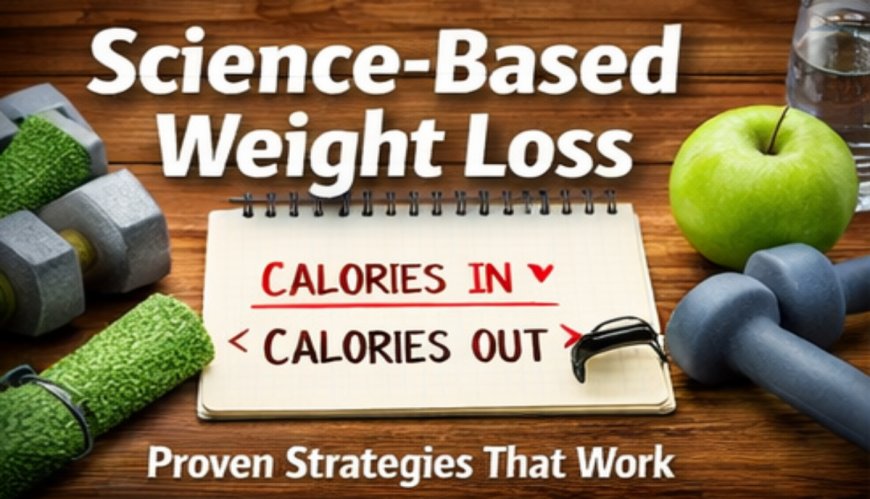
Weight loss occurs when the body uses more energy than it receives from food over time. This is known as a calorie deficit.
Your body constantly requires energy to support essential biological functions such as:
- breathing
- brain activity
- digestion
- circulation
- cellular repair
- physical movement
When calorie intake becomes lower than calorie expenditure, the body begins using stored energy to help meet its energy demands.
This stored energy may come from:
- body fat
- glycogen stores
- sometimes lean muscle tissue
Many people assume all weight loss automatically means fat loss, but this is not always true. Rapid scale changes are often influenced by water loss, glycogen depletion, digestion changes, and muscle loss in addition to body fat reduction.
This is why healthy weight loss should focus on improving body composition rather than simply lowering body weight as quickly as possible.
The goal of sustainable weight loss is usually to maximize fat loss while preserving lean muscle mass, metabolic health, energy levels, and long-term adherence.
If your primary goal is reducing body fat while preserving muscle, read our Ultimate Fat Loss Guide.
Calorie Deficit Explained
A calorie deficit occurs when your body burns more calories than it consumes over time. This energy imbalance is the primary biological requirement for weight loss and fat reduction.
Without a calorie deficit, long-term fat loss cannot occur regardless of diet type, meal timing, or supplement use.
However, not all calorie deficits are equally sustainable. Extremely aggressive dieting may increase:
- fatigue
- muscle loss
- hunger and cravings
- reduced workout performance
- metabolic adaptation
- difficulty maintaining long-term results
Sustainable calorie deficits are usually more effective long term because they improve consistency, recovery, adherence, and muscle preservation.
Reduce Calorie Intake
One way to create a calorie deficit is by reducing overall calorie intake.
Healthy nutrition strategies may include:
- reducing portion sizes
- limiting ultra-processed foods
- increasing protein intake
- eating more whole foods
- improving fiber intake
These habits often improve satiety and appetite control while naturally reducing calorie intake without extreme restriction.
Increase Energy Expenditure
A calorie deficit can also be created by increasing daily energy expenditure.
Examples include:
- walking more
- strength training
- cardiovascular exercise
- daily physical activity
- improving overall movement
Combining healthy nutrition with increased physical activity is usually the most effective and sustainable approach for long-term weight management.
For a deeper explanation of metabolism and calorie expenditure, read our Metabolism Optimization Guide.
Healthy Weight Loss vs Crash Dieting
Many weight loss programs promise rapid results, but extremely aggressive dieting often creates temporary changes rather than sustainable long-term success.
Crash dieting typically involves severe calorie restriction, highly restrictive food rules, or unsustainable eating patterns that are difficult to maintain over time.
While rapid scale changes may occur initially, a significant portion of early weight loss often comes from:
- water loss
- glycogen depletion
- muscle loss
- reduced digestive volume
Extremely restrictive diets may also increase:
- fatigue
- hunger and cravings
- metabolic adaptation
- muscle loss
- reduced workout performance
- difficulty maintaining results
Many people regain lost weight after crash dieting because the approach was too restrictive to sustain long term.
Why Sustainable Weight Loss Works Better
Healthy weight loss focuses on sustainable habits rather than extreme short-term results.
Long-term success usually comes from:
- consistent calorie control
- balanced nutrition
- adequate protein intake
- regular physical activity
- sleep and recovery
- stress management
Sustainable approaches are often easier to maintain because they allow greater flexibility and reduce feelings of burnout or deprivation.
For most people, a realistic and sustainable rate of weight loss is approximately 0.5–1 kg (1–2 pounds) per week.
This slower rate of progress often improves muscle preservation, recovery, energy levels, and long-term adherence.
Focus on Long-Term Habits
Successful weight management is usually less about finding the “perfect diet” and more about building habits that can realistically fit everyday life.
Small consistent behaviors repeated over months and years generally produce better long-term results than extreme short-term dieting cycles.
Sustainable weight loss should support overall health, body composition, energy levels, and quality of life — not just temporary scale changes.
The Role of Metabolism in Weight Loss
Metabolism plays a major role in weight loss because it determines how much energy your body uses throughout the day.
Your body continuously burns calories to support essential functions such as:
- breathing
- circulation
- brain activity
- digestion
- physical movement
- cellular repair
Total daily energy expenditure is influenced by several factors, including:
- muscle mass
- physical activity
- age
- genetics
- hormone balance
- daily movement patterns
People with greater lean muscle mass often burn more calories throughout the day because muscle tissue requires more energy than fat tissue.
This is one reason resistance training and muscle preservation are important during weight loss.
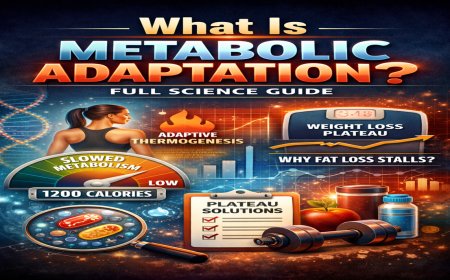
Metabolic Adaptation During Weight Loss
As body weight decreases, the body often becomes slightly more energy efficient. This process is sometimes called metabolic adaptation.
During prolonged calorie restriction, the body may gradually:
- reduce energy expenditure
- increase hunger signals
- decrease spontaneous movement
- slow fat loss progress
This is one reason many people experience weight loss plateaus over time.
However, metabolic adaptation does not mean weight loss becomes impossible. Sustainable nutrition, resistance training, adequate protein intake, sleep quality, and physical activity can all help support healthier metabolism during weight loss.
Why Metabolic Health Matters
Healthy metabolism is not only about burning more calories. Metabolic health also affects:
- energy levels
- appetite regulation
- exercise performance
- blood sugar control
- long-term body composition
Improving metabolic efficiency may help support healthier long-term weight management and sustainable fat loss.
For a complete explanation, read our Metabolism Optimization Guide.
Nutrition Strategies for Weight Loss
Nutrition is one of the most important factors in long-term weight loss success. While many diets focus on restriction or eliminating entire food groups, sustainable nutrition strategies are usually more effective when they support satiety, energy levels, recovery, and long-term consistency.
The most effective weight loss diets are often the ones people can realistically maintain over time.
Increase Protein Intake
Protein is one of the most important nutrients for healthy weight loss and body composition support.
Higher protein intake may help:
- reduce hunger and cravings
- increase satiety
- preserve lean muscle mass
- support workout recovery
- increase the thermic effect of food
Because protein requires more energy to digest than carbohydrates and fats, it may slightly increase calorie expenditure during digestion.
Protein-rich foods include:
- lean meats
- fish
- eggs
- Greek yogurt
- legumes
- high-protein dairy products
Eat More Fiber-Rich Foods
Fiber-rich foods may help support appetite regulation, digestive health, blood sugar stability, and long-term calorie control.
High-fiber foods often increase fullness and slow digestion, which may reduce overeating during weight loss.
Examples include:
- vegetables
- fruits
- whole grains
- beans and legumes
- nuts and seeds
Limit Highly Processed Foods
Ultra-processed foods are often highly calorie-dense while providing relatively low satiety and nutritional value.
Examples include:
- sugary drinks
- packaged snack foods
- fast food
- highly refined desserts
These foods may increase cravings and make calorie control more difficult for some individuals.
Replacing highly processed foods with more whole-food-based meals often supports healthier long-term weight management.
Focus on Sustainability Instead of Perfection
Many people struggle with weight loss because they follow overly restrictive meal plans that are difficult to maintain long term.
Sustainable nutrition strategies are usually more effective because they improve:
- consistency
- adherence
- recovery
- energy levels
- overall dietary flexibility
Healthy nutrition should support long-term habits rather than temporary short-term dieting cycles.
To learn more about sustainable eating strategies, read our Nutrition for Fat Loss Guide.
Exercise and Weight Loss
Exercise supports weight loss by increasing energy expenditure, improving metabolic health, preserving lean muscle mass, and supporting long-term body composition changes.
However, exercise alone rarely produces major long-term weight loss without proper nutrition and sustainable eating habits.
The most effective approach usually combines regular physical activity with healthy calorie control and consistent lifestyle habits.
Strength Training
Strength training is one of the most effective forms of exercise for supporting healthy weight loss and long-term metabolic health.
Resistance training helps preserve lean muscle mass during calorie restriction, which is important because muscle tissue requires more energy than fat tissue.
Potential benefits of strength training include:
- muscle preservation during weight loss
- improved body composition
- higher resting energy expenditure
- better insulin sensitivity
- improved long-term metabolic health
Examples include:
- weight lifting
- bodyweight exercises
- resistance bands
- compound strength movements
To understand how muscle preservation supports metabolism, read our Muscle Growth Science Guide.
Cardiovascular Exercise
Cardiovascular exercise increases calorie expenditure and supports heart health, endurance, and overall physical fitness.
Common forms of cardio include:
- walking
- running
- cycling
- swimming
- rowing
Walking is often underestimated, but increasing daily step count and overall movement can significantly support long-term weight management.
For many people, highly sustainable low-impact movement is easier to maintain long term than extreme workout routines.
Daily Movement and NEAT
Non-exercise activity thermogenesis (NEAT) refers to calories burned through everyday movement outside structured workouts.
Examples include:
- walking throughout the day
- standing more frequently
- household movement
- taking stairs
- general physical activity
Increasing total daily movement often plays a major role in sustainable calorie expenditure and long-term weight control.
Consistency Matters More Than Intensity
Many people believe they need extreme workouts to lose weight, but consistency is usually more important than short bursts of very intense exercise.
Sustainable exercise routines are often more effective because they improve adherence, recovery, energy levels, and long-term habit formation.
The best workout plan is usually the one that can realistically fit your lifestyle and remain sustainable over time.
Hormones and Weight Loss
Hormones play a major role in appetite regulation, metabolism, fat storage, energy balance, and long-term body composition.
While calorie balance remains essential for weight loss, hormones can strongly influence hunger levels, cravings, energy expenditure, recovery, and eating behavior.
This is one reason weight loss is often more complex than simply “eating less.”
Insulin and Blood Sugar Regulation
Insulin is a hormone involved in blood sugar control and energy storage.
After eating, insulin helps move glucose from the bloodstream into cells where it can be used for energy or stored.
Poor dietary habits, chronic overeating, physical inactivity, and excess body fat may negatively affect insulin sensitivity over time.
Improving insulin sensitivity through nutrition, exercise, sleep, and muscle preservation may help support healthier metabolic function and body composition.
Cortisol and Stress
Cortisol is commonly called the “stress hormone.”
Short-term cortisol increases are normal, but chronically elevated stress levels may contribute to:
- stronger cravings
- emotional eating
- poor sleep quality
- reduced recovery
- difficulty maintaining healthy habits
Chronic stress may also negatively influence appetite regulation and long-term adherence during weight loss.
Leptin and Ghrelin
Leptin and ghrelin are hormones involved in hunger and satiety regulation.
- Leptin helps signal fullness and energy balance.
- Ghrelin increases hunger and appetite.
Poor sleep, aggressive dieting, stress, and prolonged calorie restriction may disrupt these hunger-regulating hormones in some individuals.
This may increase cravings and make long-term calorie control more difficult.
Hormones and Sustainable Weight Loss
Healthy weight management usually supports hormone regulation through:
- balanced nutrition
- adequate protein intake
- strength training
- sleep quality
- stress management
- consistent physical activity
Sustainable lifestyle habits often support healthier hormone balance far more effectively than extreme dieting approaches.
To learn more about hormones and fat storage, read our Hormones and Fat Loss Guide.
The Importance of Sleep
Sleep plays a major role in appetite regulation, recovery, metabolism, hormone balance, energy levels, and long-term weight management.
Many people focus heavily on diet and exercise while underestimating how strongly sleep quality affects eating behavior, cravings, recovery, and calorie control.
How Poor Sleep Affects Weight Loss
Sleep deprivation may negatively influence several important biological processes involved in weight management.
Poor sleep may contribute to:
- stronger cravings
- increased hunger
- reduced insulin sensitivity
- lower energy levels
- reduced workout recovery
- difficulty maintaining healthy habits
Research also suggests poor sleep may affect hormones involved in hunger regulation such as:
- ghrelin (increases appetite)
- leptin (supports fullness and satiety)
This hormonal disruption may increase overeating and make calorie control more difficult during weight loss.
Sleep, Recovery, and Energy Levels
Recovery is an essential part of sustainable weight management.
Insufficient sleep may reduce:
- exercise performance
- motivation for physical activity
- daily movement
- mental focus
- overall energy expenditure
Many people struggling with weight loss plateaus may benefit from improving sleep quality and recovery habits rather than aggressively cutting calories further.
How to Improve Sleep Quality
Several lifestyle habits may help support healthier sleep and recovery:
- maintaining a consistent sleep schedule
- limiting excessive caffeine late in the day
- reducing screen exposure before bed
- creating a cool and dark sleep environment
- managing stress levels
Better sleep quality often supports healthier appetite regulation, recovery, energy balance, and long-term weight management.
To learn more, read our Sleep & Weight Loss Guide.
Weight Loss Plateaus
Many people experience a weight loss plateau at some point during their journey. A plateau occurs when weight loss slows down or temporarily stops despite continued effort.
This can feel frustrating, but plateaus are a very common and normal part of long-term weight management.
Why Weight Loss Plateaus Happen
As body weight decreases, the body often becomes slightly more energy efficient. This means:
- daily calorie needs decrease
- energy expenditure may drop
- metabolism may adapt slightly
- fat loss progress can slow over time
Several additional factors may also contribute to plateaus, including:
- reduced daily movement
- inaccurate calorie tracking
- muscle loss during dieting
- poor sleep quality
- chronic stress
- reduced workout intensity
Temporary water retention can also mask fat loss progress on the scale.
Plateaus Do Not Mean Failure
Many people assume a plateau means their metabolism is “broken,” but this is usually not the case.
Weight loss is rarely perfectly linear. Daily body weight fluctuations can occur due to:
- water retention
- sodium intake
- stress
- hormonal fluctuations
- digestive changes
This is why long-term trends are usually more important than short-term scale changes.
How to Break a Weight Loss Plateau
Several sustainable strategies may help support continued progress:
- improving protein intake
- increasing daily movement
- preserving muscle through strength training
- improving sleep quality
- managing stress levels
- reviewing calorie intake accuracy
In many cases, consistency and patience are more effective than making extreme changes.
Healthy long-term weight management usually depends on sustainable habits rather than constantly increasing restriction.
Weight Loss Supplements
Weight loss supplements are widely marketed as solutions for faster fat burning and easier weight management. While some ingredients may provide modest support for appetite control, energy expenditure, or workout performance, supplements should not replace sustainable nutrition and lifestyle habits.
The most effective long-term weight loss strategies still depend primarily on:
- consistent calorie control
- balanced nutrition
- adequate protein intake
- regular physical activity
- sleep and recovery
- stress management
Healthy supplements may serve as supportive tools, but expectations should remain realistic.
Caffeine and Thermogenesis
Caffeine is one of the most researched ingredients used in weight loss supplements.
It may temporarily support:
- alertness
- exercise performance
- energy expenditure
- fat oxidation during activity
However, excessive stimulant intake may negatively affect sleep quality, recovery, stress levels, and appetite regulation.
Fiber and Appetite Support
Fiber supplements may help support satiety and appetite control during calorie restriction.
Many people struggling with cravings may benefit more from improving overall food quality and fiber intake than relying heavily on stimulant-based fat burners.
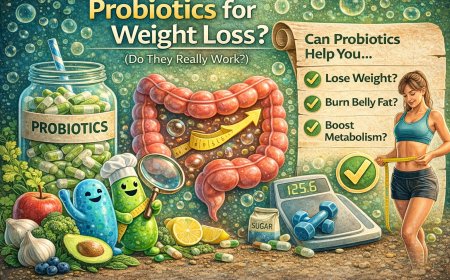
Probiotics and Gut Health
Emerging research continues exploring the connection between gut health, appetite regulation, metabolism, and body composition.
Some probiotic supplements may support digestive health and metabolic function, although research in this area is still evolving.
Do Weight Loss Supplements Really Work?
Some supplements may provide small supportive benefits, but no supplement can replace long-term healthy habits.
Products promising “extreme fat burning” or “rapid weight loss without effort” are often heavily exaggerated.
The most sustainable approach usually combines evidence-based supplementation with healthy nutrition, exercise, recovery, and consistent lifestyle habits.
For more information, read our Best Fat Burning Supplements Guide.
You can also read our detailed analysis here: Aqua Sculpt Review.
Sustainable Weight Loss Habits
Long-term weight loss success is usually built through sustainable daily habits rather than short-term motivation or extreme dieting.
Many people regain lost weight because their approach was too restrictive, unrealistic, or impossible to maintain long term.
Sustainable weight management focuses on creating healthy routines that can realistically fit everyday life.
Consistency Matters More Than Perfection
One of the biggest predictors of long-term success is consistency.
Small healthy habits repeated consistently over time often produce better long-term results than extreme dieting cycles followed by burnout.
Healthy habits may include:
- maintaining regular physical activity
- eating balanced meals
- improving sleep quality
- managing stress levels
- tracking progress realistically
- preserving muscle through strength training
Perfection is rarely necessary for sustainable progress.
Build Habits That Fit Your Lifestyle
The best weight loss strategy is usually the one that can realistically fit your schedule, recovery capacity, food preferences, and long-term lifestyle.
Highly restrictive meal plans and extreme workout routines may work temporarily, but many people struggle to maintain them once motivation decreases or life becomes stressful.
Flexible and sustainable habits are often easier to maintain because they improve:
- adherence
- recovery
- mental sustainability
- energy levels
- long-term consistency
Focus on Long-Term Health
Healthy weight loss should support overall well-being rather than creating constant exhaustion, obsession, or burnout.
Successful long-term strategies usually prioritize:
- balanced nutrition
- regular movement
- muscle preservation
- quality sleep
- stress management
- realistic expectations
Ultimately, sustainable weight loss is not about temporary dieting. It is about building healthier long-term behaviors that improve body composition, energy levels, and overall quality of life.
Final Thoughts
Healthy weight loss is not about extreme restriction, dangerous shortcuts, or temporary dieting trends. Sustainable results usually come from understanding how the body works and applying consistent long-term habits.
Successful weight management often depends on a combination of:
- maintaining a sustainable calorie deficit
- improving nutrition quality
- preserving muscle mass
- staying physically active
- supporting sleep and recovery
- managing stress levels
Weight loss is rarely a perfectly linear process. Temporary plateaus, fluctuations in body weight, and periods of slower progress are all normal parts of long-term change.
The most successful people are usually not those following the most extreme diets. They are often the ones who build sustainable routines they can maintain consistently for months and years.
Instead of focusing only on short-term scale changes, focus on improving overall health, energy levels, metabolic health, body composition, and long-term lifestyle habits.
If your primary goal is fat loss rather than only reducing body weight, continue reading our Ultimate Fat Loss Guide.
To understand how metabolism influences calorie burning and long-term weight management, explore our Metabolism Optimization Guide.
Ultimately, sustainable weight loss is not about perfection. It is about creating healthier long-term behaviors that support both physical and mental well-being over time.
Frequently Asked Questions About Weight Loss
How does weight loss actually work?
Weight loss occurs when the body burns more calories than it consumes over time. This calorie deficit forces the body to use stored energy, including body fat, to meet energy needs.
What is the difference between weight loss and fat loss?
Weight loss refers to reductions in total body weight, including water, muscle, and fat. Fat loss specifically focuses on reducing stored body fat while preserving lean muscle mass.
What is a healthy rate of weight loss?
For most people, a sustainable rate of weight loss is approximately 0.5–1 kg (1–2 pounds) per week. Faster weight loss may increase the risk of muscle loss and rebound weight gain.
Why do crash diets fail?
Crash diets are often difficult to maintain long term and may increase fatigue, cravings, muscle loss, and metabolic adaptation. Many people regain lost weight once normal eating patterns return.
Does metabolism affect weight loss?
Yes. Metabolism influences daily energy expenditure, calorie burning, appetite regulation, and body composition. Muscle mass, activity level, sleep, and hormones all affect metabolic health.
What foods help support weight loss?
Protein-rich foods, fiber-rich vegetables, fruits, legumes, and whole foods may help support satiety, appetite control, and sustainable calorie management.
Is exercise necessary for weight loss?
Exercise is not absolutely required for weight loss, but it strongly supports calorie expenditure, muscle preservation, metabolic health, and long-term weight management.
Why does weight loss slow down over time?
Weight loss often slows due to metabolic adaptation, lower energy expenditure, reduced body weight, water retention, and changes in physical activity levels.
Do weight loss supplements really work?
Some supplements may provide modest support for appetite control or energy expenditure, but no supplement replaces healthy nutrition, exercise, sleep, and long-term sustainable habits.
What is the best long-term weight loss strategy?
The most effective long-term strategy usually combines sustainable calorie control, balanced nutrition, strength training, daily movement, quality sleep, stress management, and realistic expectations.