Gut Health and Weight Loss: What Actually Affects Your Body
Learn how gut health affects weight loss, digestion, bloating, and metabolism. A realistic guide to understanding your body and improving results.
Quick Answer
Gut health can affect weight loss indirectly, but it does not replace calories, nutrition, movement, sleep, or consistency.
Your gut may influence digestion, bloating, nutrient absorption, appetite signals, inflammation, and how comfortable your routine feels day to day.
If digestion feels off, weight loss may feel harder because discomfort, bloating, irregularity, and cravings can make consistency more difficult.
Best first step: improve basic habits first — hydration, fiber if tolerated, slower eating, balanced meals, sleep, and stress management.
Gut Health and Weight Loss: What Really Matters?
Gut health is not a magic weight-loss switch.
But digestion, bloating, appetite, and nutrient absorption can all influence how easy or difficult your routine feels.
This guide explains the connection clearly, without hype or unrealistic claims. Explore Gut Support Options
Table of Contents
- What Is Gut Health?
- Does Gut Health Affect Weight Loss?
- Bloating vs Fat Gain
- The Gut and Metabolism Connection
- Common Signs Gut Health May Be Affecting You
- Why Gut Issues Make Fat Loss Feel Harder
- Gut Health, Appetite, and Cravings
- Gut Health and Nutrient Absorption
- What Actually Helps Gut Health?
- FAQ
What Is Gut Health?
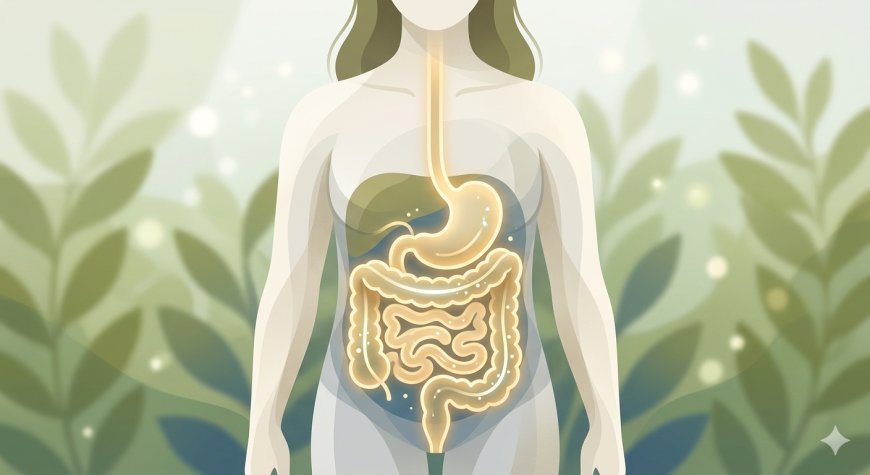
Gut health refers to how well your digestive system functions and how balanced your gut microbiome appears to be.
Your gut helps with:
- Breaking down food
- Absorbing nutrients
- Supporting immune function
- Regulating digestion
- Influencing how your body feels after eating
When digestion feels balanced, meals usually feel easier to tolerate.
When gut health feels off, people may experience bloating, discomfort, irregular digestion, or inconsistent appetite.
Does Gut Health Affect Weight Loss?
Gut health can influence weight loss indirectly.
It does not override energy balance.
It does not replace a calorie deficit.
But it can affect how easy it feels to stay consistent.
For example, poor digestion may contribute to:
- Bloating
- Discomfort after meals
- Irregular bathroom habits
- Appetite inconsistency
- Lower motivation to follow a structured routine
That matters because long-term fat loss depends heavily on consistency.
If you feel stuck despite trying, this guide may help: Why You're Not Losing Weight Even When Trying.
Bloating vs Fat Gain: An Important Difference
Many people confuse bloating with fat gain.
They are not the same.
Bloating can make your stomach feel larger, tighter, or heavier.
But that does not mean your body gained fat overnight.
Bloating may be influenced by:
- Food volume
- Sodium intake
- Digestive speed
- Stress
- Sleep quality
- Fiber changes
- Food intolerances or sensitivities
This distinction matters because reacting emotionally to bloating can lead to unnecessary restriction.
Instead of assuming fat gain, look for patterns in digestion, meals, stress, and sleep.
The Gut and Metabolism Connection
Your gut and metabolism are connected, but the relationship is often exaggerated online.
Your gut does not single-handedly control fat loss.
However, digestion can influence:
- How you absorb nutrients
- How comfortable you feel after meals
- How consistent your eating habits become
- How your body responds to certain foods
Metabolism is a larger system that includes energy use, activity, hormones, sleep, stress, and body composition.
For the bigger picture, read Metabolism Explained.
Common Signs Gut Health May Be Affecting You
Gut issues do not always mean something serious is happening.
But they may affect how your routine feels.
Common signs include:
- Frequent bloating
- Feeling heavy after meals
- Irregular digestion
- Low energy after eating
- Inconsistent appetite
- Discomfort that changes food choices
If these symptoms are persistent, severe, or worsening, professional medical guidance is the safest choice.
Exploring Gut Health Support?
Daily habits should always come first.
Some readers also compare gut-support formulas when digestion and consistency become major obstacles. Read LeanBiome Review
Why Gut Issues Can Make Fat Loss Feel Harder
Gut problems do not automatically prevent fat loss.
But they can make consistency more difficult.
When digestion feels uncomfortable, people often experience:
- Less motivation
- More food anxiety
- Irregular eating patterns
- Lower energy levels
- Reduced workout consistency
And over time, those habits matter.
Because fat loss is rarely about one perfect day.
It's about what you can maintain consistently.
Gut Health, Appetite, and Cravings
Digestion and appetite are closely connected.
When meals leave you feeling uncomfortable, hungry, or unsatisfied, maintaining healthy habits becomes harder.
Some people experience:
- Frequent cravings
- Irregular hunger
- Low satisfaction after meals
- More snacking
This is one reason gut health is often discussed alongside appetite management and weight control.
Related guide:
Gut Health and Nutrient Absorption
One of the digestive system's most important jobs is nutrient absorption.
Your body depends on the gut to utilize:
- Protein
- Vitamins
- Minerals
- Carbohydrates
- Healthy fats
Proper nutrient utilization supports:
- Energy production
- Recovery
- Exercise performance
- Overall health
This does not mean perfect digestion guarantees weight loss.
But feeling better often makes healthy habits easier to maintain.
What Actually Helps Gut Health?
Most people do not need complicated protocols.
Simple habits usually provide the greatest benefit.
1. Eat Slowly
Rushing meals may contribute to discomfort and overeating.
2. Stay Hydrated
Water supports digestion and overall health.
3. Include Fiber Gradually
Fiber tolerance varies between individuals.
Increasing intake slowly is often easier than making sudden changes.
4. Avoid Overeating
Large meals may increase bloating and discomfort.
5. Build Consistent Meal Timing
Routine often helps the digestive system function more comfortably.
6. Prioritize Sleep
Poor sleep and poor digestion often influence each other.
Related article:
Common Gut Health Mistakes People Make
Many people make the mistake of blaming every problem on gut health.
Common mistakes include:
- Expecting overnight changes
- Ignoring sleep and stress
- Trying too many supplements at once
- Changing diets constantly
- Overcomplicating simple habits
- Expecting one food to solve everything
Gut health is important.
But it is only one piece of the puzzle.
Where Do Gut Health Supplements Fit In?
Some people choose to explore gut-support supplements.
Popular examples include:
However, supplements should support healthy habits—not replace them.
The foundation still includes:
- Nutrition
- Sleep
- Hydration
- Stress management
- Daily movement
- Consistency
Results vary.
Looking for Additional Gut Support?
Healthy habits come first.
Some readers compare different gut-support approaches to see what fits their needs. Read LeanBiome Review
Final Thoughts
Gut health matters, but it is not the entire weight-loss equation.
Digestion, bloating, nutrient absorption, and appetite regulation can all influence how easy it feels to maintain healthy habits.
But sustainable progress still depends on the bigger picture:
- Nutrition
- Protein intake
- Sleep quality
- Daily movement
- Stress management
- Consistency
When digestion improves, many people find it easier to stay on track.
And consistency is often what drives long-term results.
Reality Check
Gut health is important.
But it is not a magic solution.
No food, probiotic, or supplement can replace:
- Balanced nutrition
- Sleep
- Exercise
- Hydration
- Stress management
- Healthy habits
Results vary from person to person.
Simple habits practiced consistently usually outperform complicated protocols.
Scientific References and Authority Sources
- PubMed Research Database
- National Institutes of Health (NIH)
- Harvard T.H. Chan School of Public Health
- National Institute of Diabetes and Digestive and Kidney Diseases
- Centers for Disease Control and Prevention (CDC)
Related Guides
- Metabolism Explained
- Why You're Not Losing Weight Even When Trying
- Why Am I Hungry After Eating?
- Sleep and Fat Loss Guide
- Carbohydrates and Insulin Explained
- Optimal Protein Intake Guide
Related Reviews
Frequently Asked Questions
Does gut health affect weight loss?
Yes. Gut health may influence digestion, appetite, and consistency, which can indirectly affect weight management.
Can bloating look like fat gain?
Yes. Bloating can temporarily change how your body feels and looks without increasing body fat.
Does gut health control metabolism?
No. Metabolism depends on many factors, including activity, sleep, hormones, and body composition.
Can poor digestion affect energy levels?
Some people experience lower energy or discomfort after meals when digestion feels off.
Does stress affect gut health?
Yes. Stress and digestion are closely connected.
Can sleep influence digestion?
Yes. Sleep quality and digestive health often affect one another.
What helps support gut health naturally?
Hydration, balanced meals, adequate fiber, stress management, and regular meal timing may help.
Should I take probiotics?
Individual responses vary. Supplements should complement healthy habits, not replace them.
Can gut health supplements replace diet and exercise?
No. Supplements should only support a healthy lifestyle.
What matters most for long-term weight loss?
Consistency across nutrition, sleep, movement, stress management, and healthy habits.