Nutrition Fundamentals: Macros, Micros & Metabolism Explained
Comprehensive guide to nutrition fundamentals: macronutrients, micronutrients, metabolism, calorie balance, and how the body actually uses food. Science-backed and beginner-friendly.
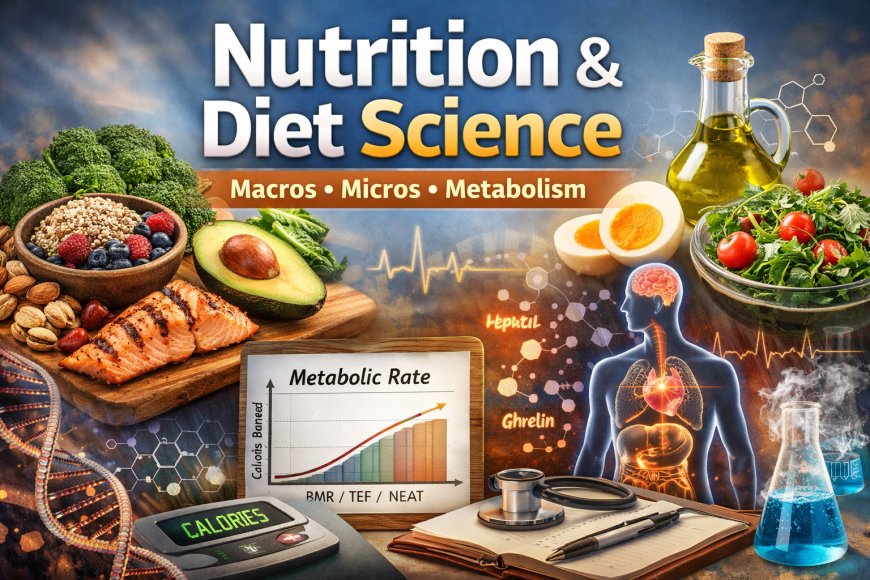
Nutrition fundamentals are often oversimplified into “eat less and move more.” In reality, nutrition is far more complex. Metabolism, hormones, calorie balance, food quality, recovery, and long-term consistency all influence body composition and overall health.
Many people struggle with nutrition because online advice is extremely contradictory. One diet demonizes carbohydrates, another blames fats, while others focus entirely on calories or fasting.
In practice, sustainable nutrition usually depends on understanding a few core principles rather than chasing extreme dietary trends.
This guide explains how macronutrients, micronutrients, metabolism, calorie balance, and nutrient density actually work together in a realistic long-term nutrition framework.
Protein supports muscle retention, immune function, and satiety. Research consistently shows higher protein intake improves fat loss retention.
Carbs fuel performance and regulate thyroid function. Eliminating them entirely is rarely optimal long-term.
Dietary fats regulate hormones and cellular integrity. Extremely low-fat diets may disrupt hormonal balance.
Iron, magnesium, zinc, vitamin D — deficiencies are common even in calorie surplus diets.
Many people focus entirely on calories while ignoring food quality and micronutrient intake. This can become a major problem long term.
Nutrient density refers to how many beneficial nutrients a food provides relative to its calorie content.
Foods rich in vitamins, minerals, fiber, antioxidants, and protein tend to support better satiety, recovery, hormonal regulation, digestion, and long-term dietary adherence.
In contrast, highly processed calorie-dense foods may increase hunger, reduce satiety, and make sustainable calorie control more difficult.
This is one reason why two diets with identical calories can produce very different real-world adherence experiences.
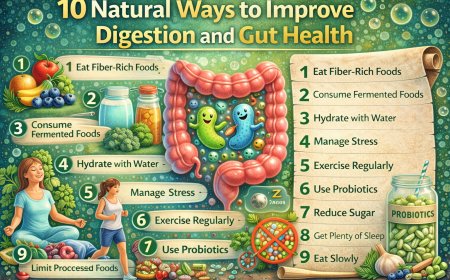
Food quality and digestion can also influence satiety, energy regulation, and long-term adherence. For more information, explore our gut microbiome health guide.
Many people describe metabolism as “fast” or “slow,” but metabolism is actually the total amount of energy your body uses to stay alive and active.
Metabolism includes basal metabolic rate, digestion-related energy expenditure, daily movement, exercise activity, and adaptive biological responses.
One of the biggest misconceptions is believing metabolism becomes permanently “broken.” In reality, metabolism adapts dynamically to body weight, calorie intake, activity levels, sleep quality, and hormonal regulation.
This is why aggressive dieting often backfires. Severe restriction may reduce energy expenditure, increase hunger signaling, lower recovery quality, and reduce long-term adherence.
Sustainable nutrition strategies usually focus more on consistency, adequate protein intake, movement, resistance training, and realistic calorie control instead of extreme restriction.
For a deeper breakdown of metabolic rate, adaptive slowdown, and practical lifestyle strategies, see our metabolism optimization guide.
Macronutrients are not “good” or “bad.” Protein, carbohydrates, and fats all play different biological roles inside the body.
Protein supports muscle retention, recovery, immune function, and satiety. Carbohydrates primarily fuel performance, brain function, and training intensity. Dietary fats support hormones, cellular integrity, and nutrient absorption.
Problems often appear when people push one macronutrient to an extreme while eliminating another entirely.
Extremely low-carb diets may reduce training performance and sustainability for some individuals, while extremely low-fat diets may negatively affect hormonal balance and satiety.
Long-term nutrition consistency usually works better when macronutrients are balanced around lifestyle, activity level, recovery needs, and adherence capacity.
Different dietary approaches can work depending on adherence, calorie control, and long-term sustainability. You can explore this further in our evidence-based diet strategies guide.
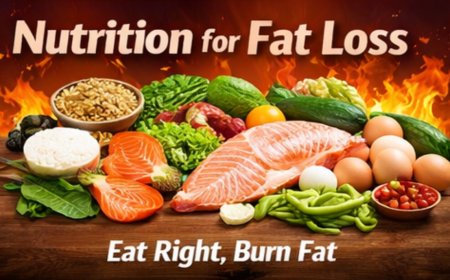
Fat loss requires sustained calorie deficit. However, aggressive restriction often triggers metabolic adaptation.
For a deeper explanation of calorie balance, fat loss plateaus, and why aggressive restriction often fails, read our science of fat loss guide.
One of the most common mistakes is treating nutrition as a short-term punishment instead of a long-term behavioral system.
Sustainable progress usually depends more on consistency and adherence than on temporary intensity.
Many people jump into advanced supplements, restrictive diets, or extreme fat loss plans before understanding basic nutrition principles.
Long-term results usually depend more on calorie balance, protein intake, nutrient density, recovery, and consistency than on extreme dieting trends.
Many sustainable fat loss strategies focus more on realistic routines, consistency, and gradual progress instead of extreme restriction. For a broader framework, read our science-based fat loss guide.
Macronutrients: The Energy System
Protein
Carbohydrates
Fats
Micronutrients: The Hidden Deficiency Problem
Metabolism Explained
Why Nutrient Density Matters More Than Most People Think
Why Metabolism Is Commonly Misunderstood
Why Macronutrient Balance Matters
Calorie Deficit: What Actually Matters
Common Beginner Nutrition Mistakes
Most Nutrition Problems Start With Missing Fundamentals
Who Should Focus on Nutrition Fundamentals?
Internal Authority Links
There are dozens of trending diet models. But evidence based diet strategies consistently revolve around similar principles.
All successful diets share one common mechanism: sustained calorie deficit.
Improves satiety and preserves lean mass during fat loss.
Useful for appetite regulation, but not metabolically superior to calorie control.
Strong cardiovascular evidence and long-term sustainability.
Structured systems like smoothie-based plans can increase compliance short-term but require long-term transition.
Evidence-Based Diet Strategies for 2026
1. Calorie Control
2. High Protein Dieting
3. Intermittent Fasting
4. Mediterranean Diet
5. Meal Replacement Plans
Comparison Table
Diet Model
Fat Loss Speed
Sustainability
Muscle Retention
Calorie Tracking
Moderate
High
High
Intermittent Fasting
Moderate
Moderate
Moderate
Meal Replacement
Fast (initial)
Low-Moderate
Variable
Mediterranean
Slow-Moderate
High
High
Internal Authority Links
The science of weight loss is frequently misunderstood. Fat loss is not about willpower — it is about energy balance and biological adaptation.
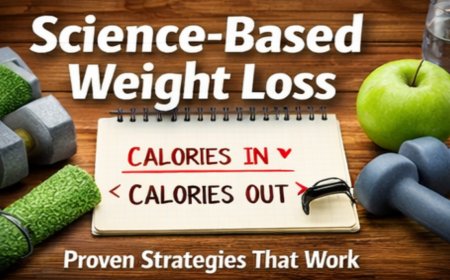
Calories in vs calories out remains biologically valid.
As body weight drops, energy expenditure decreases. This is why aggressive dieting often stalls.
Science of Weight Loss: What Works & Why
Energy Balance Model
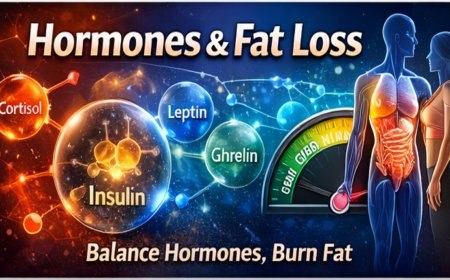
Hormonal Regulation
Metabolic Adaptation
Why Most Diets Fail
Long-Term Success Framework
Internal Authority Links
FAQ
What are macronutrients?
Macronutrients are protein, carbohydrates, and fats — the three primary nutrient groups the body uses for energy, recovery, and biological function.
What are micronutrients?
Micronutrients include vitamins and minerals that support metabolism, immunity, recovery, hormone regulation, and overall health.
Can metabolism become permanently damaged?
Metabolism adapts dynamically to calorie intake, body weight, activity, and recovery, but it is not permanently “broken” in most healthy individuals.
Why is protein important for fat loss?
Protein supports satiety, muscle retention, recovery, and adherence during calorie restriction.
Are carbohydrates bad for fat loss?
No. Carbohydrates primarily support energy, training performance, and recovery. Problems usually come from excess calories and poor food quality rather than carbs alone.
Why do crash diets often fail?
Crash diets are difficult to sustain long term and may increase hunger, metabolic adaptation, fatigue, and rebound eating behaviors.