Gut Microbiome Health Guide: How to Restore Your Gut Naturally
Learn how to restore gut microbiome health naturally with probiotics, prebiotics, nutrition, lifestyle changes, and science-backed gut health strategies for better digestion, immunity, and wellness.
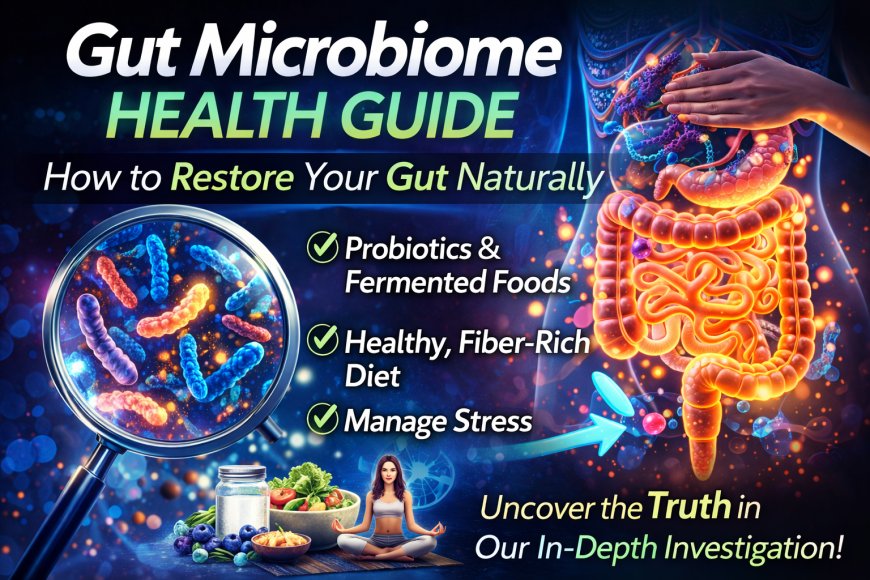
Gut Microbiome Health Guide: How to Restore Your Gut Naturally
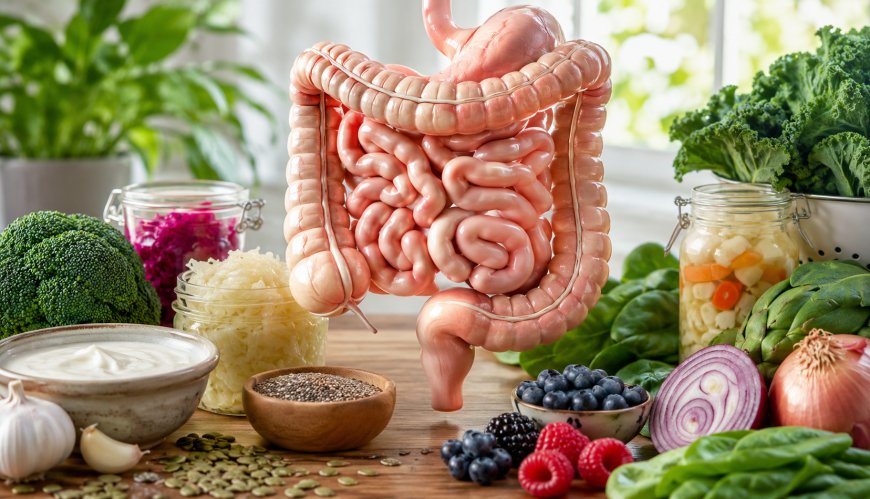
Your gut microbiome plays a critical role in digestion, immunity, metabolism, inflammation balance, skin health, and overall wellness. Over the past decade, research has shown that the trillions of microorganisms living inside the digestive tract influence far more than digestion alone.
When the gut microbiome is balanced, digestion runs more smoothly, nutrients are absorbed more efficiently, and the body is better equipped to maintain immune and metabolic balance. But when the microbiome becomes imbalanced, issues such as bloating, digestive discomfort, fatigue, irregular bowel movements, food sensitivity, and low energy may become more noticeable.
This complete gut microbiome health guide explains what the gut microbiome is, why it matters, what damages it, and how to restore gut health naturally through food, lifestyle habits, and targeted support.
If your goal is better digestion, less bloating, and long-term wellness, you may also find these related guides helpful: improve digestion naturally, probiotics for weight loss, and gut health and weight loss explained.
Table of Contents
- What Is the Gut Microbiome?
- Why Gut Health Is Important
- Why Microbiome Diversity Matters
- Signs of an Unhealthy Gut
- What Damages the Gut Microbiome?
- Foods That Harm Gut Health
- How to Restore Gut Microbiome Naturally
- Best Foods for Gut Microbiome Health
- Supplements That Support Gut Health
- Gut-Brain Axis and Mental Well-Being
- Daily Habits for a Healthy Microbiome
- How Long Does It Take to Restore Gut Health?
- Pros & Cons
- Related Gut Health Guides
- FAQ
Gut Health Support Programs
Discover science-based gut health solutions designed to support digestion, microbiome balance, and overall wellness.
- ✔ Improve digestion naturally
- ✔ Restore healthy gut bacteria
- ✔ Reduce bloating and discomfort
- ✔ Support microbiome balance
What Is the Gut Microbiome?
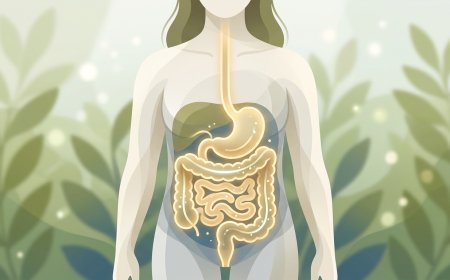
The gut microbiome refers to the community of microorganisms living inside the digestive tract. These microorganisms include bacteria, fungi, viruses, and other microbes that coexist within the gastrointestinal system.
Many of these microbes play beneficial roles in digestion, immune signaling, nutrient metabolism, and intestinal barrier function. A healthy gut microbiome helps break down food, produce certain vitamins, support short-chain fatty acid production, and regulate how the body responds to internal and external stressors.
Without a balanced microbiome, the body may struggle to process nutrients efficiently. This can lead to digestive discomfort, bloating, irregular bowel movements, and broader wellness issues.
Why Gut Health Is Important
Gut health affects far more than digestion. A balanced microbiome supports several major systems throughout the body.
Digestion and Nutrient Absorption
Beneficial gut bacteria help break down complex carbohydrates, fibers, and proteins. These bacteria also support the production of short-chain fatty acids, which help nourish the cells lining the colon.
Immune System Support
A large part of immune activity is connected to the gut. Healthy gut bacteria help the immune system recognize harmful pathogens while avoiding unnecessary inflammatory responses.
Gut Health and Metabolism
The gut microbiome may also support metabolic health by influencing digestion, nutrient absorption, appetite signals, inflammation balance, and blood sugar response.
If weight management is part of your goal, read our metabolic health guide, nutrition for fat loss guide, and blood sugar and fat loss guide.
Why Microbiome Diversity Matters
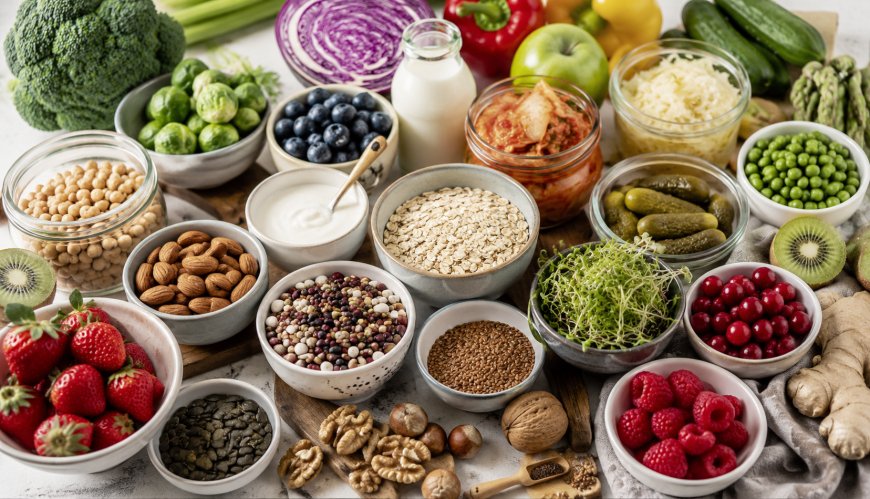
Microbiome diversity means having a wide variety of beneficial bacteria and other microorganisms living in the gut. This diversity is important because different microbes perform different functions.
A diverse microbiome is generally more resilient. It can adapt better to dietary changes, stress, travel, illness, and occasional disruptions. A low-diversity microbiome may be more vulnerable to imbalance, digestive discomfort, and reduced gut resilience.
One of the best ways to support microbiome diversity is to eat a wide range of plant foods. Vegetables, fruits, legumes, whole grains, nuts, seeds, herbs, and fermented foods all provide different types of fibers and plant compounds that nourish beneficial bacteria.
Signs of an Unhealthy Gut

An imbalanced microbiome can cause a wide range of symptoms. Some of the most common warning signs include digestive discomfort, bloating, irregular bowel movements, and chronic fatigue.
Because the microbiome influences many body systems, symptoms can also appear outside the digestive tract.
Common Gut Imbalance Symptoms
- Frequent bloating
- Digestive discomfort
- Gas and stomach cramps
- Constipation or diarrhea
- Food sensitivities
- Low energy levels
- Skin issues
- Cravings for sugar or processed foods
If you experience several of these symptoms, it may indicate a microbiome imbalance. Our detailed article on microbiome imbalance symptoms explains the warning signs in more detail.
What Damages the Gut Microbiome?
Modern lifestyles often disrupt the delicate balance of gut bacteria. Several factors may contribute to microbiome damage.
Processed Food Diets
Diets high in refined sugar, low-quality fats, and ultra-processed foods may reduce beneficial bacteria and lower microbiome diversity over time.
Low Fiber Intake
Fiber serves as fuel for beneficial gut bacteria. Without enough fiber in the diet, beneficial bacteria have less material to ferment and fewer resources to support gut balance.
Antibiotic Overuse
Antibiotics can be life-saving when medically necessary, but they may also reduce beneficial bacteria along with harmful pathogens. This is one reason gut support is often important after antibiotic use.
Chronic Stress
Stress hormones influence digestion, gut motility, and the gut-brain axis. Long-term stress can negatively affect microbiome balance and digestive comfort.
Poor Sleep
Sleep plays a major role in hormone regulation, inflammation control, appetite signals, and digestive rhythm. Poor sleep may make it harder to maintain gut and metabolic balance.
For more on this connection, read our guide on sleep and gut health.
Foods That Harm Gut Health

Some foods and dietary patterns may make gut imbalance worse when consumed too often. The goal is not perfection, but reducing the foods that consistently disrupt digestion and replacing them with more microbiome-supportive choices.
Ultra-Processed Foods
Packaged snacks, fast food, processed meats, refined desserts, and low-fiber convenience foods often lack the nutrients and fibers that beneficial bacteria need.
Refined Sugar
High sugar intake may encourage an unhealthy gut environment and reduce diet quality. Replacing sugary foods with whole fruits, fiber-rich carbohydrates, and protein-balanced meals can support better digestive stability.
Excess Alcohol
Alcohol can irritate the digestive tract and may negatively affect microbial balance when consumed frequently or excessively.
Artificial Additives and Low-Fiber Diets
A diet that is high in additives but low in whole foods may not provide enough prebiotic fiber or plant diversity to support beneficial bacteria.
How to Restore Gut Microbiome Naturally
The gut microbiome is highly adaptable. With the right nutrition and lifestyle habits, it is possible to rebuild beneficial bacteria populations and improve digestive resilience over time.
Restoring gut health usually involves three key strategies:
- Improving overall diet quality
- Increasing fiber and plant diversity
- Supporting beneficial bacteria through fermented foods, prebiotics, and healthy daily habits
For a complete step-by-step plan, see our detailed guide on how to restore gut microbiome naturally.
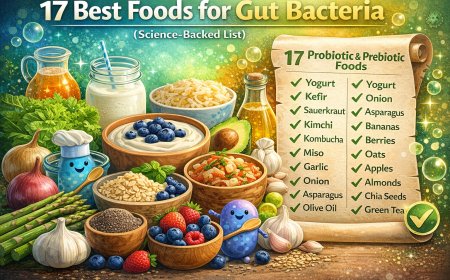
Best Foods for Gut Microbiome Health
Nutrition is one of the most powerful tools for rebuilding the gut microbiome. The bacteria living inside the digestive tract feed primarily on dietary fiber and plant compounds. When the diet contains diverse, whole foods, beneficial bacteria are better supported.
Fermented Foods
Fermented foods naturally contain beneficial bacteria known as probiotics. These foods may introduce helpful microbes into the digestive system and support bacterial diversity.
- Yogurt with live cultures
- Kefir
- Sauerkraut
- Kimchi
- Miso
- Kombucha
High-Fiber Foods
Dietary fiber acts as fuel for beneficial gut bacteria. When bacteria ferment fiber in the colon, they produce short-chain fatty acids that support intestinal health.
- Whole grains
- Legumes
- Vegetables
- Fruits
- Nuts and seeds
Prebiotic Foods
Prebiotics are special types of fiber that feed beneficial gut bacteria. Unlike probiotics, which introduce new microbes, prebiotics nourish the bacteria already living in the gut.
- Garlic
- Onions
- Leeks
- Asparagus
- Bananas
- Chicory root
For more food-based support, read our guide on best foods for gut bacteria.
Support Your Gut Health Naturally
Many people combine a healthy diet with targeted microbiome supplements to improve digestion and restore gut balance.
- ✔ Support healthy gut bacteria
- ✔ Improve digestive comfort
- ✔ Reduce bloating
- ✔ Promote microbiome balance
Supplements That Support Gut Health
While diet forms the foundation of gut health, some people also use supplements to support microbiome recovery, digestive comfort, and gut balance.
Important: Supplements should not replace a balanced diet or medical care. If you have a digestive condition, take medication, are pregnant, or experience persistent symptoms, speak with a qualified healthcare professional before using any supplement.
Probiotic Supplements
Probiotics contain live microorganisms that may support digestive balance. These supplements are commonly used to help with bloating, digestive discomfort, irregular bowel movements, and microbiome imbalance.
If bloating is a major concern, read our guide on probiotics for bloating and digestive health.
Digestive Enzymes
Digestive enzymes help the body break down proteins, fats, and carbohydrates more efficiently. These enzymes may support individuals who struggle with digestion or nutrient absorption.
Microbiome Support Supplements
Some modern supplements are designed specifically to support both the gut microbiome and digestive health. These formulas may combine probiotics, prebiotics, digestive support nutrients, and plant-based compounds.
To see how one popular microbiome supplement works, read our detailed Prime Biome reviews.
You can also compare similar gut support products in our Biome vs other gut health supplements guide and Renew Ritual gut health benefits article.
Gut-Brain Axis: How Gut Health Affects Mood and Mental Well-Being

The gut and brain communicate through a complex network often called the gut-brain axis. This connection involves the nervous system, immune signaling, hormones, and microbial activity inside the digestive tract.
This is one reason digestive health may influence more than bloating or bowel regularity. Some people notice that poor digestion, stress, and low mood appear together. While gut health is not the only factor involved, supporting the microbiome may help create a stronger foundation for overall wellness.
Stress management, sleep, exercise, and a high-quality diet all support both digestive health and mental well-being. This is why a gut health plan should include lifestyle habits, not just food or supplements.
Daily Habits for a Healthy Microbiome
Diet alone does not determine gut health. Lifestyle habits also influence the balance of gut bacteria.
Prioritize Sleep
Sleep plays a critical role in regulating metabolism, hormone balance, appetite signals, and digestion. Poor sleep may negatively affect gut balance and increase inflammation pressure.
Exercise Regularly
Moderate physical activity supports healthy digestion, gut motility, and beneficial bacterial diversity.
Reduce Stress
Chronic stress can disrupt the gut-brain axis and alter microbiome balance. Stress management practices such as walking, breathing exercises, meditation, stretching, and consistent sleep may support digestive health.
Stay Hydrated
Proper hydration supports digestion, nutrient transport, and overall gut function. Drinking enough water each day helps maintain intestinal balance and supports healthy bowel movements.
How Long Does It Take to Restore Gut Health?
Restoring the gut microbiome is not an overnight process. The digestive system is a complex ecosystem that responds gradually to diet, lifestyle, stress levels, sleep quality, and supplementation.
Short-Term Improvements: 2–4 Weeks
When individuals begin eating more fiber-rich foods and fermented foods, beneficial bacteria often start responding within a few weeks. During this phase, some people may notice reduced bloating and improved digestion.
Medium-Term Changes: 1–3 Months
As beneficial bacteria continue to grow, the microbiome may become more balanced. Energy levels may improve and digestive symptoms may become less frequent.
Long-Term Microbiome Balance: 3–6 Months
Consistent healthy habits help establish long-term microbiome diversity. At this stage, the gut ecosystem may become more resilient and capable of maintaining balance.
Results vary from person to person. The most important factor is consistency.
Pros & Cons of Focusing on Gut Microbiome Health
Pros
- Improves digestion and nutrient absorption
- Supports immune system function
- Helps reduce bloating and digestive discomfort
- May support skin health and inflammation balance
- Encourages healthier eating habits
- Supports metabolic health indirectly
Cons
- Requires consistent dietary changes
- Results may take several weeks
- Individual responses may vary
- Some supplements may not work for everyone
- Gut health improvements depend on the full lifestyle pattern
Related Gut Health Guides
If you want to understand the full gut health cluster, start with these guides:
- Microbiome imbalance symptoms
- How to restore gut microbiome naturally
- Best foods for gut bacteria
- Best probiotics for bloating
- Improve digestion naturally
- Probiotics for weight loss
- Gut health and weight loss explained
- Best probiotic supplements for weight loss
FAQ
What is the gut microbiome?
The gut microbiome refers to the trillions of microorganisms living in the digestive tract. These microbes help break down food, support immunity, and influence many aspects of overall health.
How do I know if my gut microbiome is unhealthy?
Common symptoms of microbiome imbalance include bloating, digestive discomfort, irregular bowel movements, fatigue, food sensitivities, and low energy.
Can diet improve gut health?
Yes. A diet rich in fiber, fermented foods, and plant-based nutrients can help support beneficial gut bacteria and improve microbiome diversity.
Do probiotics help restore gut bacteria?
Probiotic supplements may support digestive balance by introducing beneficial microorganisms into the digestive system.
How long does it take to improve gut health?
Some people notice digestive improvements within a few weeks, but restoring full microbiome balance may take several months of consistent healthy habits.
What foods are best for gut microbiome health?
Fiber-rich foods, fermented foods, and prebiotic foods are among the best options for supporting microbiome diversity and digestive health.
Can gut health affect weight loss?
Gut health may support weight management indirectly by influencing digestion, nutrient absorption, appetite signals, inflammation balance, and metabolic health.
Can stress affect gut bacteria?
Chronic stress may negatively affect the gut-brain axis and alter microbiome diversity. Managing stress through sleep, exercise, and mindfulness may help support a healthier digestive system.
Start Supporting Your Gut Health Today
Many people combine healthy nutrition with targeted microbiome supplements to improve digestion and gut balance.