


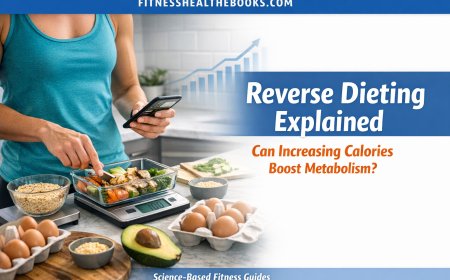












Reverse Dieting Explained: Can Increasing Calories Restore Your Metabolism?
Reverse dieting is a strategy that gradually increases calorie intake after weight loss to support metabolism recovery. Learn how reverse dieting works, who it helps, and whether it prevents fat regain.
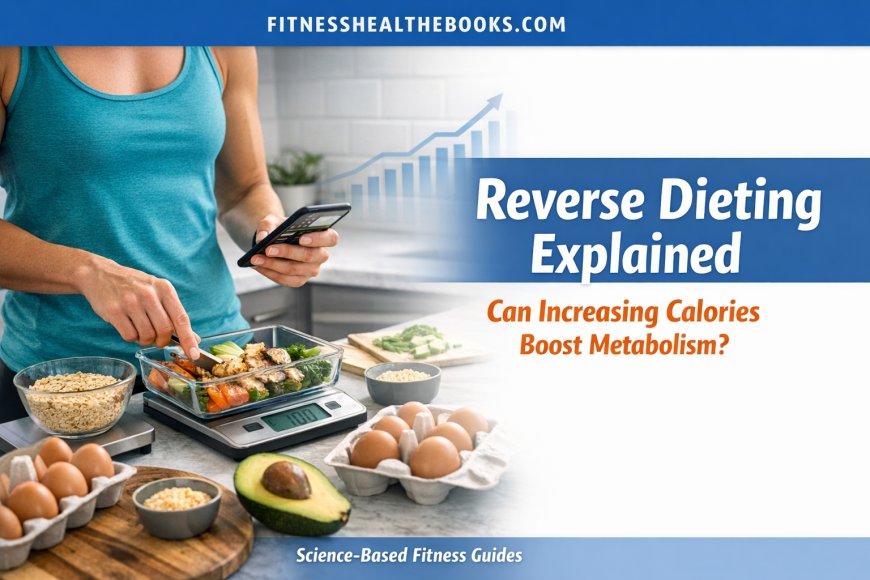
Reverse Dieting Explained: Can Increasing Calories Restore Your Metabolism?
After months of dieting and losing weight, many people fear increasing their calorie intake again. The common concern is simple: if you start eating more, won’t the weight immediately return?
This concern has led to the growing popularity of a strategy known as reverse dieting. The idea behind reverse dieting is to slowly increase calorie intake after a fat loss phase in order to restore metabolic rate while minimizing fat regain.
Reverse dieting has become particularly popular among athletes, bodybuilders, and individuals who have experienced metabolic slowdown after prolonged dieting.
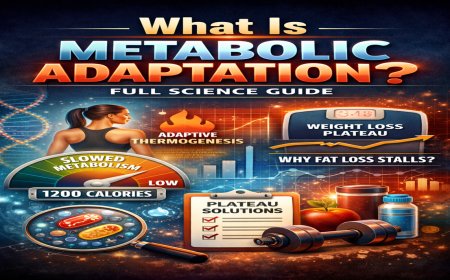
If you’re unfamiliar with the biological processes involved, it helps to first understand the science of metabolic adaptation, which explains how the body adjusts to long periods of calorie restriction.
What Is Reverse Dieting?
Reverse dieting is a nutritional strategy that gradually increases calorie intake after a period of calorie restriction. Instead of immediately returning to higher calorie levels, calories are slowly increased over several weeks.
The goal is to allow the metabolism to adjust gradually while reducing the likelihood of rapid fat regain.
A typical reverse diet may increase calories by:
- 50–150 calories per week
- primarily from carbohydrates or fats
- while maintaining consistent protein intake
This slow increase allows the body to adapt to higher energy intake more efficiently.
Why Metabolism Slows After Dieting
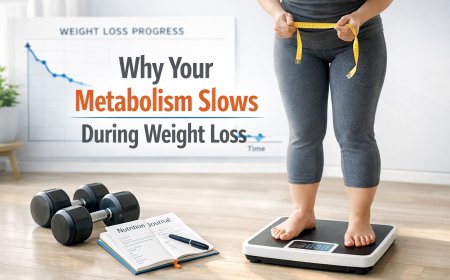
When you diet for an extended period, the body adapts to the reduced calorie intake. This process is often referred to as metabolic adaptation.
As body weight decreases and energy intake remains low, several physiological changes occur:
- Resting metabolic rate decreases
- Hormones that regulate hunger shift
- Energy efficiency increases
- Spontaneous movement decreases
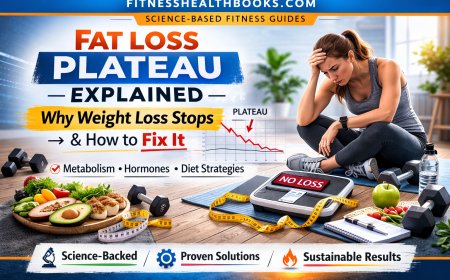
These adaptations can make continued fat loss increasingly difficult and contribute to the development of a fat loss plateau.
The Goal of Reverse Dieting
The primary objective of reverse dieting is to gradually restore calorie intake without triggering rapid fat regain.
Potential benefits may include:
- Improved metabolic rate
- Higher daily calorie allowance
- Better training performance
- Reduced hunger
- Improved hormonal balance
While the scientific research on reverse dieting is still evolving, many individuals report improved long-term weight management when transitioning out of a diet slowly.
Reverse Dieting vs Diet Breaks
Reverse dieting is often confused with diet breaks, but the two strategies serve different purposes.
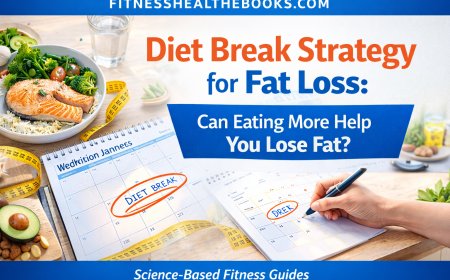
A diet break is a temporary increase in calorie intake during a fat loss phase, usually lasting one to two weeks.
Reverse dieting, on the other hand, typically occurs after the dieting phase has ended and focuses on gradually increasing calories to restore metabolic function.
How to Start a Reverse Diet
Implementing a reverse diet requires careful monitoring of calorie intake, body weight, and training performance.
A common approach includes the following steps:
1. Establish Your Current Calorie Intake
Begin with the calorie level you were consuming at the end of your diet.
2. Increase Calories Gradually
Add approximately 50–150 calories per week depending on individual response.
3. Track Body Weight
Monitor weight trends rather than day-to-day fluctuations.
4. Maintain Strength Training
Resistance training helps maintain lean muscle mass while increasing calorie intake.
5. Adjust Based on Progress
If weight increases too quickly, slow the calorie increase.
Does Reverse Dieting Actually Boost Metabolism?
One of the most common claims about reverse dieting is that it can “repair” metabolism.
In reality, metabolism naturally increases as calorie intake rises and body weight stabilizes. Reverse dieting simply attempts to manage this process in a controlled manner.
The strategy may help individuals avoid the rapid rebound weight gain that sometimes follows aggressive dieting.
Who Should Consider Reverse Dieting?
Reverse dieting may be most useful for individuals who:
- have completed a long fat loss phase
- are experiencing metabolic slowdown
- want to transition back to maintenance calories gradually
- are concerned about regaining weight quickly
However, it may not be necessary for everyone. Some people transition directly to maintenance calories without negative effects.
Common Mistakes With Reverse Dieting
While the strategy sounds simple, several common mistakes can reduce its effectiveness.
- Increasing calories too quickly
- Ignoring protein intake
- Reducing physical activity
- Stopping resistance training
- Focusing only on the scale rather than body composition
Maintaining consistent training and adequate protein intake is critical during the reverse dieting phase.
Frequently Asked Questions
Will reverse dieting prevent weight regain?
Reverse dieting may help control the rate of weight regain by gradually increasing calorie intake, but it does not guarantee that fat gain will be completely avoided.
How long should a reverse diet last?
A reverse diet can last several weeks to several months depending on the starting calorie level and the desired maintenance intake.
Do you need to track calories during reverse dieting?
Tracking calories can make the process easier because it allows gradual and controlled increases in energy intake.
Related Reading
Final Thoughts
Reverse dieting is a strategic way to transition out of a calorie deficit while attempting to minimize rapid fat regain. By slowly increasing calorie intake and maintaining consistent training habits, many individuals find it easier to stabilize their metabolism and maintain long-term weight loss.
Although the scientific evidence is still developing, reverse dieting remains a practical tool for individuals seeking a structured approach to post-diet nutrition.
What's Your Reaction?