




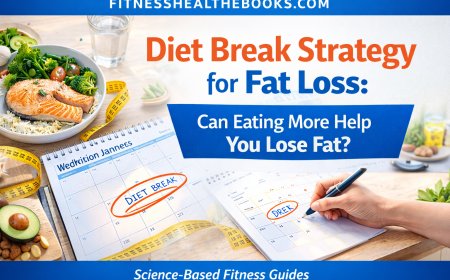












Diet Break Strategy: Can Eating More Help You Lose Fat?
Learn how diet breaks work, why they can help prevent metabolic slowdown, and how strategic calorie increases may improve long-term fat loss results.
Diet Break Strategy: Can Eating More Help You Lose Fat?
Traditional dieting advice often suggests that fat loss requires strict calorie restriction for long periods of time. However, modern research suggests that strategic increases in calorie intake—known as diet breaks—may actually support long-term weight loss.
A diet break is a planned short period where calorie intake is increased to maintenance levels after a period of calorie restriction. The goal is not to reverse progress but to help reduce the metabolic and psychological stress that long dieting phases can create.
If you're unfamiliar with how dieting affects metabolism, begin with our article explaining metabolic adaptation.
What Is a Diet Break?
A diet break is a structured pause from calorie restriction where daily calorie intake is temporarily increased to maintenance levels.
Unlike cheat days, diet breaks are:
- planned
- structured
- based on maintenance calories
- focused on nutrient-dense foods
The goal is to support metabolic health and improve adherence during long fat loss phases.
Why Long Diets Can Become Less Effective
Extended calorie restriction can trigger several physiological adaptations that make continued fat loss more difficult.
- Reduced metabolic rate
- Increased hunger hormones
- Lower energy levels
- Reduced training performance
These changes contribute to the common fat loss plateau that many dieters experience.
The Science Behind Diet Breaks
Research suggests that periodic increases in calorie intake may help mitigate some of the metabolic adaptations associated with long-term dieting.
When calories increase temporarily, the body may experience improvements in:
- leptin levels
- training performance
- psychological adherence
- diet sustainability
While diet breaks do not magically increase metabolism overnight, they may help reduce some of the hormonal pressures created by extended calorie restriction.
Diet Break vs Cheat Day
Many people confuse diet breaks with cheat meals or cheat days. However, the two approaches are very different.
Diet Break:
- planned and structured
- calories increased to maintenance
- nutritionally balanced meals
Cheat Day:
- uncontrolled calorie intake
- often excessive food consumption
- not structured or strategic
Diet breaks focus on metabolic and psychological recovery rather than indulgence.
How Long Should a Diet Break Last?
Most diet break protocols recommend increasing calories to maintenance for about 7–14 days after several weeks of dieting.
A common approach is:
- 6–8 weeks calorie deficit
- 1–2 weeks diet break
This cycle can help maintain consistency during long fat loss phases.
Benefits of Strategic Diet Breaks
1. Improved Diet Adherence
Long dieting periods can be mentally exhausting. Scheduled breaks may help individuals stay consistent over months rather than weeks.
2. Better Training Performance
Higher calorie intake temporarily restores glycogen levels, which can improve workout intensity and strength training performance.
3. Potential Hormonal Support
Diet breaks may temporarily increase leptin levels, a hormone involved in regulating appetite and energy balance.
4. Reduced Psychological Stress
Knowing that a break is planned can make dieting feel more manageable and sustainable.
How to Implement a Diet Break
If you're considering adding diet breaks into your strategy, follow these basic guidelines:
- increase calories to maintenance levels
- prioritize carbohydrates and protein
- continue resistance training
- avoid excessive overeating
Maintaining structure during the break ensures the strategy remains effective.
Do Diet Breaks Prevent Metabolic Slowdown?
Diet breaks may help reduce some of the metabolic stress associated with prolonged dieting, but they are not a guaranteed solution.
The most important factors for long-term fat loss remain:
- sustainable calorie deficits
- adequate protein intake
- resistance training
- good sleep habits
Sleep, in particular, plays an important role in appetite regulation and metabolic health. Learn more in our article on sleep and weight loss.
Related Reading
Final Thoughts
Diet breaks represent a flexible and sustainable strategy for managing long-term fat loss. Instead of viewing dieting as a continuous restriction, structured breaks allow the body and mind to recover periodically.
When combined with consistent training, balanced nutrition, and realistic calorie targets, diet breaks can help maintain momentum while reducing the risk of burnout during extended weight loss phases.
What's Your Reaction?