Metabolic Adaptation Guide: Why Dieting Stops Working
Learn what metabolic adaptation is, why metabolism slows during weight loss, and how to manage fat loss plateaus with science-based strategies.
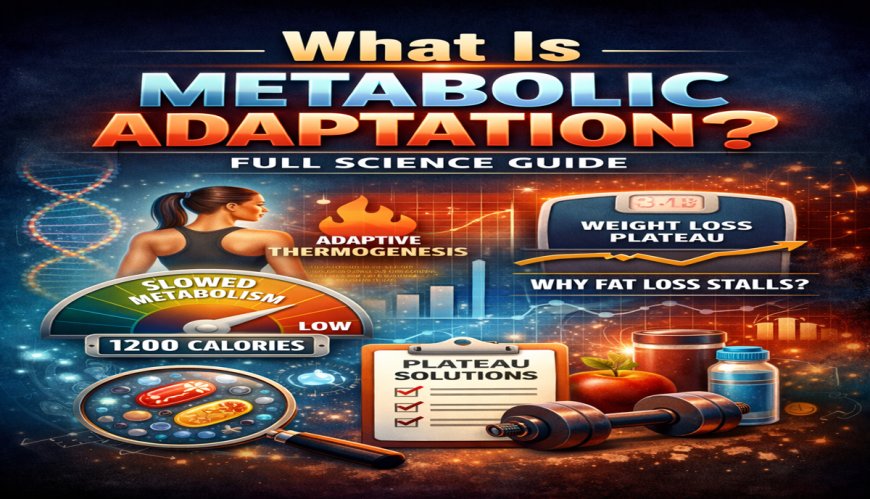
What Is Metabolic Adaptation? Full Science Guide
Many people start a fat loss phase and see progress quickly at first.
The scale drops. Clothes fit better. Motivation goes up.
Then something changes.
Even though calories stay low and training stays consistent, fat loss slows down. In some cases, it stops completely.
This is where many people assume they are doing something wrong.
But in many cases, the real issue is not discipline. It is metabolic adaptation.
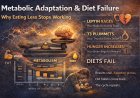
Metabolic adaptation is one of the most important concepts in long-term weight loss. It explains why the body does not always respond to dieting in a simple, linear way.
If you want sustainable fat loss, you need to understand how metabolism, calories, hormones, muscle mass, daily movement, sleep, and diet fatigue work together.
Science-Based Fat Loss Strategy
Build a smarter fat loss plan by understanding calories, metabolism, plateaus, hormones, protein, recovery, and long-term consistency.
- ✔ Understand metabolic adaptation
- ✔ Break fat loss plateaus safely
- ✔ Protect muscle while dieting
- ✔ Build a sustainable weight loss strategy
Table of Contents
- What Is Metabolic Adaptation?
- Why Does Metabolic Adaptation Happen?
- How Metabolic Adaptation Affects Fat Loss
- What Changes During Metabolic Adaptation?
- How to Know If Metabolic Adaptation Is Happening
- How to Reduce Metabolic Adaptation
- Diet Breaks and Reverse Dieting
- Metabolic Adaptation and Supplements
- Common Mistakes That Make Adaptation Worse
- Related Fat Loss Guides
- FAQ
What Is Metabolic Adaptation?
Metabolic adaptation is the reduction in energy expenditure that happens during weight loss.
In simple terms, your body starts burning fewer calories than expected as body weight drops and dieting continues.
This is one of the main reasons people eventually hit a fat loss plateau even when they stay consistent.
Metabolic adaptation does not mean your metabolism is broken. It means your body is adapting to lower energy intake and lower body weight.
This is a normal survival response. The body becomes more efficient when energy availability drops.
Why Does Metabolic Adaptation Happen?
The body becomes more efficient when energy intake drops.
- resting metabolic rate decreases
- daily movement decreases
- hunger increases
- training output drops
- body temperature may decrease
- diet fatigue increases
- cravings may become stronger
The longer and more aggressive the diet, the more noticeable these changes can become.
To understand the hormonal side of this, see our hormones and fat loss guide.
If you are unsure whether the issue is metabolism, calories, hunger, or tracking, also read why you're not losing fat.
How Metabolic Adaptation Affects Fat Loss
You Burn Fewer Calories
Your original calorie deficit becomes smaller over time.
For example, a calorie target that created weight loss in the first month may become less effective after your body weight drops and your daily movement decreases.
This is why fat loss often feels easier at the beginning and harder later.
You Feel Worse While Dieting
- more hunger
- less energy
- lower motivation
- more cravings
- poorer training performance
- less spontaneous movement
This is why long diets often fail. If you haven’t read it yet, check why dieting stops working.
For a complete beginner-friendly approach, use our beginner weight loss guide.
What Changes During Metabolic Adaptation?
Resting Metabolic Rate Drops
Resting metabolic rate is the energy your body uses at rest. As you lose weight, your body has less mass to maintain. That naturally lowers calorie burn.
In addition, dieting may cause adaptive reductions beyond what weight loss alone would predict.
NEAT Decreases
NEAT stands for non-exercise activity thermogenesis. It includes daily movement like walking, standing, cleaning, fidgeting, and general activity outside formal workouts.
When calories stay low for too long, people often move less without realizing it.
This hidden drop in movement can reduce your calorie deficit.
Hormonal Changes
Hormones that influence hunger, fullness, energy, and recovery may change during extended dieting.
This does not mean fat loss is impossible. It means the strategy needs to be realistic.
Training Output Drops
Low calories can reduce workout performance. If strength drops too much, muscle retention may suffer.
Preserving muscle becomes critical here.
See:
- how to lose fat without losing muscle
- optimal protein intake for fat loss
- calorie deficit and metabolic adaptation
How to Know If Metabolic Adaptation Is Happening
Metabolic adaptation is not always easy to identify because many things can look like a plateau.
- fat loss slows or stops
- energy drops
- hunger increases
- movement decreases
- training performance declines
- diet feels harder than before
- steps or daily activity quietly drop
- sleep quality gets worse
Always confirm it’s not just water fluctuation or poor tracking.
Before assuming your metabolism adapted, check food logging accuracy, weekend intake, sodium changes, menstrual cycle changes, sleep, stress, constipation, and water retention.
For a broader troubleshooting guide, read why people don’t lose weight even when they try.
How to Reduce Metabolic Adaptation
Use a Moderate Calorie Deficit
Extreme calorie deficits can create faster early weight loss, but they often increase hunger, fatigue, muscle loss risk, and diet burnout.
A moderate deficit is usually easier to maintain and may reduce the severity of adaptation.
If you need help setting calories, read how to calculate your daily calorie needs.
Keep Protein High
Protein helps preserve lean mass, supports fullness, and improves diet adherence.
This matters because muscle tissue contributes to daily energy expenditure.
Lift Weights
Resistance training helps signal the body to keep muscle during fat loss.
If you only cut calories without training, you may lose more lean mass than necessary.
For muscle-focused guidance, see our evidence-based muscle building guide.
Track Daily Movement
Many people reduce daily movement without noticing it.
Tracking steps can help you identify whether lower NEAT is contributing to your plateau.
Prioritize Sleep and Recovery
Poor sleep can increase hunger, cravings, fatigue, and poor food decisions.
It can also reduce training quality and make a calorie deficit feel harder.
Read sleep and weight loss for more detail.
Use Diet Breaks
Diet breaks may help reduce diet fatigue, improve adherence, and restore training performance for some people.
Learn more:
Use Reverse Dieting When Needed
Reverse dieting may help people transition out of long dieting phases without rapidly increasing calories too aggressively.
See reverse dieting explained.
Diet Breaks, Refeeds, and Reverse Dieting
Many people confuse diet breaks, refeed days, and reverse dieting. They are not the same thing.
- Diet break: A planned period at maintenance calories to reduce diet fatigue.
- Refeed day: A short-term increase in calories, usually from carbohydrates.
- Reverse dieting: A gradual calorie increase after a diet phase.
None of these are magic metabolism fixes. Their main value is helping people manage adherence, training output, hunger, and long-term consistency.
For plateau-specific strategy, read fat loss plateau explained.
Break Fat Loss Plateaus Smarter
Learn how to manage calorie deficits, metabolic adaptation, protein intake, diet breaks, and realistic long-term fat loss.
- ✔ Reduce diet fatigue
- ✔ Protect lean muscle
- ✔ Avoid extreme dieting
- ✔ Build a sustainable plan
Metabolic Adaptation and Supplements
Understanding this concept protects you from bad supplement marketing.
Most products cannot override biology.
No supplement can permanently bypass a calorie deficit, poor sleep, low protein, low movement, and poor consistency.
That said, some products may support energy, appetite control, digestion, or routine consistency. They should be seen as support tools, not replacements for strategy.
Before using any supplement, read:
best fat loss supplements guide
Then explore real product breakdowns like:
Common Mistakes That Make Metabolic Adaptation Worse
Cutting Calories Too Aggressively
Very low calories may create quick early progress, but they often increase hunger, fatigue, and rebound risk.
Ignoring Protein
Low protein intake can make muscle retention harder during weight loss.
Only Doing Cardio
Cardio can help increase calorie expenditure, but resistance training is important for protecting muscle.
Not Tracking Steps
A drop in daily movement can quietly erase part of your calorie deficit.
Expecting Supplements to Fix the Problem
Supplements may support your routine, but they cannot replace sleep, nutrition, training, and consistency.
Dieting Too Long Without Breaks
Long dieting phases can increase fatigue and reduce adherence. Planned maintenance phases may help some people continue successfully.
Related Fat Loss Guides
Use these guides to build a stronger weight loss strategy:
- Ultimate Fat Loss Guide
- Science-Based Weight Loss Guide
- Nutrition for Fat Loss
- Metabolism Optimization Guide
- Metabolic Health Guide
- Hormones and Fat Loss
- Fat Loss Plateau Explained
- Reverse Dieting Explained
- Do Diet Breaks Reset Metabolism
Final Takeaway
Metabolic adaptation is normal.
It is not failure.
It is feedback.
- use smarter deficits
- protect muscle
- manage recovery
- avoid extreme dieting
- track movement
- prioritize protein
- use diet breaks when needed
There is no magic solution. Results vary, and long-term success depends on consistency and strategy.
Build a Sustainable Weight Loss System
Stop guessing. Learn how calories, metabolism, protein, recovery, and plateaus fit together in a realistic fat loss plan.
- ✔ Science-based weight loss strategy
- ✔ Plateau troubleshooting
- ✔ Sustainable calorie deficit planning
- ✔ Better long-term consistency
Metabolic adaptation is only one part of the problem. Read why you're not losing fat to see all possible causes.
If you feel like you're doing everything right but still not seeing results, this guide explains the real reasons people don’t lose weight even when they try.
FAQ
What is metabolic adaptation?
Metabolic adaptation is the reduction in energy expenditure that can happen during weight loss. It means the body burns fewer calories as weight drops and dieting continues.
Is metabolic adaptation the same as a damaged metabolism?
No. Metabolic adaptation does not mean your metabolism is broken. It is a normal response to weight loss, lower energy intake, and reduced body mass.
Can metabolic adaptation stop fat loss?
It can contribute to fat loss plateaus by reducing total daily calorie burn, increasing hunger, lowering energy, and reducing daily movement.
How do you reduce metabolic adaptation?
You can reduce the impact by using moderate calorie deficits, keeping protein high, lifting weights, tracking daily movement, sleeping well, and using diet breaks when needed.
Do diet breaks reset metabolism?
Diet breaks do not magically reset metabolism, but they may help reduce diet fatigue, improve training performance, and support long-term adherence.
Can supplements fix metabolic adaptation?
No supplement can override metabolic adaptation by itself. Supplements may support energy, digestion, or routine consistency, but nutrition, training, sleep, and recovery remain the foundation.
How long does metabolic adaptation last?
The duration varies by person, diet length, body composition, activity level, and recovery habits. A structured maintenance phase may help some people feel and perform better.