Fat Loss Blueprint: The Hidden Science Behind Rapid & Sustainable Fat Burning (2026)
Discover the hidden science behind fat loss. Learn how to burn fat faster, break plateaus, and optimize metabolism with proven strategies backed by research.
Quick Answer
Science-based fat loss means losing body fat by using proven principles like energy balance, protein intake, strength training, NEAT, sleep, and long-term habit consistency. It is not about extreme dieting, detoxes, or quick hacks.
The most reliable fat loss strategy: create a moderate calorie deficit, preserve muscle, manage hunger, stay active, sleep well, and transition into maintenance properly.
Biggest mistake: trying to lose weight too fast, then regaining it because metabolism, hunger, and habits were ignored.
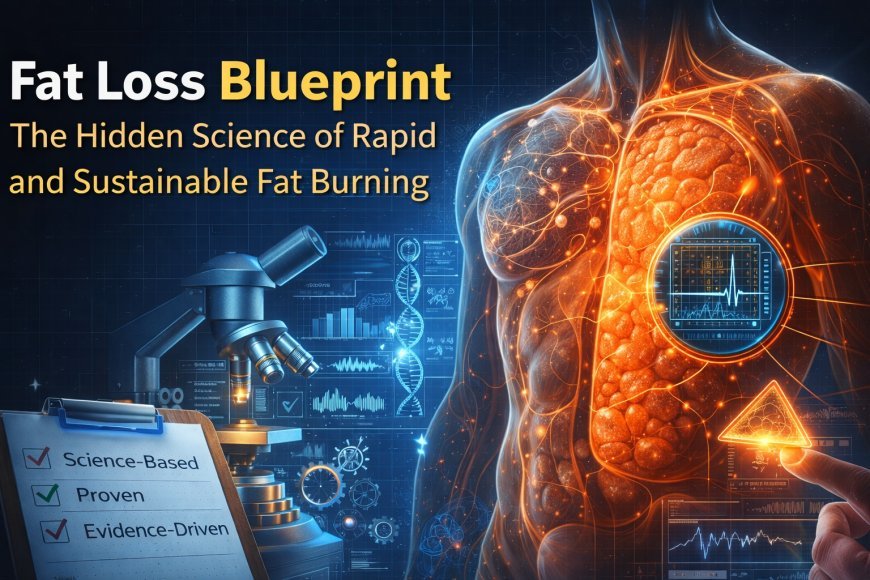
Science-Based Fat Loss Blueprint
A practical guide to losing fat, preserving muscle, breaking plateaus, and keeping results long term.
- ✔ Explains calorie deficit and metabolic adaptation
- ✔ Covers protein, strength training, sleep, and NEAT
- ✔ Includes advanced strategies like diet breaks and reverse dieting
- ✔ Built for sustainable fat loss, not short-term dieting
Table of Contents
- What Is Science-Based Fat Loss?
- Why Most Fat Loss Plans Fail
- The Biology of Fat Loss
- Energy Balance Explained
- Metabolic Adaptation
- Fat Loss Plateau
- Hormones and Fat Loss
- Why Muscle Preservation Matters
- Protein Intake and Fat Loss
- Advanced Fat Loss Strategies
- Sleep and Fat Loss
- Long-Term Maintenance
- FAQ
What Is Science-Based Fat Loss?
Science-based fat loss means reducing body fat by applying proven physiological principles instead of following trends or extreme diets.
It focuses on what actually controls fat loss:
- Energy balance
- Calorie deficit size
- Protein intake
- Muscle preservation
- Training quality
- Daily movement
- Sleep and recovery
- Metabolic adaptation
- Long-term adherence
This approach is different from fad dieting.
Fad diets often focus on restriction, fear, and quick results. Science-based fat loss focuses on sustainability, body composition, and long-term weight maintenance.
If you are following a plan but not seeing results, start with this guide: Why You're Not Losing Fat.
Why Most Fat Loss Plans Fail
Most fat loss plans fail because they are built around short-term control instead of long-term biology.
Common problems include:
- Calories are cut too aggressively
- Protein intake is too low
- Strength training is ignored
- Sleep is poor
- Daily movement drops
- Hunger becomes unmanageable
- The plan is too restrictive to maintain
People often think they failed because they lacked discipline.
In reality, the plan often failed because it was poorly designed.
For a deeper breakdown, read: Why Dieting Fails.
The Biology of Fat Loss
Fat loss is not random.
Your body stores and burns energy based on intake, expenditure, hormones, activity, sleep, and recovery.
The basic rule is simple: you lose fat when your body uses more energy than you consume over time.
But the process is not always easy because the body adapts.
That is why two people can follow similar diets and see different results.
Energy Balance Explained
Energy balance is the foundation of fat loss.
You lose fat when you consistently consume fewer calories than your body uses.
This is called a calorie deficit.
However, the size of the deficit matters.
| Deficit Type | Common Result | Risk |
|---|---|---|
| Small deficit | Slower but easier fat loss | Requires patience |
| Moderate deficit | Best balance for most people | Still requires consistency |
| Extreme deficit | Fast weight loss at first | Muscle loss, hunger, fatigue, rebound |
A moderate deficit is usually the best choice for sustainable results.
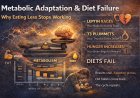
For more detail, see: Calorie Deficit and Metabolic Adaptation.
Metabolic Adaptation: Why Fat Loss Slows Down
Metabolic adaptation happens when your body reduces energy expenditure during weight loss.
As you lose weight, your body often burns fewer calories.
This can happen because:
- Your body mass is lower
- Your resting energy needs decrease
- Your daily movement may drop without you noticing
- Hunger hormones may increase
- Training performance may decline
This is not “damage.”
It is an adaptive response.
The mistake is ignoring it.
When metabolic adaptation appears, the solution is not always to cut calories harder. Sometimes the better strategy is adjusting activity, improving adherence, using a diet break, or reviewing your tracking accuracy.
Fat Loss Plateau: Why Progress Stops
A fat loss plateau happens when your progress stalls despite following the same routine.
This is common.
It does not always mean the plan stopped working. It may mean the plan now matches your new energy needs.
Common plateau causes include:
- Lower body weight
- Reduced calorie burn
- Lower NEAT
- Inaccurate food tracking
- Water retention
- Training fatigue
- Poor sleep
Plateaus should be analyzed, not feared.
Read the full guide here: Fat Loss Plateau Explained.
Need a Complete Fat Loss Roadmap?
Read the full step-by-step guide for sustainable fat loss and long-term results.
Hormones and Fat Loss
Hormones do not override energy balance, but they can influence hunger, energy expenditure, recovery, and adherence.
Important hormones involved in fat loss include:
- Leptin
- Ghrelin
- Insulin
- Cortisol
- Thyroid hormones
As dieting continues, hunger may increase while energy expenditure decreases.
This is one reason why aggressive diets are difficult to maintain.
For a deeper discussion, see: Hormones and Fat Loss
Why Muscle Preservation Matters
One of the biggest mistakes people make during fat loss is focusing only on body weight.
The goal is not simply to weigh less.
The goal is to lose fat while preserving muscle.
Maintaining muscle supports:
- Metabolic health
- Strength
- Physical appearance
- Long-term weight maintenance
- Healthy aging
Rapid dieting often increases the risk of muscle loss.
That is why resistance training and adequate protein intake are so important.
See: How to Lose Fat Without Losing Muscle
Protein Intake and Fat Loss
Protein is one of the most important nutrients during a calorie deficit.
Adequate protein intake may help:
- Preserve muscle mass
- Increase satiety
- Support recovery
- Improve body composition
Many successful fat loss plans prioritize protein because it makes dieting easier and more sustainable.
For more detail, read: Optimal Protein Intake Guide
Advanced Fat Loss Strategies
Once the basics are mastered, advanced strategies may help improve long-term adherence.
These approaches are not magic.
They are tools.
Diet Breaks
Diet breaks involve temporarily increasing calories to maintenance levels.
Potential benefits include:
- Reduced psychological fatigue
- Improved training performance
- Better long-term adherence
- Improved hunger management
Learn more here: Diet Breaks Explained
Reverse Dieting
Reverse dieting focuses on gradually increasing calories after a fat loss phase.
Its primary goal is to help transition into maintenance while minimizing unnecessary weight regain.
See: Reverse Dieting Explained
Calorie Cycling
Some individuals prefer calorie cycling to improve flexibility and adherence.
This approach alternates calorie intake while maintaining weekly energy balance.
For some people, flexibility improves sustainability.
Nutrient Timing
Meal timing is less important than total calorie intake and protein intake.
However, nutrient timing may support:
- Training performance
- Recovery
- Appetite control
The basics still matter more.
Sleep and Fat Loss
Sleep is one of the most underrated factors in body composition.
Poor sleep may influence:
- Hunger
- Cravings
- Recovery
- Training performance
- Energy expenditure
Sleep deprivation often makes dieting harder.
Not because fat loss becomes impossible.
But because adherence becomes more difficult.
Read: Sleep and Weight Loss
Strength Training vs Cardio
Both forms of exercise are useful.
| Strength Training | Cardio |
|---|---|
| Muscle preservation | Calorie expenditure |
| Improves body composition | Improves cardiovascular health |
| Supports metabolism | Increases activity levels |
For most people, combining both produces the best results.
Supplements and Fat Loss
Supplements may help support a fat loss plan, but they should never replace fundamentals.
The foundation remains:
- Calorie management
- Protein intake
- Strength training
- Sleep quality
- Consistency
Supplements are tools, not shortcuts.
Build Sustainable Fat Loss
Focus on habits that support results for years, not weeks.
The Maintenance Phase: The Most Important Stage Nobody Talks About
Most people focus entirely on losing weight.
But maintaining results is often harder than achieving them.
This is where many diets fail.
The maintenance phase helps your body and lifestyle adjust to a new normal.
Its goals include:
- Stabilizing body weight
- Reducing rebound risk
- Improving long-term adherence
- Supporting physical and mental recovery
- Creating sustainable habits
Successful fat loss is not finished when the diet ends.
That is when the real work begins.
Why Do People Regain Weight?
Weight regain is extremely common.
This does not mean people lack discipline.
Several factors contribute to regain:
- Metabolic adaptation
- Increased hunger
- Poor maintenance planning
- Loss of structure
- Returning to old habits
- Muscle loss during dieting
- Extreme calorie restriction
Many people treat dieting as a temporary project.
The body sees it differently.
Long-term success requires a long-term system.
Long-Term Fat Loss Success Principles
Science-based fat loss is built around sustainability.
The most successful individuals usually follow principles like:
- Moderate calorie deficits
- High protein intake
- Strength training
- Regular movement
- Quality sleep
- Stress management
- Patience and consistency
- Flexible eating habits
- Maintenance phases
None of these are exciting.
But together, they are powerful.
Why Realistic Expectations Matter
One of the biggest mistakes people make is expecting perfect progress.
Real fat loss is rarely linear.
Progress often includes:
- Plateaus
- Water retention
- Temporary fluctuations
- Diet fatigue
- Periods of slower progress
These experiences are normal.
They are not signs of failure.
Consistency matters more than perfection.
Final Thoughts
Science-based fat loss is not about shortcuts.
It is about understanding how the body works and using that knowledge to create habits that can be maintained for years.
The foundation remains simple:
- Energy balance
- Protein intake
- Strength training
- Sleep quality
- Daily movement
- Recovery
- Consistency
Extreme approaches may produce rapid results.
But sustainable approaches usually produce lasting results.
Results vary. Consistency matters.
Related Guides
- Ultimate Fat Loss Guide
- Why You're Not Losing Fat
- Why Dieting Fails
- Calorie Deficit and Metabolic Adaptation
- Fat Loss Plateau Explained
- How to Lose Fat Without Losing Muscle
- Optimal Protein Intake
- Diet Breaks Explained
- Reverse Dieting Explained
- Sleep and Weight Loss
Frequently Asked Questions
What is science-based fat loss?
Science-based fat loss uses proven principles such as energy balance, protein intake, strength training, sleep, and long-term adherence.
Is calorie deficit necessary for fat loss?
Yes. A calorie deficit remains the foundation of body fat reduction.
Why does fat loss slow down?
Metabolic adaptation, lower body weight, and reduced activity may all contribute.
What is a fat loss plateau?
A plateau occurs when progress slows or temporarily stops despite continuing the same plan.
How important is protein?
Protein supports muscle preservation, recovery, and satiety during dieting.
Does sleep affect fat loss?
Yes. Poor sleep can influence hunger, recovery, and adherence.
Is cardio necessary?
Cardio can help, but strength training and nutrition are equally important.
What are diet breaks?
Diet breaks are planned periods at maintenance calories designed to improve adherence and recovery.
What is reverse dieting?
Reverse dieting gradually increases calories after a fat loss phase to support maintenance.
Why do people regain weight?
Weight regain often occurs because maintenance strategies and long-term habits are neglected.
Can fat loss be maintained long term?
Yes. Sustainable habits and realistic expectations are key factors in maintaining results.