Hormones and Fat Loss: How Hormones Control Weight Gain and Fat Burning
Learn how hormones affect fat loss and weight gain. Discover the roles of insulin, cortisol, leptin, and ghrelin in metabolism and appetite control.
Hormones and Fat Loss (How Hormones Control Your Weight)
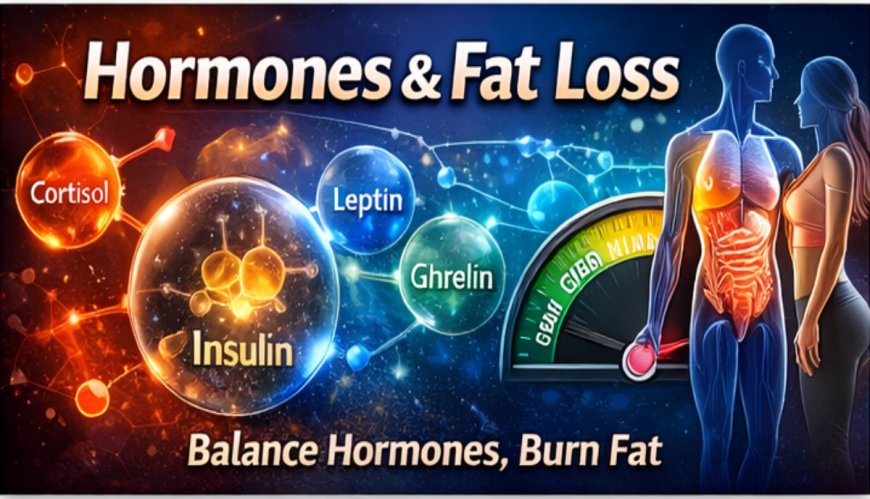
Hormones play a powerful role in body weight and fat storage. Many people focus only on calories, but hormones also influence hunger, metabolism, and overall energy balance.
When hormones are balanced, fat loss tends to become easier. When hormonal regulation is disrupted, weight gain can become more likely, even when someone is trying to diet.
Understanding the connection between hormones and fat loss can help you make better long-term decisions for weight management.
If you want to understand the fundamentals of fat burning first, start with our Ultimate Fat Loss Guide.
What Are Hormones?
Hormones are chemical messengers in the body. They travel through the bloodstream and help regulate many biological processes.
These processes include:
- metabolism
- appetite
- fat storage
- energy balance
- sleep cycles
Several hormones directly influence body weight and body composition.
Insulin and Fat Storage
Insulin is one of the most important hormones involved in metabolism.
The body releases insulin when carbohydrates are consumed. Insulin helps move glucose from the bloodstream into cells, where it can be used for energy.
However, chronically elevated insulin levels and insulin resistance may contribute to fat storage and make fat loss more difficult.
Healthy nutrition habits can help support better insulin balance.
To learn more about effective diet strategies, read our Nutrition for Fat Loss Guide.
Cortisol and Weight Gain
Cortisol is often called the stress hormone.
The body releases cortisol during stress. In the short term, cortisol can increase alertness and energy. But chronic stress may create problems.
High cortisol levels may contribute to:
- increased fat storage
- stronger cravings
- higher appetite
- disrupted sleep
Many studies associate chronically elevated cortisol with abdominal fat gain.
Managing stress is therefore an important part of healthy fat loss.
Leptin and Appetite Control
Leptin is often called the satiety hormone.
It helps signal to the brain when the body has enough stored energy and when appetite should decrease.
When leptin functions properly, hunger usually falls after eating. However, some people may develop leptin resistance.
Leptin resistance means the brain no longer responds effectively to leptin’s signals. This may contribute to:
- constant hunger
- overeating
- weight gain
Ghrelin: The Hunger Hormone
Ghrelin is the hormone most closely associated with hunger signals.
Ghrelin levels usually rise before meals and fall after eating.
Sleep deprivation and extreme dieting can increase ghrelin levels, which often leads to:
- increased hunger
- stronger cravings
- overeating
This is one reason extreme dieting often fails over time.
To understand how sleep affects these hormones, read our Sleep and Weight Loss Guide.
Thyroid Hormones and Metabolism
The thyroid gland plays a major role in controlling metabolic rate.
Thyroid hormones help regulate how quickly the body burns energy.
Low thyroid hormone levels may contribute to:
- slower metabolism
- fatigue
- weight gain
- difficulty losing fat
Thyroid health is therefore an important part of metabolic efficiency.
For a deeper explanation, read our Metabolism Optimization Guide.
Hormone Imbalance and Weight Gain
Hormonal imbalance can affect appetite, metabolism, and fat storage.
Common contributing factors include:
- chronic stress
- poor sleep
- an unhealthy diet
- a sedentary lifestyle
Improving daily lifestyle habits can help support better hormonal balance.
Lifestyle Habits That Support Hormone Balance
Healthy daily habits can improve hormone regulation.
Important habits include:
- regular physical activity
- balanced nutrition
- quality sleep
- stress management
These factors work together to support both hormone balance and metabolic health.
To understand the broader science behind sustainable weight reduction, read our Science-Based Weight Loss Guide.
Supplements and Hormonal Balance
Some supplements may support metabolism and hormonal balance when used alongside a healthy lifestyle.
Examples include:
- magnesium
- omega-3 fatty acids
- probiotics
- vitamin D
However, supplements should complement healthy habits, not replace them.
To explore broader supplement options, read our Best Fat Burning Supplements Guide.
You can also read one of our detailed supplement reviews here: Nitric Oxide Booster Review.
Hormones and Long-Term Fat Loss
Successful fat loss depends in part on balanced hormonal function.
When hormones work well, the body can regulate appetite, energy expenditure, and fat storage more effectively.
Long-term fat loss still depends on core fundamentals such as:
- nutrition
- exercise
- sleep
- stress management
These factors support both hormonal balance and metabolic health.
Final Thoughts
Hormones play a critical role in weight regulation.
They influence hunger, metabolism, and fat storage.
Understanding how hormones work helps you make better lifestyle choices over time.
Focus on:
- healthy nutrition
- quality sleep
- regular exercise
- stress reduction
These habits help support hormone balance and sustainable fat loss.
If you want to understand the full science behind fat burning, continue with our Ultimate Fat Loss Guide.