17 Best Foods for Gut Bacteria (Science-Backed List)
Discover the 17 best foods for gut bacteria backed by science. Learn how diet supports microbiome balance and digestive health.
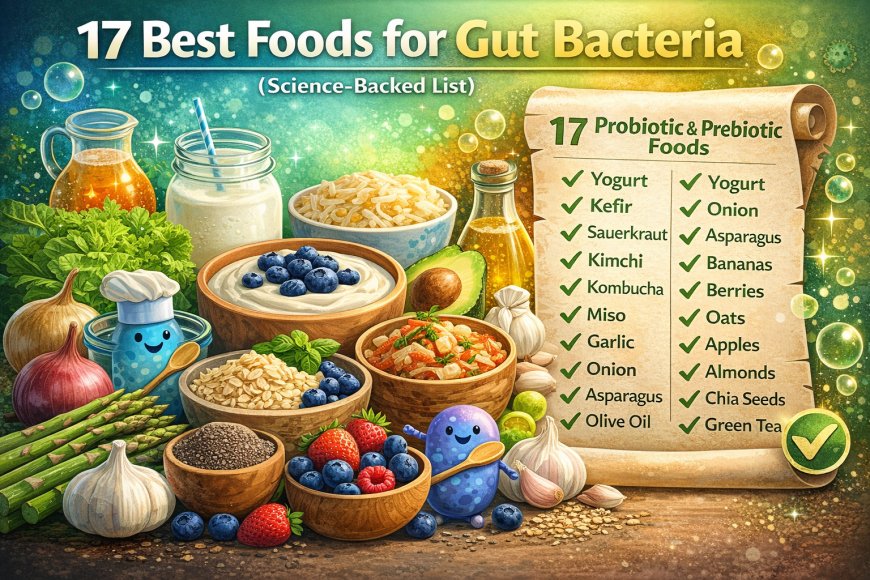
17 Best Foods for Gut Bacteria (Science-Backed List)
Your gut microbiome is home to trillions of microorganisms that influence digestion, immunity, metabolism, and even mental health. Supporting beneficial gut bacteria through diet is one of the most effective ways to improve digestive health naturally.
Scientific research shows that certain foods can help nourish beneficial bacteria, increase microbial diversity, and support the balance of the gut ecosystem.
In this guide, we explore the 17 best foods for gut bacteria backed by science.
If you want the full foundation first, read our gut microbiome health guide. If you already have bloating, fatigue, or digestive discomfort, also review our microbiome imbalance symptoms guide.
Table of Contents
- Why Gut Bacteria Matter
- 17 Best Foods for Gut Bacteria
- How to Build a Gut-Healthy Diet
- Should You Use Gut Supplements?
- Pros & Cons
- Related Gut Health Guides
- FAQ
Support Your Gut Microbiome
Advanced microbiome supplements help support beneficial bacteria and digestive balance.
- ✔ Improve gut bacteria diversity
- ✔ Support digestion
- ✔ Reduce bloating
- ✔ Promote gut-skin health
Why Gut Bacteria Matter
The gut microbiome is responsible for many essential processes in the body.
- Digesting complex carbohydrates
- Producing vitamins
- Supporting immune function
- Regulating inflammation
- Communicating with the brain
Maintaining healthy gut bacteria is one of the most important factors in long-term health.
Learn about the warning signs in our guide on microbiome imbalance symptoms.
Gut health may also influence appetite, digestion, nutrient absorption, and metabolic health. For more context, read gut health and weight loss explained and our metabolic health guide.
17 Best Foods for Gut Bacteria
1. Yogurt
Yogurt contains live probiotic cultures that help support beneficial gut bacteria.
2. Kefir
Kefir is a fermented dairy drink rich in probiotics and beneficial microorganisms.
3. Sauerkraut
This fermented cabbage dish provides probiotics and beneficial enzymes.
4. Kimchi
Kimchi contains beneficial bacteria and antioxidants.
5. Kombucha
Kombucha is a fermented tea containing probiotic bacteria.
6. Garlic
Garlic contains prebiotic compounds that feed beneficial gut bacteria.
7. Onions
Onions are rich in prebiotic fiber and polyphenols.
8. Bananas
Bananas contain resistant starch that feeds gut microbes.
9. Asparagus
Asparagus provides inulin, a powerful prebiotic fiber.
10. Oats
Oats are rich in beta-glucan fiber that supports gut bacteria.
11. Apples
Apples contain pectin fiber that promotes gut microbiome diversity.
12. Berries
Berries contain polyphenols that support beneficial microbes.
13. Olive Oil
Extra virgin olive oil contains compounds that support gut microbiome health.
14. Chia Seeds
Chia seeds provide fiber that feeds beneficial gut bacteria.
15. Almonds
Almonds contain prebiotic fiber and antioxidants.
16. Green Tea
Green tea polyphenols support beneficial bacteria.
17. Miso
Miso is a fermented soybean paste rich in probiotics.
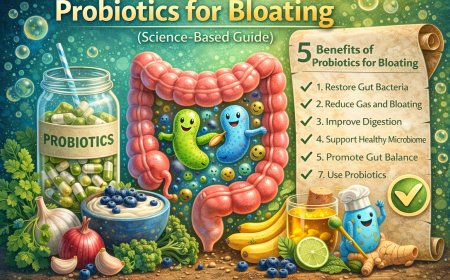
If bloating is your main issue, food changes may help, but some people also compare probiotic options. Read our guide on best probiotics for bloating.
Boost Your Gut Bacteria
Combine a gut-friendly diet with microbiome support supplements.
How to Build a Gut-Healthy Diet
A gut-friendly diet focuses on diversity and fiber-rich foods.
- Eat a wide variety of fruits and vegetables
- Include fermented foods
- Consume prebiotic fiber
- Limit processed foods
Read our science guide on how to restore gut microbiome naturally.
If your goal is also healthy weight management, build your diet around sustainable habits. Start with nutrition for fat loss and the science-based weight loss guide.
Should You Use Gut Supplements?
While diet plays the most important role, some people use microbiome supplements to support gut health.
These supplements often contain probiotics, prebiotics, and plant compounds designed to support gut balance.
Read our detailed Prime Biome review.
You can also compare similar gut-health support options in our Biome vs other gut health supplements guide and our Renew Ritual gut health benefits article.
Pros & Cons
Pros
- Supports gut microbiome diversity
- Improves digestion
- Reduces inflammation
- Supports immune health
Cons
- Diet changes require consistency
- Some fermented foods may cause sensitivity
Related Gut Health Guides
Use these related guides to strengthen your gut health routine:
- Gut Microbiome Health Guide
- Microbiome Imbalance Symptoms
- Restore Gut Microbiome Naturally
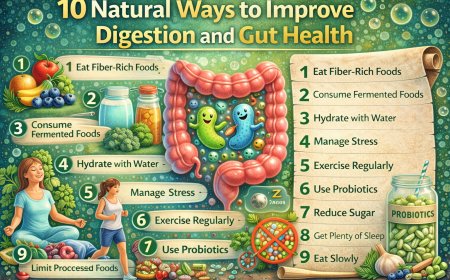
- Improve Digestion Naturally
- Best Probiotics for Bloating
- Probiotics for Weight Loss
- Gut Health and Weight Loss Explained
- Prime Biome Review
FAQ
What foods improve gut bacteria fastest?
Fermented foods like yogurt, kefir, kimchi, and sauerkraut help introduce beneficial bacteria.
Are bananas good for gut bacteria?
Yes. Bananas contain resistant starch and prebiotic fiber.
Do probiotics work?
Probiotics may help support beneficial bacteria when combined with a healthy diet.
How long does it take to improve gut microbiome?
Dietary changes may begin improving gut bacteria within a few weeks.
What are the best prebiotic foods for gut bacteria?
Garlic, onions, bananas, asparagus, oats, apples, and legumes are good prebiotic foods that help feed beneficial gut bacteria.
Are fermented foods good for gut health?
Yes. Fermented foods may support gut health by providing beneficial bacteria and compounds that help microbiome balance.
Can gut-friendly foods help with bloating?
Gut-friendly foods may help reduce bloating over time by supporting digestion, regularity, and microbiome balance. Results vary between individuals.