Best Probiotics for Bloating and Digestive Health (Science-Based Guide)
Discover the best probiotics for bloating and digestive health. Learn which probiotic strains may help reduce gas, improve digestion, and support gut balance naturally.
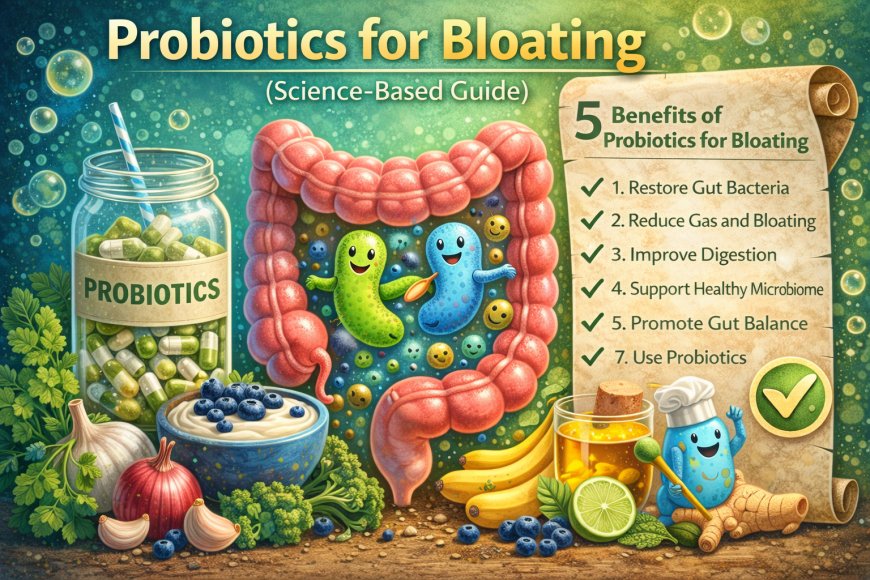
Best Probiotics for Bloating and Digestive Health (Science-Based Guide)
Bloating is one of the most common digestive complaints worldwide. Many people experience abdominal pressure, gas, or discomfort after eating. While occasional bloating can be normal, frequent bloating may indicate an imbalance in gut bacteria.
Research suggests that probiotics may help restore the balance of beneficial bacteria in the digestive system. These beneficial microorganisms can support digestion, reduce inflammation, and improve overall gut health.
In this science-based guide, we explore the best probiotics for bloating, how they work, and how they may support digestive health.
If you're new to gut health, start with our comprehensive Gut Microbiome Health Guide. Understanding the microbiome can help explain why symptoms like bloating, gas, and digestive discomfort occur.
Table of Contents
- What Causes Bloating?
- How Probiotics Help Reduce Bloating
- Best Probiotic Strains for Bloating
- Probiotic Foods for Digestive Health
- Do Probiotic Supplements Work?
- Pros & Cons
- Internal Links for Further Learning
- FAQ
Reduce Bloating & Support Gut Health
Discover microbiome-support supplements designed to help reduce bloating and support digestive balance.
- ✔ Support healthy gut bacteria
- ✔ Improve digestion
- ✔ Reduce bloating and gas
- ✔ Promote microbiome balance
What Causes Bloating?
Bloating often occurs when excess gas builds up in the digestive system. This may happen due to several factors including diet, digestive disorders, or gut microbiome imbalance.
Common causes of bloating include:
- Poor digestion of certain foods
- Gut bacteria imbalance
- Excess gas production
- Food sensitivities
- Slow digestion
If bloating happens frequently, it may indicate a gut imbalance. Learn more about the warning signs in our guide on microbiome imbalance symptoms.
How Probiotics Help Reduce Bloating
Probiotics are beneficial bacteria that support digestive balance. They work by improving the diversity of gut microbes and helping the body break down food more efficiently.
Scientific studies suggest probiotics may help:
- Reduce gas production
- Improve digestion
- Support gut microbiome balance
- Reduce inflammation in the digestive tract
When gut bacteria are balanced, digestion becomes more efficient and symptoms such as bloating may decrease.
Bloating is often connected to gut microbiome imbalance. If you frequently experience digestive discomfort, read our guide on how to restore gut microbiome naturally and learn how dietary habits can influence microbial diversity.
You may also benefit from learning about natural ways to improve digestion through food choices, hydration, stress management, and lifestyle improvements.
Best Probiotic Strains for Bloating
Lactobacillus Acidophilus
This probiotic strain is widely studied for digestive health. It helps break down lactose and supports gut balance.
Bifidobacterium Lactis
Bifidobacterium strains help improve digestion and may reduce abdominal discomfort.
Lactobacillus Plantarum
This probiotic strain is known for reducing gas and supporting intestinal health.
Bifidobacterium Infantis
Research suggests this strain may help reduce bloating associated with irritable bowel syndrome.
Probiotic Foods for Digestive Health
In addition to supplements, several foods naturally contain probiotics that support gut bacteria.
- Yogurt
- Kefir
- Sauerkraut
- Kimchi
- Kombucha
- Miso
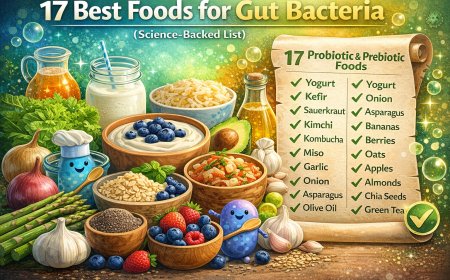
See our full list of best foods for gut bacteria.
Many probiotic-rich foods also contain nutrients that support overall gut health. For a complete list of science-backed options, explore our guide to the best foods for gut bacteria.
Do Probiotic Supplements Work?
Many people choose probiotic supplements to support digestive health and microbiome balance.
These supplements often contain multiple probiotic strains designed to support gut health.
Read our full Prime Biome review to learn how this supplement supports gut balance.
Some people use probiotic supplements not only for digestive comfort but also to support metabolism and healthy weight management. Learn more in our guide on probiotics for weight loss.
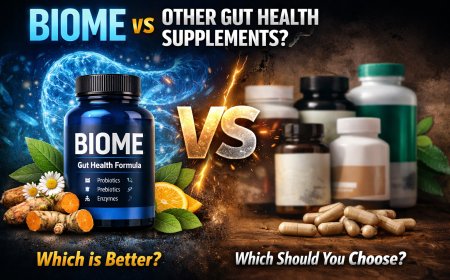
For supplement comparisons, read our Biome vs Other Gut Health Supplements guide.
You can also explore our detailed reviews:
Support Your Digestive Health
Advanced microbiome supplements may help reduce bloating and support gut balance.
Pros & Cons
Pros
- Supports gut microbiome balance
- May reduce bloating and gas
- Improves digestion
- Supports overall gut health
Cons
- Results may vary between individuals
- Some people may experience temporary digestive changes
Related Gut Health Guides
Continue learning about digestive health and microbiome balance:
- Gut Microbiome Health Guide
- Microbiome Imbalance Symptoms
- Restore Gut Microbiome Naturally
- Improve Digestion Naturally
- Best Foods for Gut Bacteria
- Gut Health & Weight Loss Explained
- Probiotics for Weight Loss
- Prime Biome Review
- Renew Ritual Gut Health Benefits
FAQ
Do probiotics help reduce bloating?
Research suggests probiotics may help balance gut bacteria and improve digestion, which can reduce bloating.
How long does it take probiotics to work?
Some people notice improvements within a few weeks, though results may vary.
Which probiotic strain is best for bloating?
Commonly studied strains include Lactobacillus acidophilus, Bifidobacterium lactis, and Lactobacillus plantarum.
Can diet reduce bloating?
Yes. Eating probiotic foods and fiber-rich foods may support digestive health.
Are probiotics safe for daily use?
Most probiotic supplements are generally considered safe for healthy adults when used as directed.
What foods naturally contain probiotics?
Yogurt, kefir, kimchi, sauerkraut, kombucha, and miso are among the most common probiotic-rich foods.
Can probiotics improve gut microbiome balance?
Probiotics may help support microbiome diversity and digestive health when combined with a healthy diet and healthy lifestyle habits.
Support Your Gut Microbiome
Discover supplements designed to support digestive balance.