10 Natural Ways to Improve Digestion and Gut Health
Discover 10 natural ways to improve digestion and gut health including diet, probiotics, lifestyle habits, and science-based gut health tips.
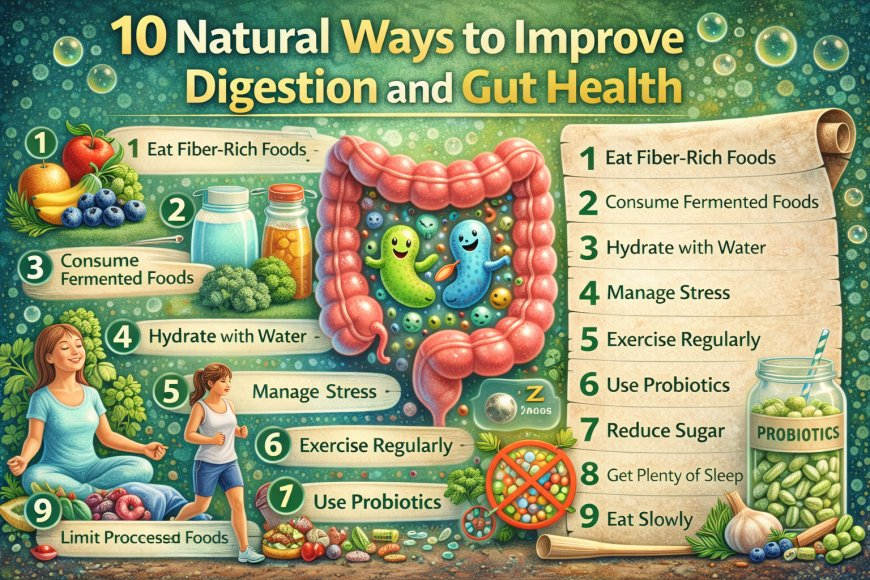
10 Natural Ways to Improve Digestion and Gut Health
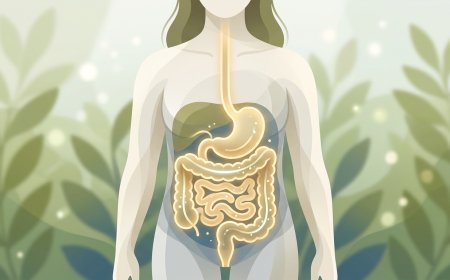
Digestive health plays a crucial role in overall wellbeing. The digestive system breaks down food, absorbs nutrients, supports immune function, and helps the body maintain steady energy.
When digestion works efficiently, the body can use nutrients more effectively. This may support energy, immunity, metabolic balance, and daily comfort.
However, many people experience digestive discomfort, including bloating, gas, irregular bowel movements, or stomach pain. In many cases, these symptoms are connected to lifestyle habits, diet quality, stress, hydration, sleep, and gut microbiome balance.
The good news is that simple lifestyle changes can significantly improve digestion. In this guide, we explore 10 natural ways to improve digestion and support long-term gut health.
If you are new to gut health, start with our gut microbiome health guide. If you already have bloating, fatigue, or irregular digestion, also read our microbiome imbalance symptoms guide.
Table of Contents
- Why Digestion Is Important
- 10 Natural Ways to Improve Digestion
- Best Foods for Digestive Health
- Do Digestive Supplements Help?
- Pros & Cons
- Related Gut Health Guides
- FAQ
Support Your Gut Health
Advanced microbiome supplements may help support digestion, gut bacteria balance, and daily digestive comfort.
- ✔ Support healthy gut bacteria
- ✔ Improve digestion naturally
- ✔ Reduce bloating and discomfort
- ✔ Promote microbiome balance
Why Digestion Is Important
The digestive system does much more than process food. It helps regulate immune health, hormone balance, nutrient absorption, inflammation, and even mental wellbeing.
When digestion becomes inefficient, the body may struggle to absorb nutrients properly. This can lead to symptoms such as fatigue, bloating, inflammation, constipation, loose stools, or nutrient deficiencies.
Digestion also connects closely with the gut microbiome. A balanced microbiome helps the body break down food, produce useful compounds, and maintain healthier gut function.
Learn more about gut imbalance in our article on microbiome imbalance symptoms.
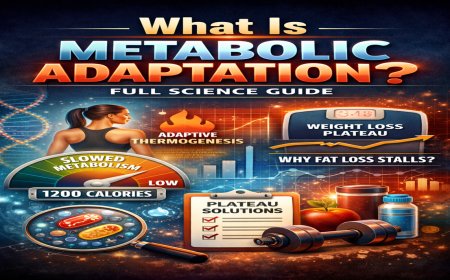
Gut health may also support metabolism and weight management indirectly. For more context, read gut health and weight loss explained and our metabolic health guide.
10 Natural Ways to Improve Digestion
1. Eat More Fiber
Fiber helps regulate digestion and supports beneficial gut bacteria. Whole grains, vegetables, fruits, beans, lentils, nuts, and seeds are excellent fiber sources.
Fiber also helps feed the gut microbiome. When beneficial bacteria ferment fiber, they produce compounds that may support colon health and digestive comfort.
2. Drink Enough Water
Hydration supports digestion by helping food move through the digestive system efficiently.
Not drinking enough water may contribute to constipation, sluggish digestion, and harder bowel movements. Aim for steady hydration throughout the day.
3. Eat Slowly
Eating slowly allows digestive enzymes to break down food more effectively.
Fast eating may increase swallowed air, overeating, and digestive discomfort. Slower meals give the body more time to signal fullness and start digestion properly.
4. Include Probiotic Foods
Foods such as yogurt, kefir, kimchi, sauerkraut, kombucha, and miso contain beneficial bacteria.
These foods may support microbiome diversity and digestive balance. Start slowly if you are not used to fermented foods.
5. Reduce Processed Foods
Highly processed foods can disrupt gut bacteria balance.
Frequent intake of refined sugar, low-fiber packaged foods, and artificial additives may reduce microbial diversity and worsen digestive discomfort in some people.
6. Manage Stress
Stress can negatively affect digestion through the gut-brain axis.
Chronic stress may alter gut motility, increase stomach discomfort, affect appetite, and disrupt microbiome balance. Walking, breathing exercises, meditation, and better sleep habits may help.
7. Exercise Regularly
Physical activity helps stimulate digestion and improve gut motility.
Moderate movement may also support microbial diversity and regular bowel habits. Even walking after meals can help some people feel less bloated.
8. Improve Sleep Quality
Poor sleep patterns can disrupt digestive hormones and gut bacteria.
Sleep also affects appetite, cravings, inflammation, and recovery. For a deeper look at the connection, read our sleep and weight loss guide.
9. Avoid Overeating
Large meals may slow digestion and cause discomfort.
Eating until comfortably satisfied instead of overly full can reduce pressure, gas, and bloating. Smaller balanced meals may be easier for sensitive digestion.
10. Support Gut Bacteria
Supporting beneficial bacteria is one of the most effective ways to improve digestion.
This includes fiber-rich foods, fermented foods, prebiotics, probiotics, sleep, stress control, and consistency.
Read our guide on how to restore gut microbiome naturally.
Best Foods for Digestive Health
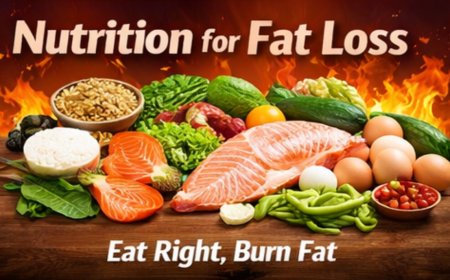
The best digestive-health foods usually contain fiber, water, probiotics, prebiotics, enzymes, or anti-inflammatory plant compounds.
- Yogurt
- Kefir
- Oats
- Bananas
- Garlic
- Ginger
- Leafy greens
- Apples
- Berries
- Chia seeds
- Legumes
- Fermented vegetables
See our complete list of best foods for gut bacteria.
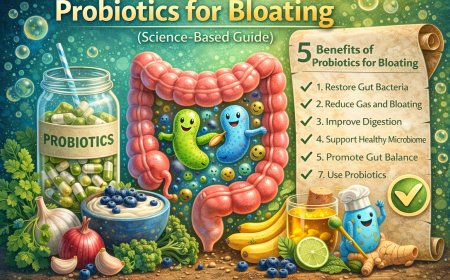
If bloating is a major problem, our guide on best probiotics for bloating may also help.
Do Digestive Supplements Help?
Some people use digestive enzymes, probiotics, prebiotics, or microbiome support supplements to support digestion and gut balance.
Supplements are not a replacement for a healthy diet. They work best when combined with fiber-rich foods, hydration, sleep, stress control, and regular movement.
Common digestive-support supplements include:
- Probiotics
- Prebiotic fiber
- Digestive enzymes
- Polyphenol-rich formulas
- Gut microbiome support blends
Read our full Prime Biome review.
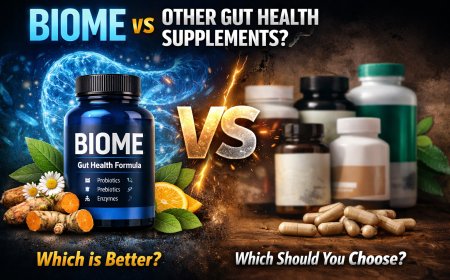
You can also compare similar gut-health options in our Biome vs other gut health supplements guide and our Renew Ritual gut health benefits article.
Support Your Digestive Health
Discover supplements designed to support digestion and microbiome balance.
Pros & Cons
Pros
- Improves digestive comfort
- Supports gut microbiome balance
- Helps reduce bloating
- Improves nutrient absorption
- Supports long-term wellness habits
- May improve regularity and daily comfort
Cons
- Requires consistent lifestyle changes
- Results may take time
- Some foods may not suit every person
- Supplements may not work the same for everyone
Related Gut Health Guides
Use these related guides to build a stronger digestive-health routine:
- Gut Microbiome Health Guide
- Microbiome Imbalance Symptoms
- Restore Gut Microbiome Naturally
- Best Foods for Gut Bacteria
- Best Probiotics for Bloating
- Probiotics for Weight Loss
- Gut Health and Weight Loss Explained
- Prime Biome Review
- Renew Ritual Gut Health Benefits
FAQ
How can I improve digestion naturally?
Eating fiber-rich foods, staying hydrated, eating slowly, managing stress, sleeping well, and supporting gut bacteria may improve digestion naturally.
Which foods improve digestion?
Foods such as yogurt, kefir, oats, bananas, ginger, leafy greens, apples, berries, and fermented vegetables are commonly used to support digestive health.
Does exercise help digestion?
Yes. Physical activity may improve gut motility, support regular bowel movements, and help reduce digestive sluggishness.
How long does it take to improve digestion?
Some improvements may occur within a few weeks, depending on diet quality, hydration, stress levels, sleep, and consistency.
Can probiotics improve digestion?
Probiotics may help support beneficial gut bacteria and digestive balance, especially when combined with fiber-rich foods and healthy lifestyle habits.
What causes poor digestion?
Poor digestion may be linked to low fiber intake, dehydration, stress, poor sleep, overeating, processed foods, food sensitivities, or microbiome imbalance.
Can gut health affect metabolism?
Gut health may support metabolism indirectly through nutrient absorption, inflammation balance, appetite signals, and microbiome diversity.