Best Home Workout Programs 2026: Science-Based Reviews & Comparisons
Compare the best home workout programs for fat loss, strength, women over 40, postpartum recovery, and bodyweight training using science-based fitness principles.
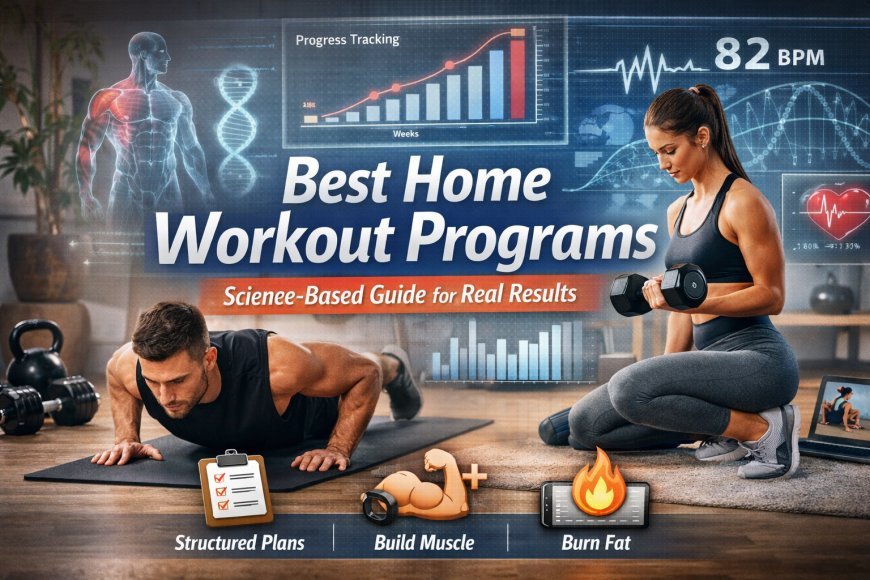
Choosing the best home workout program can be confusing because most plans promise similar results: fat loss, strength, toning, or better consistency.
This guide compares home workout programs from a practical, science-based perspective so you can understand which type of plan may fit your goal, schedule, recovery capacity, and equipment level.
Instead of ranking programs only by popularity, we focus on structure, progression, sustainability, and realistic long-term results.
Home workout programs have changed dramatically over the past decade.
What used to be simple bodyweight routines shared in forums has evolved into structured digital training systems built around progression, recovery, and practical adherence.
The question is no longer “Can you build muscle at home?” Because scientifically, the answer is yes.
The real question is this:
Which home workout programs are actually structured for long-term results?
A properly designed home training program should include:
Many programs promise fast results. Far fewer are built around physiological adaptation, training progression, and sustainability.
This guide evaluates home workout programs using science-based criteria, not hype.
Need a faster starting point?
If you want a broader platform-level view first, start with our digital fitness programs comparison and our top digital fitness programs 2026 ranking.
Not all digital fitness programs are built the same. Our evaluation framework is based on five core pillars:
Does the program align with established strength, hypertrophy, and conditioning principles?
Is there progression, recovery planning, and intelligent weekly design, or is it just a collection of random workouts?
Can the system work for beginners and intermediates, or is it too narrow in its design?
Can someone realistically follow it for 8 to 12 weeks or longer without burnout?
Do the outcomes users report match the structure and promises of the program?
Programs that fail in these areas may create short-term motivation, but not long-term results.
This is also why we frequently connect training reviews with deeper guidance on metabolic nutrition, protein intake, and muscle retention during fat loss.
Before choosing a plan, it helps to understand the major categories:
Focused on calisthenics, functional movement patterns, and no-equipment training progressions.
Uses dumbbells, bands, benches, or compact tools for more loading flexibility.
Structured online platforms that combine workouts, calendars, video coaching, and progress tracking.
Each style has advantages depending on your goal: fat loss, muscle gain, consistency, convenience, or movement quality.
For a more complete category-level comparison, also see our digital fitness programs comparison guide.
Below are some of the most useful review pages in this category. Each one covers structure, progression, pros and cons, and who the program fits best.
Best for: No-equipment home training, beginners, and users who want a structured bodyweight system.
This review breaks down whether a bodyweight-only program can realistically build muscle and support fat loss without relying on gym equipment. It also examines progression, training logic, and the real ceiling of bodyweight-based overload.
Read the full bodyweight home workout review
Best for: Joint-friendly strength training, recovery-aware programming, and sustainable body composition goals after 40.
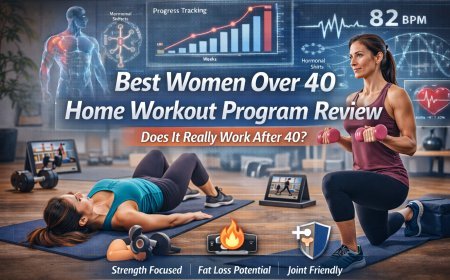
This review looks at whether a women-over-40 program is built around real physiology or just recycled marketing. It focuses on strength, recovery, fat loss realism, and long-term usability.
Read the full women over 40 home workout review
Best for: New mothers rebuilding strength, stability, and consistency after childbirth.
This review focuses on recovery-aware training, safe progression, and how postpartum programs differ from generic home fitness plans. It is especially useful for women who need a practical and realistic re-entry point.
Read the postpartum home workouts guide
Best for: Aesthetic-focused home training with moderate progression and accessible workouts.
This review is useful for readers comparing bodyweight systems with more appearance-driven programs built around toning, glute emphasis, and short-session home training.
Read the full women’s home workout review
Some digital fitness programs are built around progression, recovery, and realistic long-term consistency rather than random workouts or short-term motivation spikes.
Choosing the wrong program can waste months.
Before committing, ask yourself:
The best home workout program is not the most popular one. It is the one aligned with your recovery capacity, schedule, equipment, and long-term adherence.
If your main challenge is body composition, not just workouts, also read our science-based weight loss guide and our evidence-based fat loss nutrition guide.
Many beginners fail with home workout programs because they start with systems that are too advanced, too intense, or difficult to sustain consistently.
For most people, the best beginner home workout program is not the one with the hardest workouts. It is usually the one that creates consistency, manageable progression, and realistic long-term adherence.
Beginner-friendly programs often focus on:
This is especially important for people starting fitness after long inactive periods, busy schedules, parenting responsibilities, or high stress levels.
Scientifically, consistent moderate training usually produces better long-term results than short periods of extreme intensity followed by burnout.
For readers comparing structured beginner systems, our digital fitness programs comparison can also help narrow down different program styles.
Trying to Find a Beginner-Friendly Home Workout Program?
Some structured digital fitness systems are designed specifically around gradual progression, flexible scheduling, and sustainable consistency rather than extreme daily intensity.
One of the most overlooked factors in fitness programming is recovery capacity. Many people choose workout systems based only on motivation or aesthetics without considering whether the training volume actually fits their lifestyle.
A program that looks effective on paper may become difficult to sustain if sleep quality, work stress, parenting responsibilities, recovery ability, or schedule limitations are ignored.
This is especially important for home workout users. Home fitness is often marketed as universally convenient, but even flexible programs can fail if recovery demands exceed what the person can realistically maintain.
Scientifically, muscle growth, fat loss, conditioning, and performance adaptation all depend on balancing training stress with adequate recovery.
This is why many sustainable fitness systems now prioritize flexibility, progression control, and recovery-aware scheduling rather than pushing maximum intensity every day.
From a long-term perspective, the best workout program is usually not the one with the hardest sessions. It is the one that allows consistent training without excessive burnout, recovery breakdown, or loss of adherence.
For many people, home workout programs can absolutely support measurable fat loss, muscle development, improved conditioning, and long-term fitness consistency.
However, whether home training can fully replace the gym depends heavily on the individual’s goals, equipment access, recovery capacity, and training experience.
Scientifically, muscle growth and strength adaptation are driven primarily by progressive overload, training volume, recovery, and consistency — not by the physical location of the workout itself.
This means effective home workout programs can still produce meaningful results when they include:
For beginners and intermediate users, bodyweight systems, resistance bands, adjustable dumbbells, and structured digital fitness programs are often enough to create significant progress.
At the same time, advanced strength athletes or people pursuing maximum hypertrophy may eventually benefit from heavier equipment and broader loading options typically available in gym environments.
In practical terms, the best workout system is usually the one a person can follow consistently within their real lifestyle rather than the theoretically “perfect” setup they cannot sustain long term.
One of the biggest misconceptions in fitness is the idea that results come from finding the “perfect” workout system. In reality, long-term consistency usually matters far more than constantly changing programs.
Many people fail to see progress not because their workouts are ineffective, but because they stop and restart repeatedly before meaningful adaptation can occur.
Nutrition consistency is another major factor. Many body composition plateaus are caused by inconsistent calorie intake, recovery issues, and unsustainable dieting patterns rather than ineffective workouts alone.
Our metabolic adaptation guide explains why aggressive fat loss strategies often become difficult to sustain long term.
This is especially common with home fitness programs. Motivation often starts high, but unrealistic expectations, excessive intensity, and poor recovery planning can make programs difficult to sustain.
Scientifically, physical progress depends on repeated exposure to training stress followed by adequate recovery and adaptation. That process takes time.
Recovery quality also plays a major role in long-term workout performance, which is why many users eventually begin focusing more on sleep quality and overnight recovery support alongside structured training.
This is one reason sustainable home workout systems typically focus on progression, recovery management, scheduling flexibility, and adherence rather than relying only on motivation or extreme workouts.
From a practical perspective, the best home workout program is often the one a person can realistically continue for months, not just a few highly motivated weeks.
Not all home workout programs are designed for the same outcome. Some systems prioritize calorie expenditure, conditioning, and overall activity levels, while others focus more heavily on resistance training and progressive overload for muscle development.
Home workout programs designed primarily for fat loss often include:
In contrast, muscle-building focused programs usually emphasize:
Scientifically, both approaches can be effective depending on the person’s primary goal, recovery capacity, nutrition consistency, and training experience.
Many sustainable fitness systems now attempt to combine both strategies by balancing resistance training, conditioning, recovery, and adherence rather than relying on extreme training volume alone.
This is one reason why realistic expectations matter. Most people achieve better long-term body composition changes through consistency, recovery management, and sustainable nutrition habits rather than short periods of highly aggressive training.
If your primary goal is long-term fat loss support, you may also benefit from reading our science-based weight loss guide and our metabolic adaptation guide.
Many people fail at home training for predictable reasons:
Another overlooked issue is unrealistic expectations. Many users expect visible physical changes within extremely short timeframes, even though sustainable body composition changes usually require months of consistent training and nutrition support.
This is also why many structured fitness systems now emphasize long-term sustainability instead of relying entirely on motivation spikes or rapid transformation marketing.
A structured digital fitness plan can reduce these mistakes, but only if the user follows the system long enough to benefit from it.
If you are currently stuck, our fat loss plateau guide and calorie deficit and metabolic adaptation guide can help explain why progress often slows.
Most home workout programs do not fail because the exercises themselves are ineffective. In many cases, they fail because the system is difficult to maintain consistently in real life.
Many programs create early excitement through intense schedules, rapid transformation promises, or unrealistic expectations. However, excessive intensity often leads to recovery fatigue, inconsistent adherence, and eventual burnout.
This is especially common in digital fitness. Users frequently jump between programs searching for faster results instead of staying with one structured system long enough for measurable adaptation to occur.
Another common problem is poor progression design. Some home workout systems rely heavily on random follow-along workouts without a clear long-term progression model.
Scientifically, physical adaptation depends on progressive overload, recovery management, and repeated training exposure over time. Without structure, consistency becomes difficult to maintain.
This is why sustainable fitness systems often focus less on “maximum motivation” and more on realistic scheduling, progression control, recovery awareness, and behavioral consistency.
In practical terms, the best home workout program is usually the one a person can continue during stressful weeks, imperfect routines, and fluctuating motivation levels — not just during periods of peak excitement.
You may also want to explore:
Want a practical next step?
Use this hub page to narrow your options, then move to the review that best matches your stage, equipment level, and recovery needs.
Many people struggle with home workouts not because they lack motivation, but because their training system lacks progression, recovery balance, or long-term structure.
Some digital fitness programs are designed to simplify scheduling, progression, and consistency while remaining flexible enough for real-world routines.
Home workout programs can absolutely produce measurable physical change, but only when they are built around progression, recovery, and sustainability.
Instead of chasing trends, focus on science-backed programming, realistic expectations, and a system you can actually follow.
This guide will continue to grow as more programs are reviewed and added to the home workout category.
Science-Based Reviews & Comparisons
Table of Contents
How We Evaluate Home Workout Programs
1. Scientific Foundation
2. Program Structure
3. Adaptability
4. Sustainability
5. Real-World Feedback Patterns
Types of Home Workout Programs
Bodyweight-Based Programs
Minimal Equipment Training
Fully Digital Fitness Systems
Featured Home Workout Reviews
1. Bodyweight Home Workout Program
2. Women Over 40 Home Workout Program
3. Postpartum Home Workout Program
4. Women’s Toning Home Workout Program
Looking for a Structured Home Workout System?
How to Choose the Right Home Workout Program
Best Home Workout Programs for Beginners
Why Recovery Capacity Matters When Choosing a Workout Program
Can Home Workout Programs Really Replace the Gym?
Why Consistency Matters More Than the “Perfect” Workout Plan
Best Home Workout Programs for Fat Loss vs Muscle Building
Common Mistakes in Home Training
Why Most Home Workout Programs Eventually Fail
Related Fitness Guides
Looking for a More Structured Fitness Plan?
Conclusion