Probiotics for Weight Loss: Do They Really Work?
Learn whether probiotics for weight loss really work, how gut bacteria affect metabolism, and which probiotic habits may support healthy weight management.
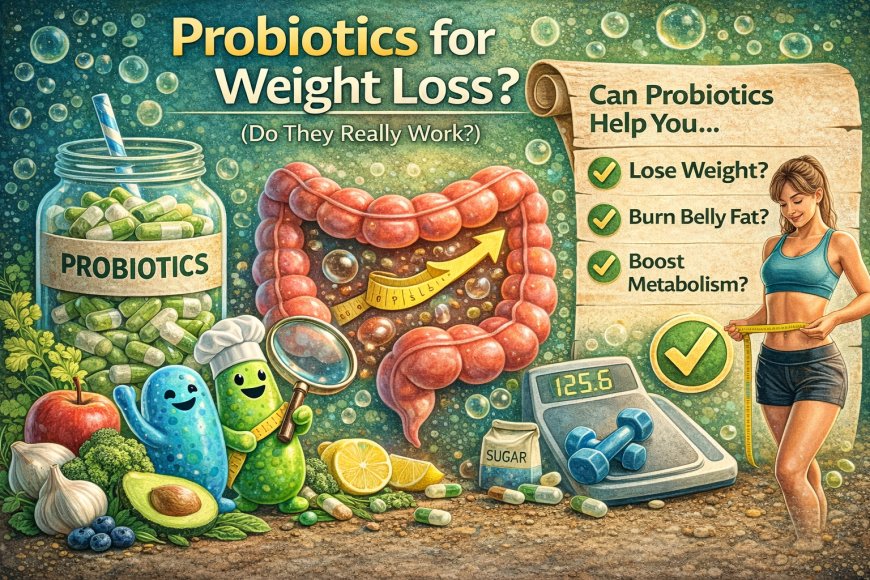
Probiotics for Weight Loss: Do They Really Work?
Weight loss is often framed as a simple equation of calories in and calories out, but real life rarely feels that simple. Hunger changes from day to day. Digestion can feel slow or uncomfortable. Some people deal with bloating constantly, while others notice that stress, sleep, and food cravings seem to affect their progress just as much as exercise does.
That is one reason interest in the gut microbiome has grown so quickly. Researchers now understand that gut bacteria may influence digestion, inflammation, appetite regulation, and even how the body handles certain nutrients. This has led many people to ask an important question: can probiotics for weight loss actually make a difference?
The honest answer is nuanced. Probiotics are not a magic shortcut, and they will not replace a balanced diet or healthy lifestyle. At the same time, certain probiotic habits may support the digestive environment that makes weight management easier. In this guide, we break down what probiotics do, what science suggests, and how gut health may fit into a realistic weight loss strategy.
If you're comparing microbiome-based supplements, understanding the real reason behind slow progress matters. Read why you're not losing fat before choosing a product.
For a broader foundation, also read our gut microbiome health guide and gut health and weight loss explained.
Table of Contents
- What Is the Gut Microbiome?
- How Gut Health May Affect Weight
- Do Probiotics Help With Weight Loss?
- Best Probiotic Strains to Know
- Probiotic Foods and Daily Habits
- Should You Use a Probiotic Supplement?
- Pros & Cons
- Internal Links for Further Learning
- FAQ
Support Your Gut Health Goals
Discover microbiome-support formulas designed to help digestion, reduce bloating, and support a healthier daily routine.
- ✔ Support gut bacteria balance
- ✔ Improve digestive comfort
- ✔ Reduce bloating and heaviness
- ✔ Promote healthy lifestyle habits
What Is the Gut Microbiome?
The gut microbiome is the community of microorganisms living inside the digestive tract. These microbes include bacteria, fungi, and other microscopic organisms that help break down food, support the immune system, and influence many processes throughout the body.
When the microbiome is balanced, digestion usually feels more efficient. The body may process food more comfortably, and the gut environment tends to be more resilient. When that balance is disrupted, people often notice bloating, irregular digestion, low energy, or food-related discomfort.
That is why gut health matters even when the main goal is weight management. A healthier digestive system can make it easier to follow consistent eating habits and feel better day to day.
If you are noticing discomfort, read our guide on microbiome imbalance symptoms to understand the warning signs of poor gut balance.
How Gut Health May Affect Weight
Gut bacteria do not directly “burn fat” in the way marketing headlines sometimes suggest, but they may influence several factors connected to body weight.
Appetite and Cravings
Some studies suggest the gut microbiome may play a role in how the body regulates hunger signals and food cravings. When digestion feels off, people often crave quick, highly processed foods that are easy to eat but not especially satisfying. Supporting digestive balance may make it easier to stick to a more stable eating routine.
Digestion and Nutrient Handling
The microbiome helps break down certain fibers and plant compounds. A diverse gut environment may support better digestion and nutrient use, especially when a person regularly eats whole foods such as vegetables, fruit, legumes, oats, and fermented foods.
If your diet is the weak point, start with nutrition for fat loss and the science-based weight loss guide.
Bloating and Water Retention
Not every fluctuation on the scale is body fat. Sometimes the issue is bloating, digestive sluggishness, or temporary water retention. When gut discomfort decreases, people often feel lighter and more in control of their eating patterns. That does not always mean fat loss happened overnight, but it can improve motivation and consistency.
Inflammation and Lifestyle Patterns
Chronic stress, poor sleep, ultra-processed foods, and irregular eating patterns can affect both gut health and body weight. In that sense, probiotics work best as part of a wider lifestyle approach rather than as a stand-alone solution.
For a deeper metabolic view, see our metabolic health guide and beginner weight loss guide.
Do Probiotics Help With Weight Loss?
Probiotics are beneficial microorganisms that may support gut balance. They are found in fermented foods and in supplement form. The question is not whether probiotics exist or whether they support gut health in general. The more practical question is whether they lead to meaningful weight loss.
For most people, probiotics are best viewed as a support tool. They may help improve digestion, reduce bloating, and support better routine habits. That can indirectly help with weight management, especially if digestive discomfort has been making healthy eating harder to maintain.
What probiotics are unlikely to do is cause dramatic weight loss on their own. If someone continues to eat in a way that leaves them constantly uncomfortable, under-slept, and low on nutrients, a probiotic alone will not solve the bigger problem.
Still, there is a reason interest remains high. When the digestive system feels better, healthy habits become easier to repeat. Meals may feel more satisfying, bloating may decrease, and the person may feel more comfortable staying active. Those changes matter.
What the Evidence Suggests
Research on probiotics and body weight is promising but mixed. Some studies suggest certain probiotic strains may support modest improvements in waist circumference, digestive comfort, or microbiome diversity. Others show little effect unless probiotics are paired with diet and lifestyle changes.
That means the realistic takeaway is this: probiotics may support the environment needed for weight management, but they are not a substitute for long-term habits.
If your main goal is sustainable fat loss, read our beginner weight loss guide and science-based weight loss guide alongside this article.
Best Probiotic Strains to Know
Different probiotic strains do different things. That is why “probiotics” as a broad category can feel confusing. Some strains are more commonly associated with digestive comfort, while others are studied for broader metabolic and microbiome effects.
Lactobacillus Gasseri
This strain is frequently mentioned in discussions about probiotics and body weight. It has been studied for possible effects on abdominal fat and digestive support. Results vary, but it remains one of the most talked-about probiotic strains in this area.
Lactobacillus Rhamnosus
Lactobacillus rhamnosus is often associated with digestive support and gut resilience. Some research has explored how it may interact with eating behavior and gut balance, especially when paired with broader lifestyle changes.
Bifidobacterium Lactis
This strain is well known in digestive health. It may support regularity and gut comfort, which matters because many people struggle with a cycle of bloating, sluggish digestion, and frustration that makes healthy routines harder to maintain.
Lactobacillus Acidophilus
This is one of the most widely recognized probiotic strains. It is often used for general digestive support and may help maintain microbial balance in people trying to improve overall gut health.
It is important to remember that strain quality, dosage, product formulation, and consistency all matter. A label saying “contains probiotics” does not automatically mean the formula is ideal.
If digestive discomfort is a major issue for you, our article on best probiotics for bloating explains which probiotic approaches may help reduce gas and abdominal pressure.
Probiotic Foods and Daily Habits
Before relying entirely on supplements, it helps to look at daily habits. Many people benefit from starting with food quality, fiber intake, hydration, and meal rhythm.
Fermented Foods
Yogurt with live cultures, kefir, kimchi, sauerkraut, miso, and kombucha are commonly included in gut-supportive diets. These foods can introduce beneficial bacteria while also encouraging more mindful meal choices.
Fiber-Rich Foods
Probiotics are only part of the picture. Beneficial bacteria also need fuel, and that is where fiber matters. Vegetables, oats, beans, chia seeds, flaxseeds, apples, berries, and legumes can help support a healthier gut environment.
Protein and Meal Balance
Weight management often becomes easier when meals are balanced. A meal with fiber, protein, and healthy fats usually feels more satisfying than one based mostly on refined carbs. Better satisfaction can reduce grazing and late-night cravings.
Hydration and Digestion
Drinking enough water supports digestion, stool consistency, and overall comfort. Sometimes the simplest gut-supportive habits are the ones people skip most often.
For a food-first strategy, explore our guide on 17 best foods for gut bacteria.
For daily digestive habits, read 10 natural ways to improve digestion and gut health.
Why People Often Feel “Lighter” After Supporting Gut Health
One reason probiotic products become popular is that people often report feeling less heavy, less puffy, or less uncomfortable. That feeling can be meaningful, but it is important to understand what may be happening.
Sometimes the change is improved digestion rather than rapid fat loss. Less bloating, less gas, and more regular digestion can create a noticeable difference in how clothes fit and how the stomach feels. That can be encouraging, and it often helps people stay consistent with healthier choices.
In other words, probiotics may not transform body composition overnight, but they can help remove some of the friction that makes weight management feel harder than it should.
Feel Better From the Inside Out
Many people start with weight goals but stay consistent because better digestion makes daily life easier and more comfortable.
- ✔ Support digestive balance
- ✔ Reduce bloating discomfort
- ✔ Promote healthier routine habits
- ✔ Support your gut-health lifestyle
Should You Use a Probiotic Supplement?
A probiotic supplement can make sense when food quality is improving but digestive comfort still feels inconsistent. Some people also prefer supplements because they are easier to use consistently than fermented foods every single day.
That said, supplements should be evaluated realistically. The best probiotic supplement is not always the one with the biggest label claims. It is the one that fits your routine, contains clearly listed strains, and supports your actual goal.
If the main issue is bloating, digestive support matters more than flashy weight-loss promises. If the goal is overall gut balance, a broader microbiome-support approach may make more sense.
Many people eventually choose a supplement that supports both gut and skin balance, digestion, and microbiome resilience. That can be a practical route when digestive symptoms show up in more than one way.
To see how one gut-focused formula is positioned, read our detailed Prime Biome review.
You can also compare gut-health supplement options in our Biome vs other gut health supplements guide and our Renew Ritual gut health benefits article.
How to Use Probiotics Realistically
If you decide to use probiotics, think in terms of consistency rather than urgency. A few useful guidelines can help:
- Use them consistently for several weeks before judging the effect
- Pair them with fiber-rich foods, not just low-quality processed meals
- Track changes in bloating, comfort, appetite, and regularity
- Give more attention to how you feel than to one day of scale fluctuation
This realistic mindset matters because gut improvements often show up as better comfort, less heaviness, and better routine consistency before they show up as dramatic physical change.
Pros & Cons
Pros
- May support gut bacteria balance
- Can help reduce bloating and digestive discomfort
- May support healthier eating consistency
- Can complement a weight-management routine
- Supports overall gut health, not just body weight goals
Cons
- Not a magic weight loss solution
- Results vary depending on strain, routine, and diet
- May take several weeks to notice meaningful changes
- Some people expect dramatic fat loss and end up disappointed
Internal Links for Further Learning
To improve the foundation first, read our science-based guide on how to restore gut microbiome naturally.
If you want simpler daily habits, explore 10 natural ways to improve digestion and gut health.
For a food-based approach, see our list of best foods for gut bacteria.
If you are comparing products, read our full Prime Biome review.
For a stronger weight-loss foundation, read nutrition for fat loss, science-based weight loss guide, and beginner weight loss guide.
FAQ
Do probiotics really help with weight loss?
Probiotics may support weight management indirectly by improving digestion, reducing bloating, and supporting healthier routine habits. They are not a stand-alone fat-loss solution.
Which probiotic is best for weight loss?
Commonly discussed strains include Lactobacillus gasseri, Lactobacillus rhamnosus, and Bifidobacterium lactis, though results vary by person and routine.
Can probiotics reduce belly bloating?
They may help reduce digestive bloating in some people by supporting gut bacteria balance and improving digestive comfort.
How long does it take probiotics to work?
Some people notice digestive changes within a few weeks, but more meaningful results often depend on consistent use and overall diet quality.
Should I take probiotics every day?
Many people use probiotics daily for consistency, especially when trying to support digestion and microbiome balance over time.
Can probiotics help reduce cravings?
Probiotics may support gut balance and digestive comfort, which can make it easier to follow stable meals and reduce inconsistent snacking. They are not a direct appetite-control solution.
Are probiotics enough for weight loss?
No. Probiotics may support digestive health and routine consistency, but weight loss still requires sustainable nutrition, movement, sleep, and long-term habit changes.
Support Your Weight-Loss Routine the Smart Way
A healthier gut will not do all the work for you, but it may make the work feel much more manageable.