Postpartum Women Home Workout Review 2026: Safe Strength & Recovery
Postpartum women home workout review covering safe recovery, core rebuilding, pelvic stability, strength support, low-impact progression, and realistic postpartum fitness expectations.
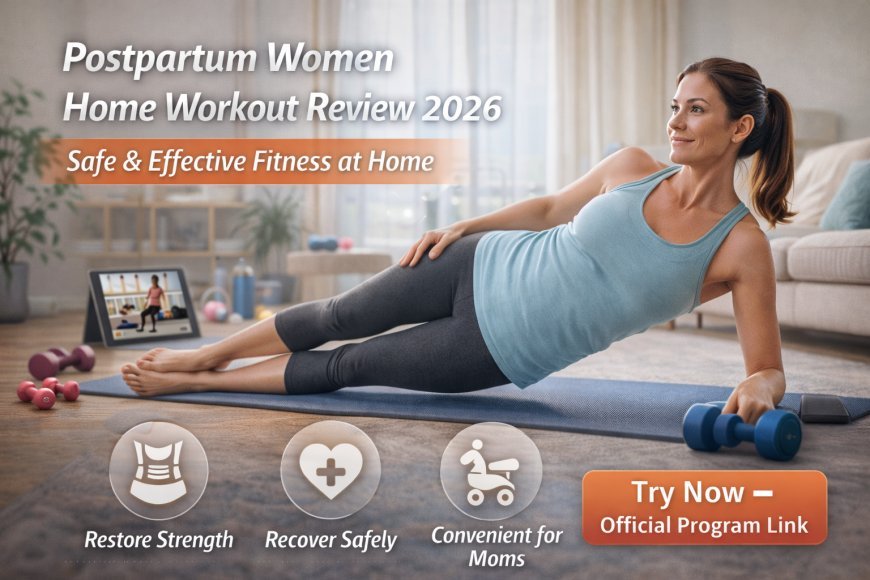
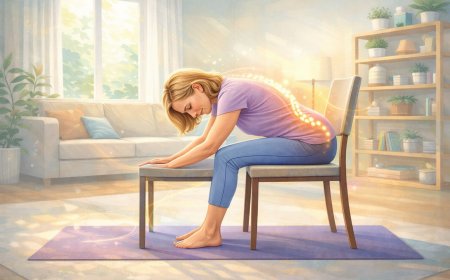
Safe & Effective Postpartum Home Workouts: Rebuilding Strength After Childbirth
Returning to exercise after giving birth can be challenging. Hormonal changes, recovery from delivery, sleep disruption, and time constraints all affect how and when a new mother can safely become active again.
That is why postpartum home workouts have become one of the most effective ways to rebuild strength, improve endurance, and regain confidence without the pressure of gym schedules.
Modern postpartum fitness systems now focus more heavily on safe progression, pelvic stability, recovery pacing, and long-term consistency rather than aggressive “bounce back” expectations.
Many women also prefer postpartum home workouts because they provide flexibility around sleep schedules, childcare responsibilities, recovery demands, and energy fluctuations during early motherhood.
If you want to compare this program with other structured systems, start with our digital fitness programs comparison and top digital fitness programs 2026 guide.
Looking for a Safe & Structured Postpartum Fitness Plan?
Some postpartum fitness systems are designed specifically around recovery pacing, pelvic stability, low-impact progression, and sustainable strength rebuilding after childbirth.
- ✔ Low-impact home workouts
- ✔ Recovery-focused progression
- ✔ Beginner-friendly structure
- ✔ Designed for realistic postpartum recovery
Why Postpartum Workouts Matter
The postpartum phase is not just about losing weight. It is about rebuilding your body safely.
- core strength and stability
- better posture
- muscle reactivation
- mental well-being
For nutrition support, see our metabolic nutrition guide.
What Makes a Good Postpartum Program?
- low-impact structure
- pelvic and core focus
- gradual progression
- flexible scheduling
Pelvic Stability and Core Recovery After Pregnancy
One of the most important aspects of postpartum fitness is rebuilding pelvic stability and core control gradually after childbirth.
Pregnancy and delivery can place significant stress on abdominal muscles, posture, breathing mechanics, and pelvic-floor function.
For this reason, many postpartum fitness systems prioritize low-impact movement patterns, breathing coordination, core activation, and progressive stability work before introducing higher-intensity exercise.
Safe postpartum progression often focuses first on movement quality, recovery pacing, posture control, and consistency rather than aggressive fat-loss intensity.
Scientifically, gradual progression and recovery awareness usually improve long-term adherence while reducing excessive fatigue during postpartum recovery.
Does It Really Work?
Yes — postpartum home workouts can work very well, but only when done consistently and safely.
They are not designed for fast fat loss.
They are designed to:
- restore core strength
- improve stability
- gradually rebuild endurance
This is recovery-first, not intensity-first.
Why Recovery Speed Matters After Childbirth
One of the biggest mistakes in postpartum fitness is assuming the recovery process should happen quickly. In reality, recovery speed varies significantly between individuals depending on sleep quality, stress load, delivery experience, hormonal recovery, and overall physical condition.
Many new mothers experience disrupted sleep, nervous system fatigue, reduced recovery capacity, and inconsistent schedules during the postpartum phase.
This is one reason sustainable postpartum workout systems usually prioritize low-impact progression, flexibility, recovery awareness, and gradual workload increases rather than aggressive intensity.
Scientifically, rebuilding strength and stability after childbirth requires progressive adaptation over time. Recovery, not exhaustion, is often the limiting factor.
Programs that ignore recovery pacing may increase fatigue and reduce long-term adherence.
From a practical perspective, slow but sustainable consistency usually produces far better long-term outcomes than attempting to “rush” postpartum fitness recovery.
Results: What to Expect
| Time | Result |
|---|---|
| Week 1–2 | Improved mobility |
| Week 3–4 | Better core control |
| Week 5–8 | Increased strength and endurance |
Consistency matters more than speed.
Why Unrealistic “Bounce Back” Expectations Cause Problems
One of the biggest problems in postpartum fitness culture is the pressure to return to pre-pregnancy appearance and performance as quickly as possible.
Social media often promotes unrealistic timelines, rapid transformations, and high-intensity workout expectations that may not reflect healthy postpartum recovery.
In reality, rebuilding strength, stability, endurance, and confidence after childbirth usually requires gradual progression over time.
Many women notice early improvements first in mobility, posture, movement control, and daily energy before dramatic visual changes occur.
Scientifically, postpartum recovery depends heavily on sleep quality, stress load, nutritional support, hormonal adaptation, and progressive exercise exposure.
This is one reason sustainable postpartum fitness systems typically focus more on consistency, recovery pacing, and safe progression rather than extreme intensity or rapid fat loss.
From a practical perspective, long-term recovery and functional strength are usually far more important than attempting to force rapid short-term transformation.
Many postpartum fitness frustrations are caused not by lack of effort, but by unrealistic recovery expectations created through social media transformation culture.
In reality, postpartum recovery is highly individual and influenced by sleep quality, hormonal recovery, stress load, nutrition, delivery experience, and overall physical condition.
This is one reason recovery-focused postpartum systems often prioritize sustainable consistency and gradual progression rather than rapid visual transformation timelines.
Who This Program Is Best For
- new mothers after medical clearance
- women needing low-impact training
- home workout users
Who Should NOT Use This
- people expecting fast weight loss
- users wanting high-intensity workouts
- those ignoring recovery phase
Who This Program May Not Be The Right Fit For
This type of postpartum home workout system may work very well for women looking for safe progression, flexibility, and gradual strength rebuilding after childbirth. However, it may not be ideal for every situation.
Women expecting rapid weight loss or intense transformation-focused training may become frustrated with the slower recovery-centered pacing of postpartum fitness systems.
Highly advanced athletes or individuals seeking aggressive high-intensity performance training may eventually require more advanced programming and heavier resistance work.
It is also important to recognize that postpartum recovery timelines vary significantly between individuals.
Sleep disruption, hormonal recovery, delivery complications, stress load, and medical limitations can all affect how quickly exercise progression feels manageable.
For this reason, sustainable postpartum programs usually prioritize recovery awareness, movement quality, low-impact progression, and realistic scheduling rather than extreme workout intensity.
Women with medical concerns, severe pain, pelvic floor complications, or post-surgical recovery needs should always seek appropriate medical guidance before beginning structured exercise programs.
Why Home Workouts Work Better
- no travel
- flexible timing
- higher consistency
Consistency drives results — not intensity.
How to Maximize Results
Need a More Structured Postpartum Recovery Plan?
Many postpartum fitness programs fail because they push intensity too early instead of prioritizing recovery pacing, stability, and gradual progression.
Some structured postpartum systems are designed specifically around low-impact recovery, core rebuilding, and sustainable long-term consistency after childbirth.
- ✔ Low-impact home workouts
- ✔ Core and stability focused
- ✔ Recovery-first progression
- ✔ Designed for realistic postpartum fitness
Is It Legit or a Scam?
This type of program is legit — but only if expectations are realistic.
It will not:
- create instant results
- replace proper recovery
It can:
- support safe strength rebuilding
- improve consistency
Final Decision: Should You Use It?
Use it if:
- you want safe recovery
- you prefer home workouts
Do NOT use it if:
- you expect fast transformation
FAQ
When can I start?
After medical clearance, usually around 6 weeks.
Do I need equipment?
No. Most are bodyweight-based.
Is it for fat loss?
Main focus is recovery and rebuilding.
When can postpartum workouts safely begin?
Exercise timing varies depending on delivery type, recovery progress, and medical guidance. Many women begin gentle movement after receiving appropriate medical clearance.
Are postpartum home workouts effective?
Yes. Structured postpartum workouts may help support strength rebuilding, core stability, mobility, endurance, and long-term recovery when progressed safely.
Is postpartum fitness mainly for weight loss?
No. Safe postpartum fitness is usually focused more on recovery, rebuilding strength, restoring movement quality, and improving long-term physical function.
Why does postpartum recovery feel slow?
Sleep disruption, hormonal changes, stress load, nervous system fatigue, and recovery demands can all affect how quickly exercise progression feels manageable.
Can postpartum workouts help rebuild core strength?
Yes. Many postpartum programs include low-impact core activation and stability exercises designed to gradually rebuild abdominal and pelvic stability.
Are intense workouts recommended after childbirth?
In most cases, gradual progression and recovery-focused exercise are more sustainable than highly aggressive intensity during the early postpartum phase.
Looking for a Safer Way to Rebuild Strength After Pregnancy?
Some postpartum home fitness systems are designed to support recovery pacing, core rebuilding, mobility, and long-term consistency without relying on aggressive workout intensity.
- ✔ Recovery-focused structure
- ✔ Low-impact progression
- ✔ Flexible home-based workouts
- ✔ Designed for sustainable postpartum recovery