Blood Sugar and Fat Loss: How Glucose Control Affects Weight Loss
Learn how blood sugar affects cravings, insulin, fat storage, and metabolism. A science-based guide to better blood sugar control for sustainable fat loss.
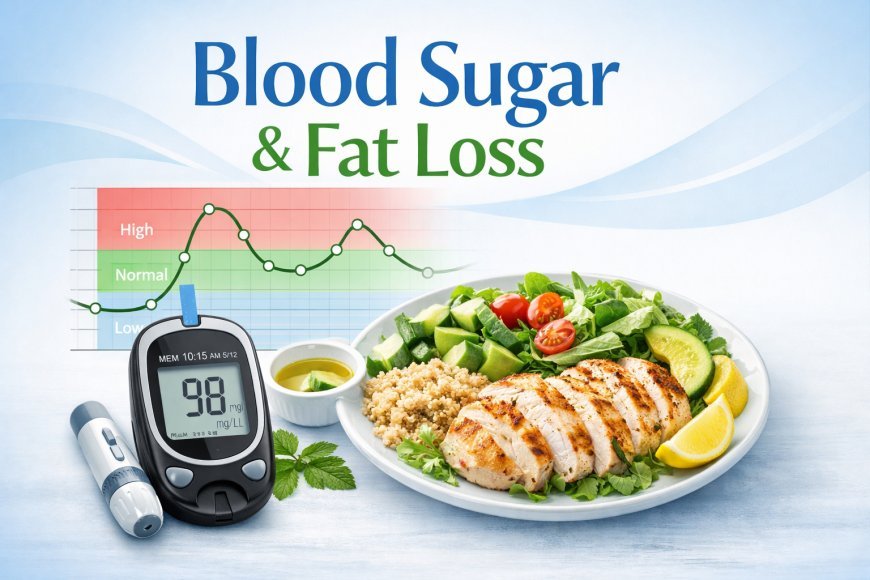
Quick Answer: How Does Blood Sugar Affect Fat Loss?
Blood sugar affects fat loss indirectly by influencing hunger, cravings, energy, insulin response, and daily consistency. Fat loss still requires a calorie deficit, but unstable blood sugar can make that deficit much harder to maintain.
- Main problem: glucose spikes and crashes can increase hunger and cravings
- Key hormone: insulin helps move glucose into cells and affects nutrient storage
- Best first steps: protein, fiber, whole foods, walking after meals, better sleep
- Supplement role: support only, not a replacement for nutrition or medical care
Blood Sugar and Fat Loss: How Glucose Control Affects Weight Loss, Cravings, and Metabolism
Blood sugar control is one of the most overlooked parts of sustainable fat loss. Calories still matter, but glucose stability can strongly affect hunger, cravings, energy, insulin sensitivity, and your ability to stay consistent.
Many people understand the basic idea of weight loss: eat fewer calories than you burn. That is true. But it does not explain why some people feel hungry all day, crash after meals, crave sugar at night, and struggle to stay consistent even when their plan looks good on paper.
One major reason is unstable blood sugar.
When blood glucose rises sharply and then falls quickly, many users experience energy crashes, stronger cravings, mood swings, and urgent hunger. Those symptoms do not automatically mean a medical condition is present, but they can make fat loss harder in daily life.
This guide explains how blood sugar affects fat loss, why insulin matters, how glucose control influences cravings and belly fat, what habits improve metabolic stability, and whether blood sugar supplements can help.
If you are comparing supplements that target blood sugar support, read our Sugar Defender review. For broader fat-loss context, see our Ultimate Fat Loss Guide and Metabolism Optimization Guide.
Table of Contents
- What Is Blood Sugar?
- Why Blood Sugar Matters for Fat Loss
- Insulin and Fat Storage
- Insulin Resistance and Weight Gain
- Blood Sugar, Cravings, and Energy
- Signs of Poor Blood Sugar Control
- Blood Sugar and Belly Fat
- Best Foods for Blood Sugar Stability
- How to Improve Blood Sugar for Fat Loss
- Meal Timing and Blood Sugar
- Exercise and Glucose Control
- Sleep, Stress, and Blood Sugar
- Do Blood Sugar Supplements Help?
- Blood Sugar Support vs Fat Burners
- Expert Assessment
- Related Guides
- Scientific References
- Final Takeaway
- FAQ
What Is Blood Sugar?
Blood sugar, also called blood glucose, is the amount of glucose circulating in your bloodstream. Your body uses glucose as an important energy source.
After you eat, especially foods rich in carbohydrates, blood sugar usually rises. In response, your body releases insulin. Insulin helps move glucose from the bloodstream into cells, where it can be used for energy or stored for later.
This process is normal and necessary.
The issue starts when blood sugar rises too sharply, drops too quickly, or stays elevated too often. That pattern can affect hunger, cravings, energy, mood, and fat-loss consistency.
Blood sugar control is not only a diabetes topic. It is also a weight-management topic because it affects the behaviors that make fat loss easier or harder.
Why Blood Sugar Matters for Fat Loss
Fat loss depends on a calorie deficit. But blood sugar control affects how easy it is to maintain that deficit.
When blood sugar is unstable, people often experience:
- strong sugar cravings
- refined-carb cravings
- energy crashes after meals
- frequent hunger
- poor appetite control
- late-night snacking
- difficulty staying consistent
This creates a practical fat-loss problem.
You may know what to eat, but unstable hunger and cravings can make the plan hard to repeat. That is why blood sugar stability matters. It supports the daily behaviors that make a calorie deficit more realistic.
If you often feel stuck despite effort, read our Why You’re Not Losing Fat guide and our Fat Loss Plateau Guide.
Insulin and Fat Storage
Insulin is one of the most important hormones involved in metabolism. Its job is not simply to “make you fat.” Its main job is to help regulate blood glucose and move nutrients into cells.
However, insulin also influences storage. When calorie intake is high, snacking is frequent, and blood sugar is repeatedly elevated, the body has more reason to store energy.
This does not mean carbohydrates are bad. It means food quality, portion size, meal structure, and insulin sensitivity matter.
High-quality carbohydrate sources can fit well into a fat-loss plan. The problem is usually not carbs themselves. The problem is frequent overeating, ultra-processed foods, low protein intake, low fiber intake, poor sleep, and low activity.
Insulin Resistance and Weight Gain
Insulin resistance happens when cells do not respond to insulin as effectively as they should. When this happens, the body may need more insulin to manage blood glucose.
This can create a difficult cycle:
- blood sugar control becomes less efficient
- hunger and cravings may increase
- energy levels may feel unstable
- fat storage becomes easier when calories are high
- weight gain can make insulin resistance worse
Insulin resistance is a medical topic. If you suspect a blood sugar problem, prediabetes, or diabetes, do not self-diagnose from an article. Speak with a healthcare professional and consider proper testing.
For the broader metabolism picture, read Metabolic Adaptation Explained and Metabolic Health Guide.
Blood Sugar, Cravings, and Energy
One of the biggest reasons blood sugar matters for fat loss is that it affects daily behavior.
Cravings
Large blood sugar swings can increase cravings for sugar, refined carbs, snacks, pastries, and fast food. These foods are easy to overeat and often make calorie control harder.
Energy crashes
After a sharp glucose spike, some people feel tired, foggy, or unmotivated. That can reduce workout quality, daily movement, and food discipline later in the day.
Overeating risk
When energy is low and hunger feels urgent, people are more likely to overeat. This is not a willpower issue only. It is also a biology and routine issue.
Better blood sugar stability often leads to better food choices, fewer cravings, steadier energy, and easier adherence.
Signs of Poor Blood Sugar Control
You should not diagnose yourself from symptoms alone, but some patterns may suggest blood sugar instability.
- strong cravings after meals
- sleepiness after eating
- afternoon energy crashes
- frequent hunger even after meals
- irritability when meals are delayed
- difficulty controlling portions at night
- strong desire for sweets after dinner
- waking up hungry or tired
These signs do not prove a medical issue by themselves. But they can suggest that meal quality, food timing, sleep, activity, or metabolic health needs more attention.
If symptoms are persistent, severe, or connected to excessive thirst, frequent urination, blurry vision, or unexplained weight changes, seek medical guidance.
Blood Sugar and Belly Fat
Blood sugar does not selectively create belly fat by itself. No single food, supplement, or habit can target belly fat directly.
However, poor glucose control, insulin resistance, high stress, poor sleep, low activity, and excess calorie intake can all contribute to abdominal fat gain over time.
Better blood sugar control may help belly fat indirectly by improving:
- hunger control
- snacking patterns
- diet consistency
- energy stability
- activity levels
- sleep quality
Over time, those improvements can support better body composition. It is not magic. It is a more stable system.
Best Foods for Blood Sugar Stability
Most people do better when meals include protein, fiber, whole-food carbohydrates, and healthy fats in reasonable amounts.
Good blood sugar-friendly meal components include:
- eggs
- Greek yogurt
- chicken breast
- fish
- lean beef or turkey
- beans and lentils
- berries
- vegetables
- oats
- potatoes
- rice in controlled portions
- nuts and seeds
Examples:
- eggs with vegetables and berries
- Greek yogurt with berries and nuts
- chicken, rice, and a large salad
- salmon, potatoes, and vegetables
- lean beef, beans, and vegetables
For a bigger-picture nutrition plan, read our Nutrition for Fat Loss Guide.
How to Improve Blood Sugar for Fat Loss
The good news is that better glucose control usually starts with basic habits. You do not need an extreme protocol.
1. Prioritize protein
Protein improves satiety and helps preserve muscle during fat loss. It also makes meals more filling.
Read our Optimal Protein Intake Guide.
2. Add fiber to most meals
Fiber slows digestion and can improve fullness. It also supports gut health and helps reduce overeating risk.
3. Choose minimally processed carbs
Whole-food carbohydrate sources usually create a more stable response than sugary drinks, desserts, and ultra-processed snacks.
4. Combine carbs with protein or fiber
Carbs eaten alone may be easier to overeat and may create a sharper glucose response. Balanced meals are usually more stable.
5. Reduce liquid calories
Sugary drinks are one of the easiest ways to create fast glucose spikes without fullness.
6. Walk after meals
Even a short walk after eating can support glucose handling and increase daily movement.
7. Improve sleep
Poor sleep can increase hunger, cravings, and insulin resistance. Sleep is not optional for metabolic health.
Read our Sleep and Weight Loss Guide.
Meal Timing and Blood Sugar
Meal timing does not need to be perfect, but chaotic eating can make blood sugar and hunger harder to manage.
Some users do better with structured meals because it reduces random snacking and large hunger swings.
Helpful patterns include:
- eating enough protein at breakfast
- avoiding long gaps that trigger overeating later
- building balanced meals instead of grazing all day
- keeping high-sugar foods after meals rather than alone
- planning dinner earlier if late-night snacking is a problem
The goal is not rigid timing. The goal is stable energy and fewer uncontrolled eating moments.
Exercise and Glucose Control
Exercise is one of the strongest tools for blood sugar control and fat loss.
Muscle uses glucose for energy. More movement can help improve glucose handling, insulin sensitivity, and calorie expenditure.
The best starting points are simple:
- walk after meals
- lift weights 2–4 times per week
- increase daily steps
- avoid sitting for long periods
- add short movement breaks after meals
Strength training is especially useful because muscle tissue supports metabolic health. For beginners, read our Home Workout Programs guide.
Sleep, Stress, and Blood Sugar
Blood sugar is not only affected by food. Sleep and stress also matter.
Poor sleep can increase hunger hormones, reduce insulin sensitivity, and make cravings worse. Chronic stress can also influence appetite, cortisol, and food choices.
To support better blood sugar stability:
- keep a consistent sleep schedule
- reduce late-night snacking
- limit caffeine late in the day
- take short walks after stressful meals
- use simple stress management habits
- avoid using sugar as the main stress-relief tool
For more detail, see Sleep Fat Loss Guide and Stress and Weight Gain.
Do Blood Sugar Supplements Help?
Blood sugar supplements may support some users, but they should never be treated as the foundation.
The foundation is still:
- nutrition quality
- protein intake
- fiber intake
- sleep
- daily movement
- calorie control
- medical care when needed
Some supplements are marketed around ingredients such as berberine, cinnamon extract, chromium, gymnema, and alpha lipoic acid.
These ingredients may support glucose metabolism or cravings control in some users, but results vary. They should not replace diabetes medication, medical care, or a structured nutrition plan.
For a product-specific breakdown, see our Sugar Defender Review. You can also compare broader options in our Supplements for Fat Loss Guide.
Blood Sugar Support vs Fat Burners: What Matters More?
For many people, blood sugar control matters more than stimulant intensity.
A fat burner may create short-term energy. But if cravings, overeating, and energy crashes still happen every day, stimulation does not solve the core problem.
This is why many users are disappointed by traditional fat burners. They chase intensity instead of stability.
Blood sugar support may be more relevant if your main issues are:
- sugar cravings
- energy crashes
- overeating after meals
- late-night snacking
- poor appetite control
Fat burners may be more relevant if you already have nutrition under control and tolerate stimulants well.
For comparison, read our Why Most Fat Burners Don’t Work guide and our CitrusBurn Review.
Expert Assessment
From a fat-loss perspective, blood sugar control is important because it affects adherence. The best diet is not only the one that creates a calorie deficit. It is the one you can repeat long enough to see results.
Stable blood sugar can make that easier by reducing cravings, improving appetite control, and supporting steadier energy.
The biggest mistake is treating blood sugar as the only factor. Fat loss still depends on calorie balance, food quality, protein intake, movement, sleep, stress, and consistency.
Another mistake is treating supplements as a replacement for medical care. Anyone with diabetes, prediabetes, medication use, or symptoms of poor glucose control should work with a qualified healthcare professional.
Related Guides
- Sugar Defender Review
- GlucoTrust Review
- Nutrition for Fat Loss
- Optimal Protein Intake for Fat Loss
- Metabolism Optimization Guide
- Metabolic Health Guide
- Fat Loss Plateau Explained
- Sleep and Weight Loss
Scientific References
The concepts discussed in this guide are based on research and public-health guidance related to glucose metabolism, insulin resistance, appetite regulation, weight management, sleep, physical activity, and nutrition.
- National Institutes of Health (NIH) – Research on insulin resistance, obesity, glucose metabolism, and metabolic health.
- National Institute of Diabetes and Digestive and Kidney Diseases (NIDDK) – Evidence-based information on diabetes, blood glucose, and healthy weight management.
- Centers for Disease Control and Prevention (CDC) – Guidance on insulin resistance, type 2 diabetes prevention, and lifestyle habits.
- Mayo Clinic – Nutrition guidance for blood sugar management and healthy eating patterns.
- PubMed Database – Studies related to insulin sensitivity, blood sugar control, protein intake, fiber, post-meal activity, and weight management.
Final Takeaway
Blood sugar control is one of the most underrated parts of sustainable fat loss.
It affects cravings, energy, appetite control, insulin response, diet consistency, and your ability to stay in a calorie deficit.
If your blood sugar is unstable, fat loss often feels harder than it should. If your blood sugar is more stable, consistency usually becomes easier.
That does not make blood sugar the only factor. Calories, protein, movement, sleep, stress, and food quality still matter.
No supplement or meal plan can guarantee weight loss. Individual results vary based on health status, activity, sleep, nutrition, medication use, stress, age, and consistency.
If you want to connect this topic directly to supplement research, continue to our Sugar Defender Review.
FAQ
Does high blood sugar cause fat gain?
High blood sugar does not automatically cause fat gain by itself, but poor blood sugar control can increase cravings, overeating, fatigue, and fat-storage risk when calorie intake is high.
Can blood sugar control help with weight loss?
Yes. Better blood sugar control may improve hunger, energy, cravings, and consistency, which can make it easier to maintain a calorie deficit.
Does insulin make you gain fat?
Insulin does not automatically make you gain fat. It helps regulate glucose and nutrient storage. Fat gain usually occurs when calorie intake stays above energy needs over time.
What is insulin resistance?
Insulin resistance happens when cells do not respond to insulin as effectively as they should. It can make blood sugar control harder and may increase hunger, cravings, and metabolic risk.
Can insulin resistance make weight loss harder?
Yes. Insulin resistance may make weight loss harder by affecting glucose control, hunger, cravings, energy levels, and metabolic health.
Do I need to cut all carbs to lose fat?
No. Carb quality, portion control, meal structure, protein intake, fiber, and calorie balance matter more than eliminating all carbohydrates.
What foods help stabilize blood sugar?
Protein-rich foods, high-fiber vegetables, beans, lentils, berries, whole grains, potatoes, and balanced meals may support better blood sugar stability.
Does walking after meals help blood sugar?
Yes. Short walks after meals can support glucose handling and increase daily activity, which may help weight-management consistency.
Can poor sleep affect blood sugar?
Yes. Poor sleep can worsen hunger, cravings, insulin sensitivity, and glucose control.
Are blood sugar supplements enough on their own?
No. Supplements may support a plan, but they cannot replace nutrition, sleep, movement, calorie awareness, or medical care.
Can blood sugar control reduce belly fat?
Blood sugar control does not target belly fat directly, but it may improve the habits and metabolic conditions that support overall fat loss.
What is the best first step for blood sugar and fat loss?
Start with protein-focused meals, more fiber, fewer ultra-processed foods, short walks after meals, better sleep, and consistent calorie awareness.