










What Is Metabolic Adaptation? Why Weight Loss Slows Down (Science Explained)
Discover what metabolic adaptation is, why weight loss slows over time, and how to reverse it using evidence-based strategies. Includes scientific references and internal guides.
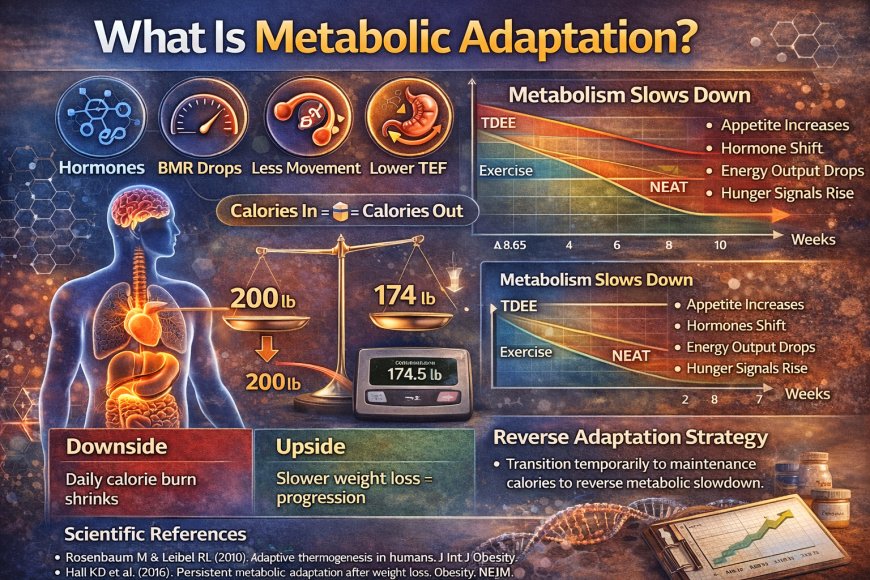
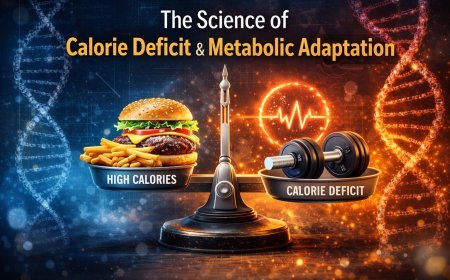
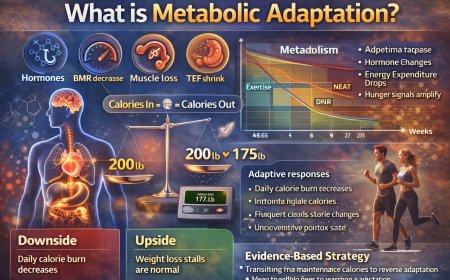
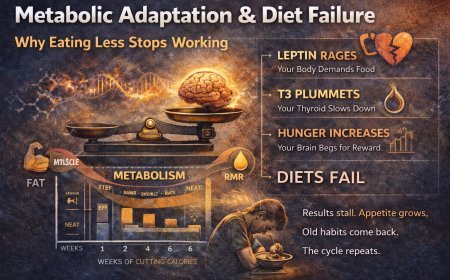
Metabolic adaptation is the physiological process where your body reduces energy expenditure during prolonged calorie restriction. This is the primary reason weight loss slows — even when calories remain controlled.
Why Metabolic Adaptation Happens
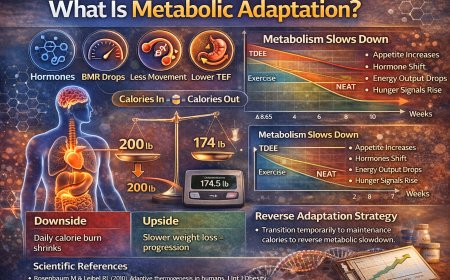
When you reduce calories, your body interprets it as a survival threat. To preserve energy, it decreases:
- Basal Metabolic Rate (BMR)
- Non-Exercise Activity Thermogenesis (NEAT)
- Thermic Effect of Food (TEF)
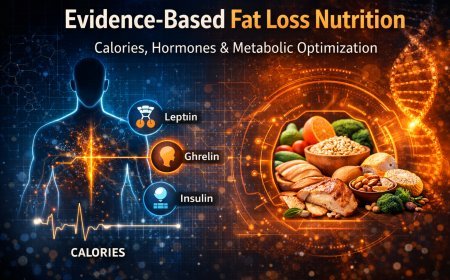
- Hormonal output (leptin decreases, ghrelin increases)
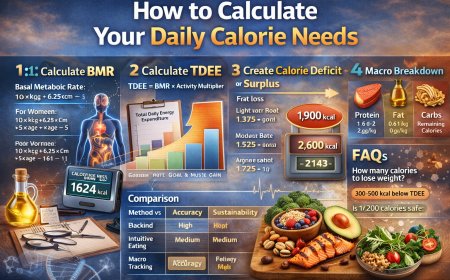
If you haven’t calculated your maintenance properly, start here: How to Calculate Your Daily Calorie Needs
The Science Behind Metabolic Slowdown
Research shows that after significant weight loss, total daily energy expenditure can drop beyond what is predicted by weight change alone. This adaptive response can persist long term.
Foundational metabolic principles: Science of Weight Loss
Signs You’re Experiencing Metabolic Adaptation
- Weight loss stalls for 3+ weeks
- Reduced spontaneous movement
- Constant fatigue
- Increased hunger signals
- Lower body temperature
Metabolic Adaptation vs Plateau
| Factor | Metabolic Adaptation | Simple Plateau |
|---|---|---|
| Hormone Changes | Yes | Minimal |
| Energy Expenditure Drop | Significant | Mild |
| Requires Strategy Change | Yes | Sometimes |
How to Reverse Metabolic Adaptation
1. Temporary Maintenance Phase
Increase calories back to maintenance for 2–6 weeks.
2. Resistance Training Priority
Muscle mass protects resting metabolic rate.
3. Avoid Extreme Deficits
Long-term aggressive dieting accelerates adaptation.
Structured nutrition approaches: Diet & Nutrition Programs
Scientific References
- Leibel RL et al. (1995). Changes in energy expenditure resulting from altered body weight. New England Journal of Medicine.
- Hall KD et al. (2016). Persistent metabolic adaptation after weight loss. Obesity Journal.
- Rosenbaum M & Leibel RL (2010). Adaptive thermogenesis in humans. International Journal of Obesity.
- Fothergill E et al. (2016). Persistent metabolic adaptation 6 years after weight loss. Obesity.
About the Author
Fitness Health eBooks Research Team specializes in evidence-based metabolic research, fat loss physiology, and sustainable diet frameworks. All educational material is aligned with peer-reviewed scientific literature.
What's Your Reaction?